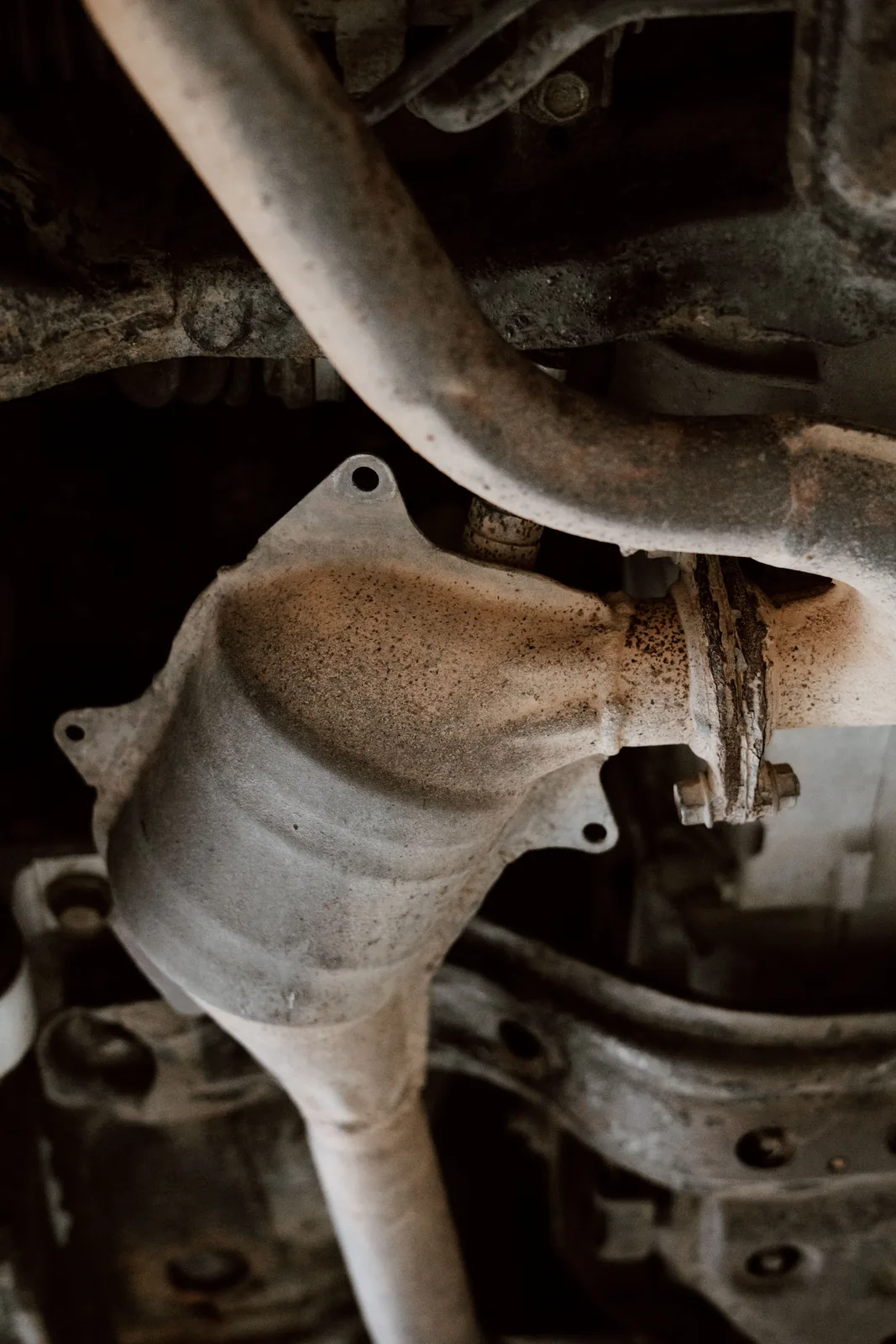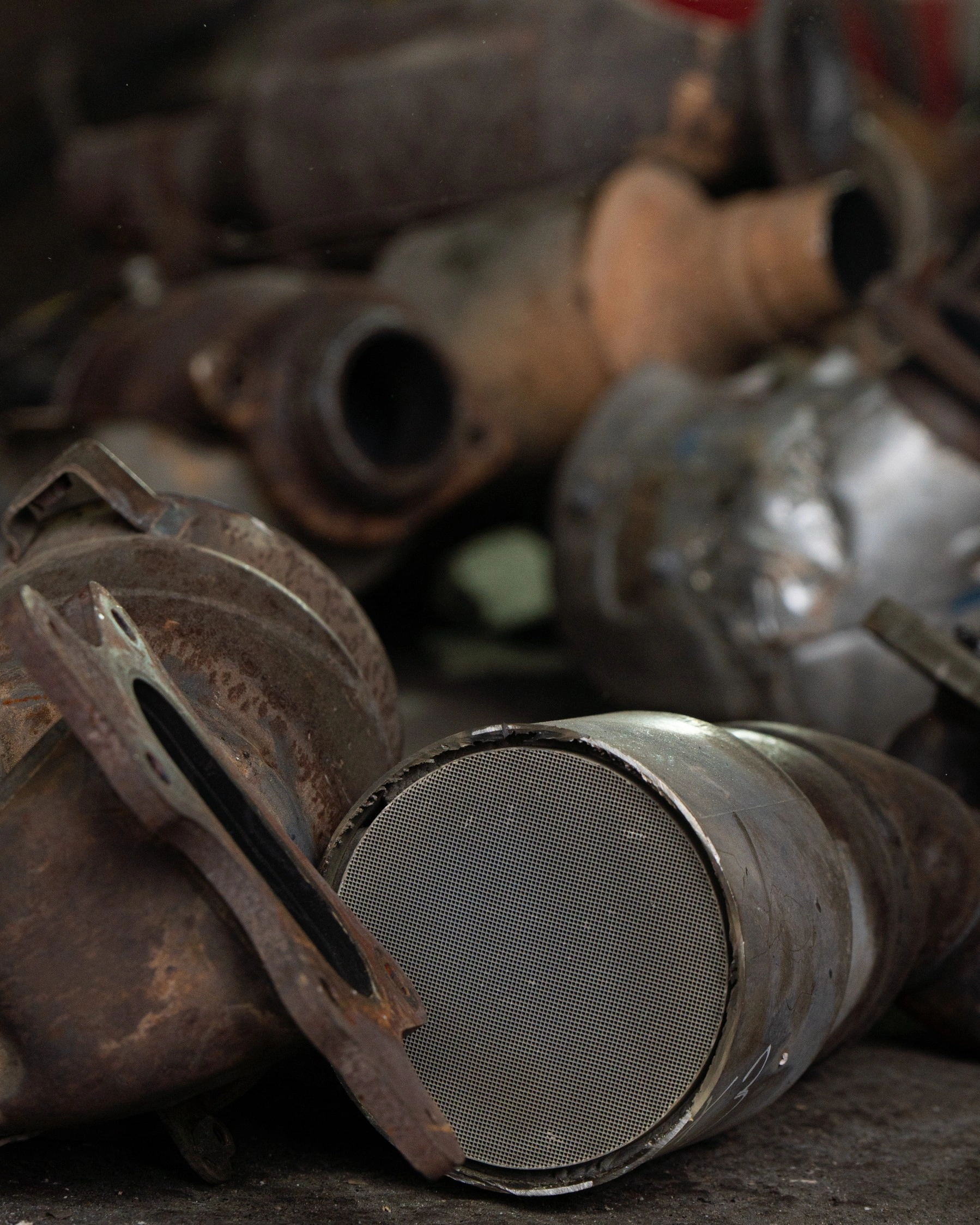
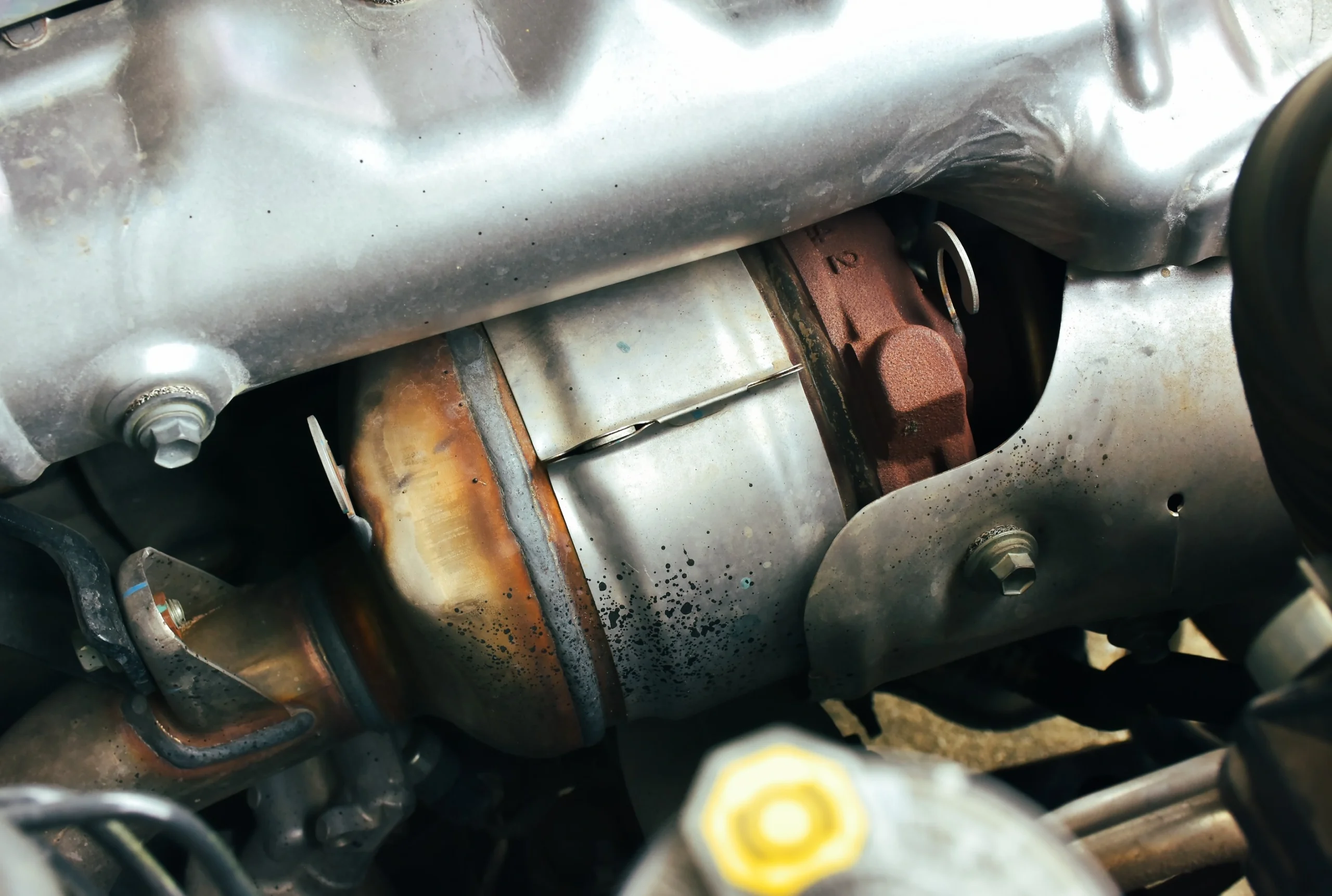

Overview: Should you sell your old catalytic converter or recycle it? This guide walks through both paths – when selling a complete, traceable unit makes sense, when recycling for metal recovery adds more value, and the documentation and compliance that protect you. Written for vehicle owners, workshops, and fleets across South Africa.
Key Takeaways
- Sell when the converter is complete, traceable, and possibly reusable; recycle when it is damaged, empty, or undocumented.
- Value lives in the platinum, palladium, and rhodium inside – not the housing – so an assay-based assessment beats any flat “instant quote”.
- Keep the unit intact and hold proof of ownership; poor documentation pushes you toward recycling for compliance.
- A catalytic converter buyer and a recycler are not either-or – some handle both pathways depending on your unit and goals.
- Fleets and workshops benefit most from batched catalytic converters recycling with scheduled pickups and clear reporting.
- South Group Recycling supports both routes across South Africa, with transparent processing and free collection for bulk lots.
What vehicle owners really want to know
Most owners ask two things: What’s the best outcome for my catalytic converter, and how quickly can I sort it out? Some want cash flow from a sale. Others want sustainable processing and compliance. The right choice depends on the converter’s condition, your timeline, and how you balance value recovery against environmental responsibility.
1) When selling is the optimal path
Selling an old catalytic converter makes sense when the unit is complete, traceable, and possibly suitable for regulated reuse. Certain markets accept used converters for re-manufacture or compliant reuse, provided there’s a documented chain of custody and the part meets standards. Programmes overseas highlight this dual pathway – resale for eligible units or material recovery for the rest – and stress VIN tracking and documentation to stay compliant. You can see how these systems are structured in this industry overview on EPA-compliant programmes for resale and scrapping (VIN tracking, paperwork, and permitted reuse are all highlighted) – see the EPA-approved recycling and resale discussion.
Selling can also be smart when you need quick settlement and the converter is intact with no missing honeycomb. Specialized buyers may pay more for specific makes or heavy-duty units. If your workshop has steady converter volumes, a repeat relationship with a reliable buyer can trim admin, pickups, and testing delays.
Signs you should consider selling
- The converter is complete, with intact shells and substrate.
- You have proof of lawful ownership and removal.
- You need fast turnaround and prefer simple logistics.
- Your unit model is popular with buyers due to higher precious metal loadings.
If you are comparing options, treat any “instant quote” with caution. Actual outcomes vary by unit, condition, and market demand. Ask how the buyer verifies material, what tests they run, and when funds clear. If the buyer offers grading, request their methodology in plain terms.
2) When recycling adds more value
Recycling shines when a converter is damaged, empty, or clearly not fit for reuse. Material recovery focuses on precious metals in the ceramic or metallic substrate – chiefly platinum, palladium, and rhodium. Refiners de-can, mill, sample, and assay the material to determine recoverable content. A well-documented, modern process reduces uncertainty and helps you understand how value is determined. For an accessible walkthrough of the steps and why they matter, see this technical explainer on how converters are recycled and how value is derived from assays: Electrochemical Recycling of Platinum Group Metals from Spent Catalytic Converters.
Recycling also aligns with sustainability goals. It decreases the need for virgin mining, lowers energy use compared with primary extraction, and supports a circular metals supply. If you run a fleet or manage a workshop, recycling your scrap consistently can reduce waste handling risks and demonstrate compliance to customers or auditors.
When recycling typically wins
- The unit is broken, gutted, or clogged beyond repair.
- Chain-of-custody records are incomplete, and resale would be non-compliant.
- You value documented, environmentally responsible processing.
- You manage many units and want predictable, batch-based processing and reporting.
3) Environmental and legal considerations that shape the decision
Regulatory rules for used emissions components are strict for good reasons. Reinstalling a non-compliant converter can jeopardise air quality. Authorities in various markets tie reuse to specific tests, tracking, and certifications, or limit it entirely. A quick rule of thumb: if you can’t document the source and condition, recycling is the safer path. For policy background on why regulators scrutinise reuse, you can read the EPA’s rationale for restricting or permitting converter reuse in certain contexts.
Environmentally, recycling has two major advantages. First, it prevents illegal dumping. Second, it recovers metals that are energy-intensive to mine. If sustainability reporting or corporate responsibility matters to your business, recycling often provides clearer documentation and chain-of-custody records compared with informal resale channels.
4) Steps to prepare a converter for sale or recycling
Whether you sell or recycle, a little prep avoids delays and disputes. Here’s a simple checklist to follow before you hand over a unit:
- Confirm lawful ownership – keep the invoice from the replacement job or a fleet maintenance work order.
- Keep the converter intact – never remove the honeycomb or cut the shell unless instructed.
- Record identification – note the vehicle VIN, mileage, and any part numbers stamped on the converter.
- Photograph the unit – capture both ends of the honeycomb, the shell, and any tags or stamps.
- Clean, don’t strip – brush off loose dirt; do not wash or contaminate the substrate.
- Package safely – bag the unit to keep dust in, and label with your reference number.
- Request documentation – if selling, ask for a receipt with your details; if recycling, ask for a weight ticket or sampling report when available.
These basics help both sides. Buyers get clarity, and recyclers can process without guesswork. If you manage multiple units, create a simple spreadsheet with VINs, dates, and photos linked in a shared folder. That small habit speeds up reconciliation later.
5) Comparing your options at a glance
| Path | Best for | Typical requirements | Pros | Watch-outs |
|---|---|---|---|---|
| Selling to a buyer | Complete, traceable units; quick settlement | Ownership proof, intact substrate, buyer grading | Fast, simple logistics; may suit high-demand models | Variable grading; legal documentation needed; reuse rules vary |
| Recycling for metal recovery | Damaged or non-reusable units; compliance-focused | Chain of custody, sampling/assay, safe packaging | Supports circular economy; detailed reporting possible | Processing time; based on recoverable content rather than unit label |
| Hold temporarily | When gathering a batch or verifying documents | Safe storage, itemised records, photos | Time to compare offers; batch efficiency | Storage risk; delayed settlement; market moves may affect timing |
Whichever path you choose, it helps to know what happens to the unit afterwards and how its value is actually established. Our complete guide to catalytic converter recycling and the process behind it covers what sits inside the housing, why converters fail, the six stages from collection to settlement, and why an assay-based assessment consistently beats a flat price per piece.
How South Group Recycling supports each pathway
South Group Recycling operates across four locations in South Africa, serving vehicle owners, workshops, and fleets. New to this? Our overview of understanding catalytic converter recycling in South Africa explains how the local process and market work. If you want a sustainability-first route, our catalytic converter recycling service focuses on transparent processing and responsible handling from collection through to metals recovery. For operations dealing with volume, we handle catalytic converters recycling in documented batches, with reporting you can share with customers or auditors. If you’re exploring a sale, our team will explain what affects a catalytic converter price quote – condition, model, and material content – and how documentation shapes eligibility. We keep the process practical and compliant, without fuss.
Need to compare reusing versus refining from a sustainability angle? Our explainer on recycling vs. mining for catalytic converters outlines how recycling saves energy and protects ecosystems while supporting economic growth, which can guide policy and procurement decisions for fleets or repair networks.
For a refresher on why it matters to keep converters in a responsible loop, our article on the crucial need for catalytic converter recycling covers emissions benefits and the logic of recovering scarce metals rather than sending them to landfill.
Choosing between “catalytic converter buyer” and “recycler” – practical tips
When searching for a catalytic converter buyer or recyclers, many people type “catalytic converter buyers near me.” That search returns a mix: collectors, dealers, and recyclers. Shortlist two or three and call each with the same details: vehicle model, converter photos, proof of ownership, and any part numbers. Ask how they handle compliance and whether they issue a receipt tied to your ID and item. If they cannot explain their process in clear language, consider moving on.
If you lean toward recycling, ask about collection logistics, safety practices for handling substrates, and how they report on recovered material. For sellers, ask if there’s a quick inspection or grading step you can attend, or whether the buyer uses standardised categories for common units.
Understanding “catalytic converter price” without the noise
Market chatter often focuses on spikes and drops. That can be misleading for an individual unit. What matters more is the condition of your converter and the real recoverable metals inside. A worn but intact OEM unit often yields more consistent outcomes than an empty shell with a premium brand name. Buyers and recyclers who sample material correctly will be upfront about variance and timelines.
If you’re comparing a catalytic converter scrap price quote with a recycling estimate, line up the terms. Are both offers based on an in-person inspection? Do they include safe collection? Are payment timelines stated? Transparency beats headline numbers every time. For other misconceptions worth clearing up, see our guide on common myths about catalytic converter recycling debunked.
Heavy-duty and fleet considerations
Heavy-duty vehicles can hold significant value, but their units are larger and logistics matter. Storing, labeling, and batching converters reduces handling costs. If you manage a fleet, schedule regular pickups to limit stock on site. Assign one person to check documentation and photos before any handover. That small step can prevent disputes a month later.
Seasonal and practical realities in South Africa
End of year and mid-winter often bring workshop backlogs. Plan ahead if you expect converter replacements during those periods. Book collections early, and ensure staff know what to photograph and how to pack units. It’s also wise to keep copies of vendor IDs and receipts in a shared folder. If you’re a small workshop, that file can be as simple as a few phone photos and a cloud backup.
A simple decision framework you can apply today
- Check condition: intact and traceable suggests selling; damaged suggests recycling.
- Check compliance: poor documentation pushes toward recycling.
- Check timing: if you need funds this week, compare two buyer offers; if sustainability and traceability matter, talk to a recycler.
- Check logistics: single unit may be a sell; batches can suit recycling with reporting.
- Decide, schedule, document: pick your partner, book pickup, file receipts and photos.
Where your keywords fit in the real world
“Catalytic converter buyers near me” helps you find local options, but still do due diligence. “Catalytic converter price” and “catalytic converter scrap price” are useful to research factors, not chase numbers. “Catalytic converter buyer” vs “recycler” isn’t either-or; some organisations can facilitate both pathways depending on your unit and goals.
If your priority is sustainable processing and compliance, use our catalytic converter scrap price page as a starting point – it connects you to a team that can explain what drives value in plain language and arrange transparent processing across our South African footprint.
Related reading for deeper context
Curious about the science and policy behind responsible reuse? The article on EPA-approved resale and recycling programmes shows how chain-of-custody and VIN tracking protect both sellers and communities. If you want the nuts and bolts of how recycling works, this primer on converter recycling steps and value calculation is a clear, practical reference.
Summary
Selling a complete, traceable unit can be quick and convenient. Recycling shines for damaged or undocumented converters and supports environmental goals. Either way, careful prep and transparent partners make the difference. South Group Recycling serves vehicle owners, workshops, and fleets across South Africa with compliant handling and clear guidance. If you’re unsure which route to take, we’ll help you compare options and manage the paperwork.
FAQ
Should I sell or recycle my catalytic converter?
If the unit is complete and you can document where it came from, selling may be straightforward. If it’s damaged or you lack documents, recycling is typically the safer, more compliant choice.
How do buyers and recyclers determine value?
Buyers often grade by model and condition. Recyclers base value on recoverable precious metal content determined through sampling and assays. Always ask how the evaluation works and what documentation you’ll receive.
What paperwork do I need?
Keep proof of ownership, a photo record, and any part numbers. For fleets or workshops, a maintenance work order is helpful. Good records reduce delays and protect you legally.
Can I ship a converter that’s been cut open?
It’s better to keep the unit intact unless a recycler asks otherwise. Removing substrate can lower value and trigger extra checks. If in doubt, ask before you cut.
Where can I get help across South Africa?
South Group Recycling supports collections and guidance across four locations. For responsible processing and clear explanations, contact our team through our service pages and we’ll walk you through the next steps.