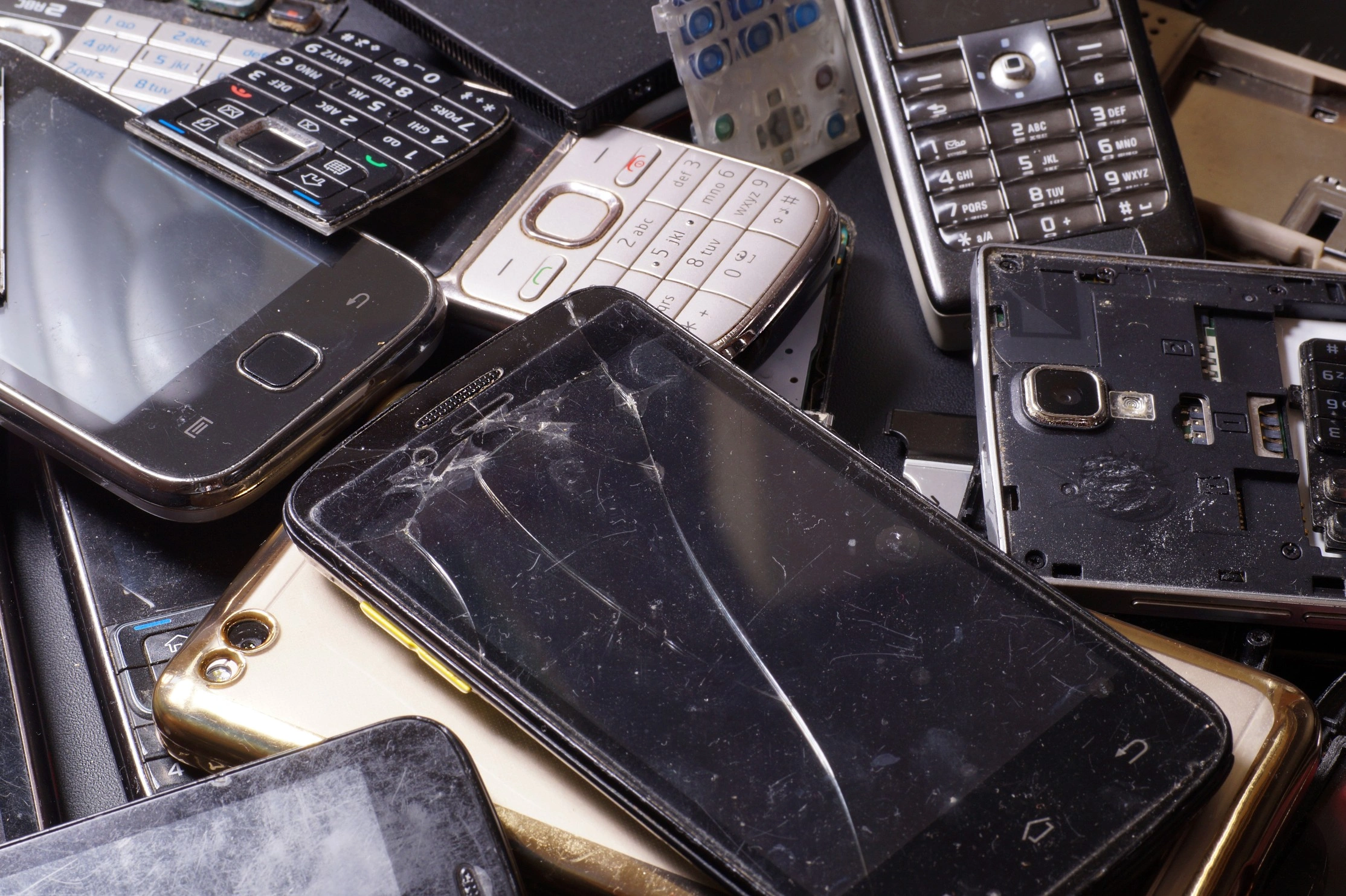


Open your desk drawer right now. Count how many old phones, chargers, and cables you find. Check your garage for broken laptops or outdated tablets. Most South African households are sitting on a hidden goldmine of forgotten electronics – devices containing valuable materials that could be recycled but instead gather dust in storage.
This phenomenon has a name: electronic hoarding. Research reveals that 51% of people keep old mobile phones at home instead of recycling them, while a staggering 49% admit they don’t recycle due to simple lack of knowledge. The e waste crisis isn’t just about what we throw away – it’s about what we keep hidden.
Globally, only 22.3% of e-waste gets properly documented and recycled, leaving 77.7% unaccounted for. Much of this “invisible” waste sits dormant in homes, offices, and storage facilities across South Africa. Understanding which devices never reach recycling centres – and why – reveals the true scope of our electronic waste challenge.
Which Devices Are We Hoarding?
Do Small Electronics Really Matter That Much?
Yes, they matter enormously. Small electronics represent the largest category of global e-waste, yet they suffer the lowest recycling rates. These innocuous household items – kettles, hair dryers, vacuum cleaners, toasters – collectively generate 20.4 million tonnes of waste annually. Only 12% of these devices ever reach recycling facilities.
The problem lies in their perceived insignificance. A 2024 United Nations report confirms that small equipment composes 33% of global e-waste but receives minimal recycling attention. People don’t think twice about tossing a broken electric shaver in the bin or leaving an old microwave in the shed.
South Group Recycling accepts all these “small” items that add up to massive environmental impact. Your forgotten electric toothbrush contains valuable copper wiring. That broken kettle holds recoverable steel and plastic. These materials deserve proper electronic recycling rather than landfill burial.
Why Do Mobile Phones Rank Fourth Among Most Hoarded Devices?
Mobile phones carry enormous sentimental and security value, making them exceptionally difficult to part with. Photos, contacts, messages – these devices store our digital lives. Even after upgrading, people hesitate to recycle old phones due to data privacy concerns.
Statistics paint a sobering picture: only 1% of produced cell phones ever get recycled. Think about that for a moment. For every 100 phones manufactured, 99 eventually end up in drawers, landfills, or informal recycling channels. Each phone contains gold, silver, palladium, and rare earth elements worth recovering.
South Africans hold onto an estimated millions of unused phones collectively. The country’s mobile internet users reached 47 million in 2022, projected to hit 58 million by 2027. This growth translates to mountains of obsolete devices waiting for proper e waste disposal channels.
The Surprising Truth About What Never Gets Recycled
| Device Category | Annual E-Waste Generated | Estimated Recycling Rate | Why They’re Hoarded/Ignored |
|---|---|---|---|
| Mobile Phones | 4.7 million tonnes globally | 1% | Data security fears, sentimental value, perceived future use |
| Small Appliances | 20.4 million tonnes globally | 12% | Viewed as insignificant, inconvenient drop-off, lack of awareness |
| Cables & Chargers | Part of 4.7MT small IT | Less than 5% | “Might need it someday,” tangled in drawers, too small to bother |
| Disposable Vapes | 42,000 tonnes (2022) | Near 0% | No standard recycling method, often just tossed in regular bins |
| Desktop Computers | Part of large equipment | 15% | Heavy/bulky, forgotten in storage, uncertainty about disposal |
What About Cables, Chargers, and Accessories?
The average household accumulates dozens of charging cables, power adapters, and electronic accessories over time. USB cables from phones you haven’t owned in five years. Chargers for devices you can’t even remember. These items pile up in “junk drawers” across the nation.
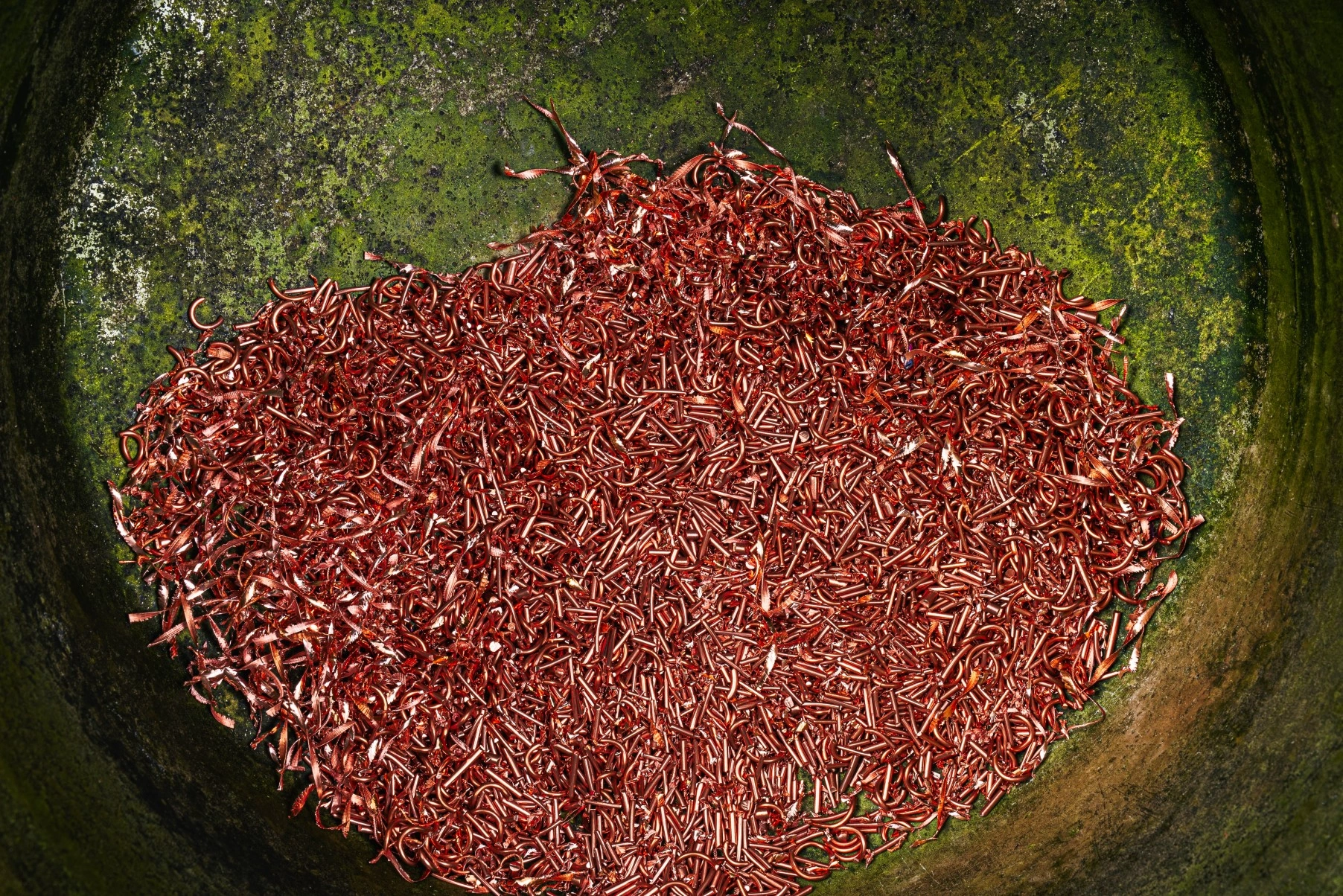
These accessories contain copper, plastic, and sometimes small circuit boards – all recyclable materials. Yet their small size and tangled chaos make them feel overwhelming to sort. People assume they’re too insignificant for recycling centres to accept.
Wrong assumption. South Group Recycling welcomes cables, chargers, and all electronic accessories. We sort them properly, extract valuable materials, and ensure hazardous components receive appropriate treatment. The cumulative impact matters more than individual item size.
Why Does E-Waste Remain Invisible?
Is Lack of Knowledge Really the Main Barrier?
Absolutely. Research confirms that 49% of people who don’t recycle cite lack of knowledge as their primary reason. They simply don’t know what qualifies as e-waste, where to take it, or why recycling matters.
Many South Africans learned about recycling paper, plastic, and glass in school. E waste recycling near me wasn’t part of that curriculum. The result? Perfectly recyclable electronics end up in general waste bins or storage indefinitely.
Additional barriers compound the knowledge gap. Storage space allows people to postpone decisions. Busy schedules make recycling trips feel inconvenient. Uncertainty about data security prevents phone recycling. These factors combine to keep valuable materials locked away from recovery systems.
How Do Bulky Items Create Different Challenges?
Larger appliances face paradoxical recycling rates. Washing machines, refrigerators, and dishwashers actually achieve higher collection rates than smaller devices. Why? Suppliers often collect old units when delivering replacements, removing the burden from consumers.
However, mid-sized electronics – desktop computers, printers, old monitors – fall into a difficult middle ground. They’re too large for convenient transport but don’t trigger automatic supplier collection. These devices languish in garages and spare rooms, forgotten until moving day forces disposal decisions.
South Group Recycling solves this challenge with collection services for bulky items. We come to you, removing the transportation barrier that keeps larger electronics trapped in storage. No vehicle needed, no physical strain required. Professional electronic recycling should be accessible regardless of device size or your transportation situation.
The Emerging Invisible Waste: Disposable Electronics
Why Are Disposable Vapes an E-Waste Nightmare?
The vape market exploded with 844 million units sold in 2022 alone. These disposable devices contain lithium-ion batteries, heating elements, circuit boards, and plastic casings. They’re designed for single use, becoming instant waste.
According to the International Telecommunication Union, vapes produced in 2022 contained approximately 130,000 kg of lithium in batteries. That’s critical material thrown away after days or weeks of use.
Currently, no standardized legal recycling method exists for disposable vapes. Users toss them in regular bins, where lithium batteries pose fire risks in waste facilities. The environmental cost of convenience grows exponentially as the market expands 31% annually through 2030.
What Other “Smart” Devices Never Get Recycled?
Internet-connected toothbrushes. WiFi-enabled kitchen scales. Smart toilet bowl trackers. The proliferation of unnecessary “smart” products creates mountains of complex e-waste. These devices combine traditional materials with circuit boards, sensors, and wireless components – making recycling more complicated.
When these novelty items break or lose software support, they become useless. Most people don’t realize they qualify as e-waste requiring specialized handling. The devices end up in general waste streams, mixing valuable materials with other trash and complicating sorting processes.
The Health and Environmental Cost of Invisible Waste
Devices sitting in storage don’t immediately harm the environment, but their existence perpetuates damaging cycles. Manufacturing replacements when old devices could be refurbished wastes resources. Hoarded electronics eventually reach end-of-life, often disposed of improperly in household emergencies or moves.
The informal sector bears significant health risks from this invisible waste. When devices finally surface, they often flow through informal recycling channels where workers lack protective equipment. Exposure to mercury, lead, and brominated flame retardants causes severe health consequences, particularly for pregnant women and children.
Proper recycling prevents these scenarios. When you bring dormant devices to certified facilities like South Group Recycling, we handle them safely from collection through processing. Your forgotten laptop gets dismantled by trained professionals using appropriate safety measures.
Breaking the Cycle of Electronic Hoarding
What Simple Steps Can Stop E-Waste Hoarding?
Changing behaviour requires addressing root causes. Data security concerns? We provide certified data destruction services. Transportation barriers? We offer collection services. Uncertainty about what qualifies? Everything with a plug or battery counts.
Start with a home audit. Dedicate 30 minutes to gathering every unused electronic device in your household. Check drawers, cabinets, garages, and storage rooms. Sort items into three categories: working devices you’ll genuinely use, working devices you won’t use, and broken/non-functional electronics.
Where Should Your Unused Devices Go?
Working devices you won’t use can be sold, donated, or traded. South Group Recycling often offers compensation for devices containing valuable materials.
Broken or obsolete items belong in proper recycling streams where we extract maximum material value while neutralizing environmental hazards. Simply search for e waste recycling near me and you’ll find our convenient locations across South Africa ready to help.
Making the Invisible Visible
Why Does Hidden E-Waste Matter?
The invisible e-waste problem persists because of what we don’t see. Precious metals remain locked in drawer-bound phones, hidden from view. The environmental cost of manufacturing replacements for hoardable devices escapes our notice. Informal workers risking health to extract value from improperly disposed electronics operate in shadows.
Visibility begins with awareness and transforms into action. Every South African household harbours recyclable electronics waiting for proper channels. These devices don’t need to remain invisible. They belong in recovery systems designed to extract maximum value while minimizing environmental harm.
How Can You Transform Hidden Waste Into Action?
South Group Recycling exists to bridge the gap between invisible waste and visible solutions. We make recycling convenient, secure, and rewarding. Your forgotten electronics hold untapped potential – materials that could power new devices, reduce mining impacts, and demonstrate our commitment to sustainable resource management.
The devices gathering dust in your home won’t recycle themselves. They need your decision to act. Gather your hidden electronics, contact South Group Recycling, and transform invisible waste into visible environmental progress.
The solution to South Africa’s e-waste challenge starts with the devices you’ve been meaning to deal with “someday.” Make today that day.
FAQ
Why do people keep old electronics instead of recycling them?
People hoard electronics for several interconnected reasons. Data security fears top the list – 43% worry about personal information on old devices. Sentimental attachment plays a role, especially with phones containing photos and memories. Many believe they’ll need the device “someday” or plan to sell it later but never follow through. Lack of knowledge about recycling options and inconvenient drop-off locations also contribute. South Group Recycling addresses these concerns with data destruction services, convenient collection, and education about proper disposal.
What should I do with tangled cables and old chargers?
Don’t throw tangled cables and chargers in your regular bin! These items contain valuable copper wiring and recyclable plastics. Gather all your old cables, adapters, and charging accessories into a bag or box. South Group Recycling accepts these items at all our centres – you don’t need to untangle or organize them first. We handle the sorting process and ensure materials get properly recovered. Even if you can’t identify which device they belonged to, bring them anyway.