
Introduction: Replacing a catalytic converter is rarely a small expense. According to AAA Automotive, the bill can run high once parts and labour are added. That is why simple prevention matters. If you already follow the catalytic converter price, you know that spending a little on security, parking habits, and early checks can save far more later. This guide gives you nine practical steps South African drivers can use in 2026 to lower theft risk and spot damage before it turns into a full replacement.
Key Takeaways
- Park in a locked, visible area whenever you can.
- Use an anti-theft shield, clamp, or cage if your car is at higher risk.
- Choose parking positions that make under-car access harder.
- Mark your converter so resale is less attractive to thieves.
- Do not ignore early warning signs from the exhaust or engine.
- Cleaning is not a fix for every converter problem.
- If the unit is beyond repair, recycle it through a trusted specialist.
Why protecting your catalytic converter matters
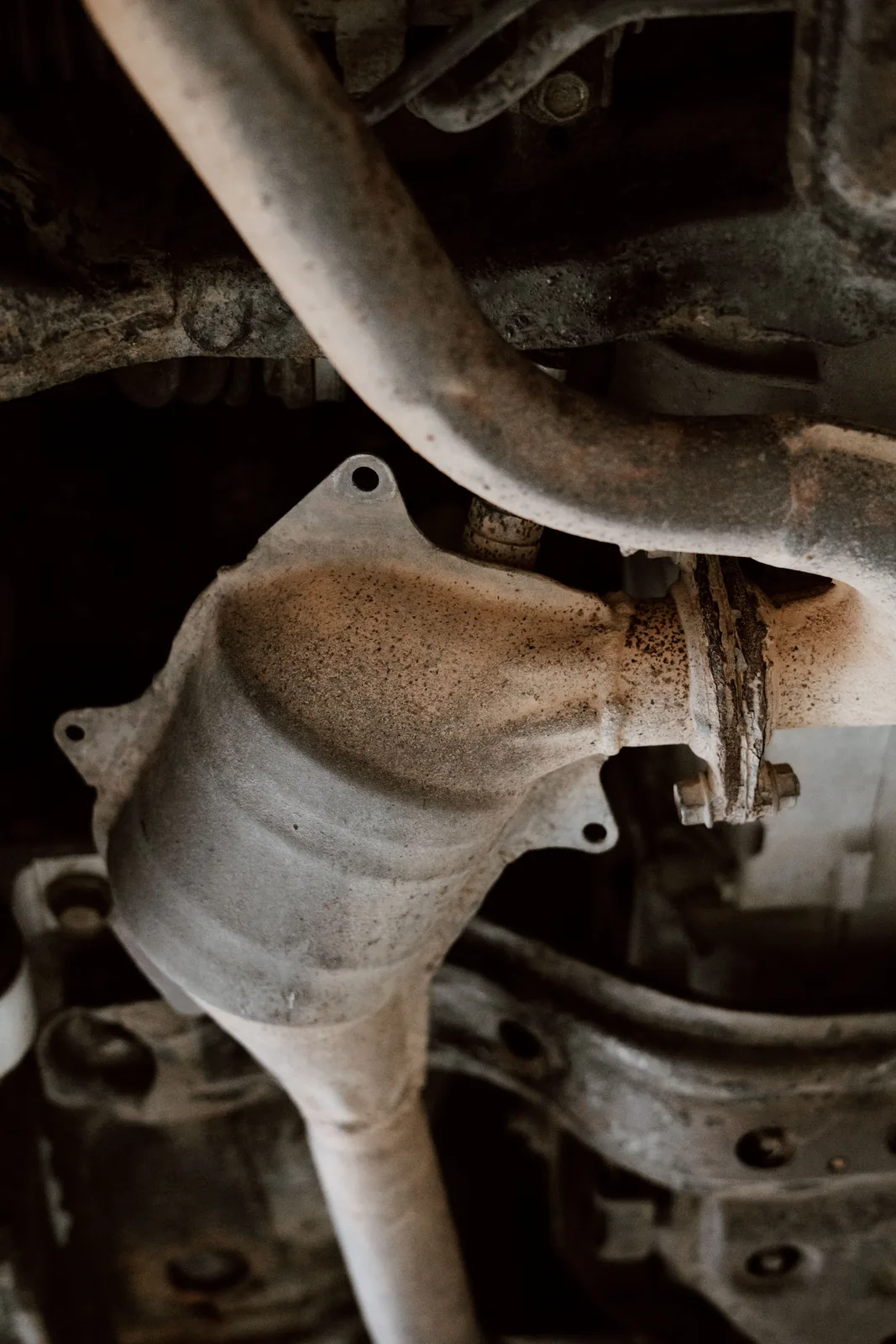
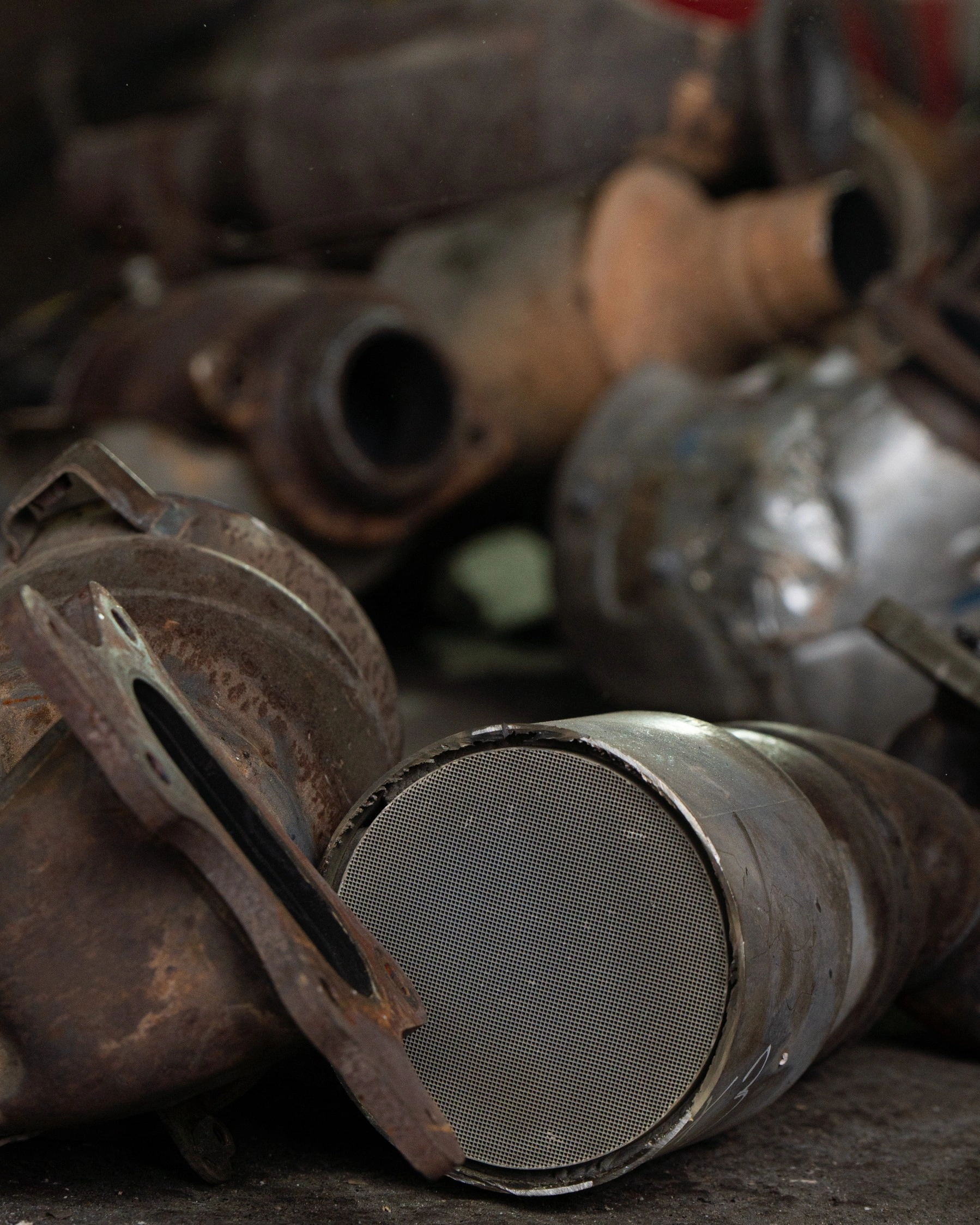
A catalytic converter does an important job. It helps reduce harmful exhaust emissions, which is why keeping it in good condition matters for both your vehicle and the air around you. It also contains valuable metals, which is one reason it can attract thieves and why damaged units still have recycling value.
The real cost of doing nothing
Most drivers underestimate what a stolen or failed converter actually costs. Beyond parts and labour, there are tow fees, rental cars, lost workdays, and in some cases insurance excess payments. When you add those together, even a R2,000 anti-theft cage starts to look like an obvious investment.
If you want a better feel for changing values over time, this guide on staying updated on catalytic converter and scrap prices in South Africa is useful background. It helps explain why prevention is often cheaper than replacement.
Can parking habits really reduce theft?
Yes. Parking choice is one of the cheapest ways to lower risk. A thief wants speed, cover, and easy access under the car. Good parking takes away at least one of those advantages.
Advice published by the National Insurance Crime Bureau supports simple steps such as using a garage, choosing well-lit areas, and parking where the converter is harder to reach.
What thieves actually look for
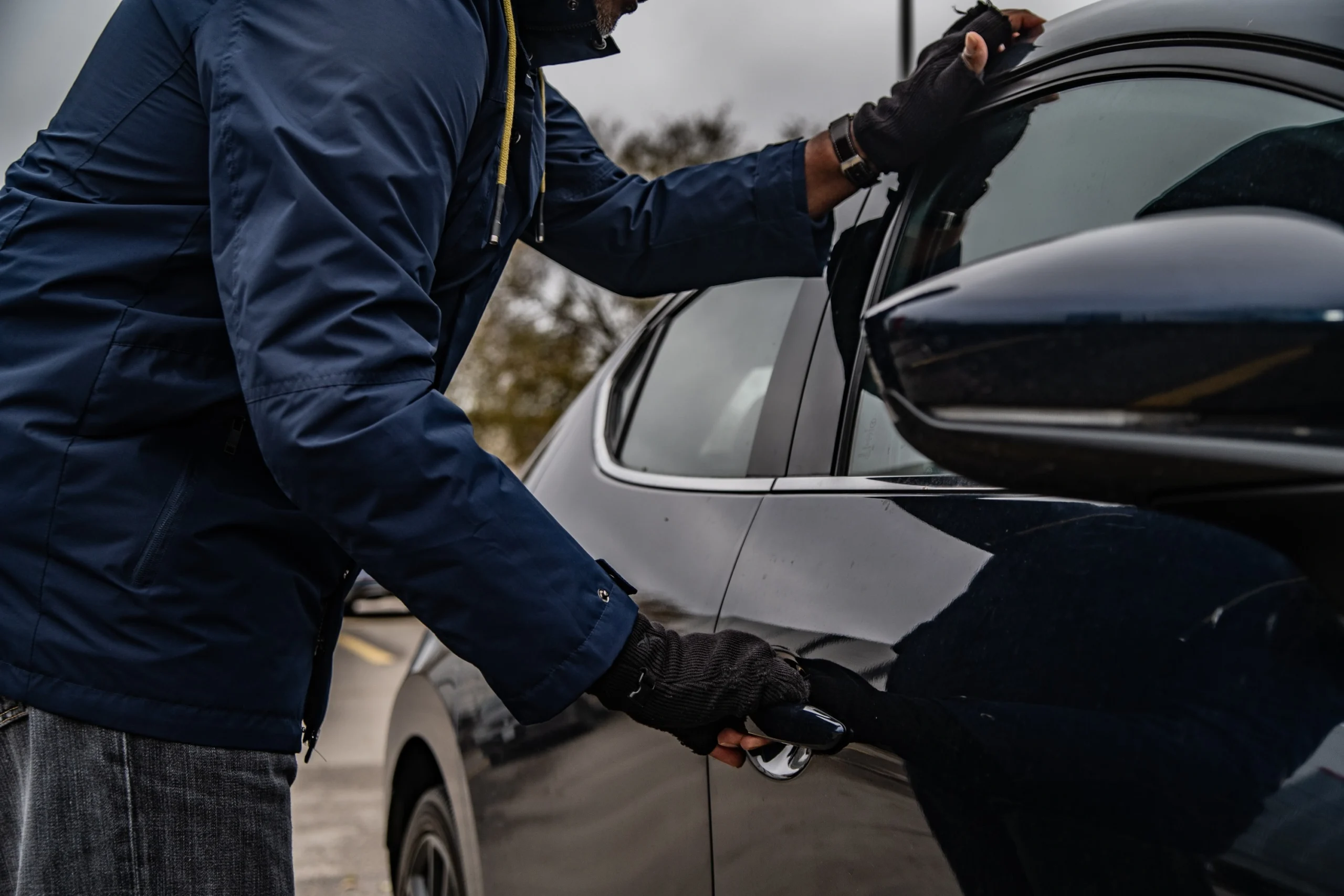
Speed is the priority. Most catalytic converter thefts take between 90 seconds and four minutes. Thieves look for high ground clearance, low foot traffic, poor lighting, and no alarm reaction. Removing even one of those conditions from the picture can be enough to make them move on.
9 practical steps that cost less than a replacement
1. Park in a locked garage when possible
This is still the strongest low-cost step. A closed garage adds time, noise, and visibility problems for a thief. Even a shared secure garage is better than open street parking overnight.
2. If you park outside, choose light and foot traffic
Busy areas help. Pick a space close to entrances, security staff, or regular pedestrian flow. Avoid dark corners, rear rows, and places where someone can work under your car without being seen.
3. Use your parking position to limit under-car access
Small positioning changes can help. If your vehicle sits high off the ground, make access harder. Park close to a wall where practical, or use a layout that limits space beside or beneath the centre section of the vehicle. The goal is simple: make a fast cut-and-run theft less convenient.
4. Fit an anti-theft device
A shield, cage, clamp, or hardened cable system adds a real barrier. It will not make theft impossible, but it can make your vehicle less attractive than the one parked next to it. For many owners, this is the clearest one-time spend that beats replacement pain later. For a quick visual overview, this video on 3 ways to prevent catalytic converter theft is worth a watch.
5. Adjust your alarm settings if your vehicle allows it
Some systems can react to vibration, tilt, or impact. If your vehicle has those options, use them. A siren that goes off during cutting or lifting can be enough to stop the attempt.
6. Mark the converter with identifying details
VIN marking or other traceable identification can make illegal resale harder. It also shows that the owner has thought about theft, which can be enough to send a thief elsewhere.
7. Fix engine and exhaust problems early
Protection is not only about theft. Heat, fuel issues, and long-term neglect can also ruin a converter. If you suspect a clogged catalytic converter or any kind of catalytic converter fault, book an inspection early. Delaying the check often turns a smaller problem into a dead unit.
8. Pay attention to early symptoms
Many drivers wait too long. If you notice reduced power, poor running, warning lights, or what people often describe as the signs of a bad catalytic converter, do not just keep driving and hope it clears up. The same goes for a strange rattle or harsh note that sounds like a bad catalytic converter sound. Catching the issue early gives you more choices.
9. Do not treat cleaning as a cure-all
Searches for how to clean a catalytic converter are common, but cleaning only helps in limited cases. It will not repair a cracked, melted, stolen, or badly contaminated unit. Use cleaning only after a proper diagnosis. If the part is physically damaged, the smart move is repair or replacement followed by responsible recycling of the old converter.
Table showing which low-cost steps help most
| Protection step | Main risk addressed | Typical effort | Why it works |
|---|---|---|---|
| Locked garage parking | Theft | Low | Removes easy access and adds visibility risk for thieves |
| Well-lit, busy parking spots | Theft | Low | Makes fast under-car work harder to hide |
| Parking position that limits access | Theft | Low | Reduces the space available for tools and movement |
| Anti-theft shield or cage | Theft | Moderate | Adds time and noise, which many thieves want to avoid |
| Alarm sensitivity settings | Theft | Low | Can interrupt cutting or lifting early |
| VIN or ID marking | Theft and illegal resale | Low | Makes the part easier to trace and less attractive to resell |
| Early mechanical checks | Damage and failure | Low to moderate | Stops heat or fuel issues from ruining the converter |
| Acting on warning signs | Damage and failure | Low | Gives you time before the unit fails completely |
| Professional diagnosis before cleaning | Wrong repair choice | Low | Prevents wasting money on a fix that will not work |
Warning signs your catalytic converter may already be failing
Symptoms that show up early
Catching a failing converter at the first sign is far cheaper than waiting for a full breakdown. These are the early indicators worth acting on immediately.
| Warning sign | What it likely means | Urgency |
|---|---|---|
| Check engine light with O2 sensor codes | Converter efficiency dropping below threshold | High — book a diagnostic within the week |
| Rattling noise when starting or accelerating | Internal substrate has broken loose | High — driving further causes more damage |
| Sulphur or rotten egg smell from exhaust | Converter not processing hydrogen sulphide properly | Medium — could indicate contamination or failure |
| Noticeably reduced engine power | Converter may be clogged and restricting exhaust flow | Medium to high — affects performance and fuel use |
| Failed emissions test | Converter no longer reducing pollutants effectively | High — legal requirement to resolve before roadworthy |
| Black soot around exhaust tip | Unburned fuel passing through — converter overwhelmed | Medium — often paired with other symptoms |
| Fuel consumption suddenly worsening | Back pressure from a blocked converter forcing engine to work harder | Medium — easy to miss without a comparison baseline |
Why you should not ignore the rattle
A loose internal substrate is one of the most commonly ignored symptoms. It sounds like a shake or knock when the engine is cold, then sometimes quiets down as the vehicle warms up. Drivers often assume it is something else. It is not. Once the substrate begins to break apart, fragments can block exhaust flow or damage downstream components. Acting on the rattle early is almost always cheaper than the repair bill that follows if you do not.
What vehicles need extra attention?
Vehicles with more ground clearance usually give easier access underneath. That includes many bakkies, SUVs, and fleet vehicles. Cars parked overnight in open areas also face more risk than cars kept behind gates or indoors.
That does not mean smaller cars are safe by default. It means your protection plan should match your parking routine, your vehicle shape, and how long the car sits unattended.
Fleet and business vehicle considerations
If you manage a company fleet, the exposure is multiplied. Vehicles that sit on open yards overnight, travel long distances on rough roads, or run with deferred maintenance all carry higher converter risk. A basic inspection protocol added to your fleet servicing schedule can catch problems before they ground a vehicle.
Should you track values before you decide what to spend?
Yes. Knowing the market helps you judge whether a small preventive cost makes sense for your vehicle. Many owners compare repair risk with catalytic converter prices in South Africa before choosing a shield, better parking setup, or a workshop inspection. You do not need exact daily figures to make a smart choice. You just need to know that replacement is rarely cheap.
How often should you inspect the converter area?
Check it any time you hear a new exhaust noise, see a warning light, or notice the car feels weaker than normal. A quick visual look after parking incidents, scraping, or attempted theft is also wise. You are looking for fresh cuts, hanging heat shields, unusual soot, loose brackets, or anything that seems out of place.
If you manage more than one vehicle, use a simple routine. Add converter checks to normal servicing and ask drivers to report noise changes early. A short checklist beats a surprise replacement.
What if theft or damage has already happened?
Act fast. If the converter has been stolen, photograph the damage, report the incident, and get the vehicle assessed before driving it far. If the unit is still there but no longer working well, ask for a proper diagnosis before anyone suggests cleaning, replacing sensors, or swapping the whole exhaust.
It also helps to understand what comes next if the unit cannot be saved. This step-by-step guide to how catalytic converter recycling works gives a clear overview of the process and what responsible handling looks like.
When is repair no longer worth it?
If the converter has been cut out, cracked, melted internally, or badly contaminated, repair options shrink fast. At that point, spending more money on temporary fixes can be frustrating. The smarter move is to confirm the fault, replace what must be replaced, and then plan proper disposal of the old unit.
If the converter is broken beyond repair, catalytic converter recycling with South Group Recycling is the sensible next step. It keeps the material in a proper recovery stream and avoids the mess that comes with informal disposal.
Summary
Protecting your catalytic converter does not need a big budget. Start with parking habits, add a physical barrier if your vehicle is exposed, mark the unit, and react early to warning signs. Those steps are practical, low-stress, and usually far cheaper than dealing with a full replacement. If the converter is already damaged beyond repair, South Group Recycling can help you handle the recycling side properly in South Africa.
FAQ
Is a catalytic converter shield worth it?
For vehicles parked outside often, yes. A shield or cage adds time and noise to theft attempts, which can be enough to make a thief move on.
Can I prevent theft without buying hardware?
Yes, at least partly. A garage, well-lit parking, smart vehicle positioning, and marked identification all lower risk. Hardware simply adds another layer.
Will cleaning fix every converter problem?
No. Cleaning may help only in limited cases. It will not repair physical damage, theft damage, or severe internal failure. Diagnosis should come first.
What should I do if I hear a new exhaust rattle?
Get the car checked soon. New noises can point to converter trouble, loose shielding, or exhaust damage. Early inspection often saves money.
What is the best next step if my converter is beyond repair?
Replace what your vehicle needs, keep records of the diagnosis, and recycle the old unit through a trusted specialist such as South Group Recycling.