

Key Takeaways
- Critical minerals work is not limited to mines.
- Recycling jobs now need better sorting and material knowledge.
- E-waste and catalytic converters are strong training grounds.
- Quality control and record keeping matter more than ever.
- Recycling can be a practical entry route into strategic materials work.
- South African employers can train around current scrap streams now.
Why are critical minerals changing recycling jobs in South Africa?
Because many of the materials linked to growth, electronics, and industrial supply already appear in scrap streams that recyclers handle every day. That shift matters for hiring. According to the South African Government’s statement on the Critical Minerals and Metals Strategy, the country has approved a critical minerals and metals strategy and a draft mineral resources development bill. When policy starts treating these materials as strategic, the skills around recovery, sorting, handling, and movement become more valuable too. This does not mean every recycler turns into a miner. It means the distance between mining, processing, recovery, and trade is getting shorter. A worker who knows how to separate a high-value stream from mixed scrap is no longer doing “just scrap work.” That worker is helping protect supply, reduce waste, and support local processing.What counts as critical mineral work in a recycling yard?
It means handling scrap streams that contain valuable industrial metals and managing them with care. In practical terms, that can include copper cable, e-waste with tin and tantalum, and catalytic converters with platinum group metals. These materials are not only found in remote extraction sites. They also move through workshops, depots, transport hubs, and recovery facilities in South African cities.Which recycling jobs are gaining importance?
The jobs rising in value are the ones closest to material quality, clean separation, and accurate records. Collection still matters. So does loading, transport, and storage. However, employers now need more from each step. They want staff who can recognise material classes, reduce contamination, label correctly, and pass on clear information to buyers or processors. That is why the old line between “manual work” and “technical work” is fading.Table: Common recycling roles and the skills they share with critical mineral work
| Role | Main task | Skill that matters now | Why it matters |
|---|---|---|---|
| Yard sorter | Separate mixed scrap | Material recognition | Clean sorting protects recovery value |
| E-waste disassembly worker | Break down devices safely | Attention to detail | Better separation improves downstream recovery |
| Catalytic converter intake staff | Receive and identify units | Inspection and handling discipline | Accurate intake supports correct routing |
| Weighbridge or admin clerk | Record loads and movement | Clear documentation | Reliable records support traceability and sales |
| Buyer or procurement assistant | Assess incoming material | Commercial judgement | Quality decisions affect margin and trust |
| Dispatch or stock controller | Store and move lots | Lot control | Mixing or mislabelling can lower value quickly |
Why do simple yard jobs now need more skill?
Because small mistakes can lower recovery, raise risk, and reduce what a load is worth. A mixed container with poor separation can waste time, cut quality, and create safety issues. A mislabeled pallet can slow the next step. A dirty stream can damage trust with buyers. None of those issues feel dramatic in the moment, yet they shape the outcome of the whole job. That is why recycling jobs in critical minerals are becoming more precise, even when the setting still looks rough and practical.How do e-waste and catalytic converters fit into this shift?
Material → Mineral → Market
How scrap streams in South African yards become tradeable critical minerals.
| Material in the yard | Critical mineral | End market |
|---|---|---|
| Smartphones, laptops, circuit boards | Tantalum, Tin | Capacitors, semiconductors, electronics manufacturing |
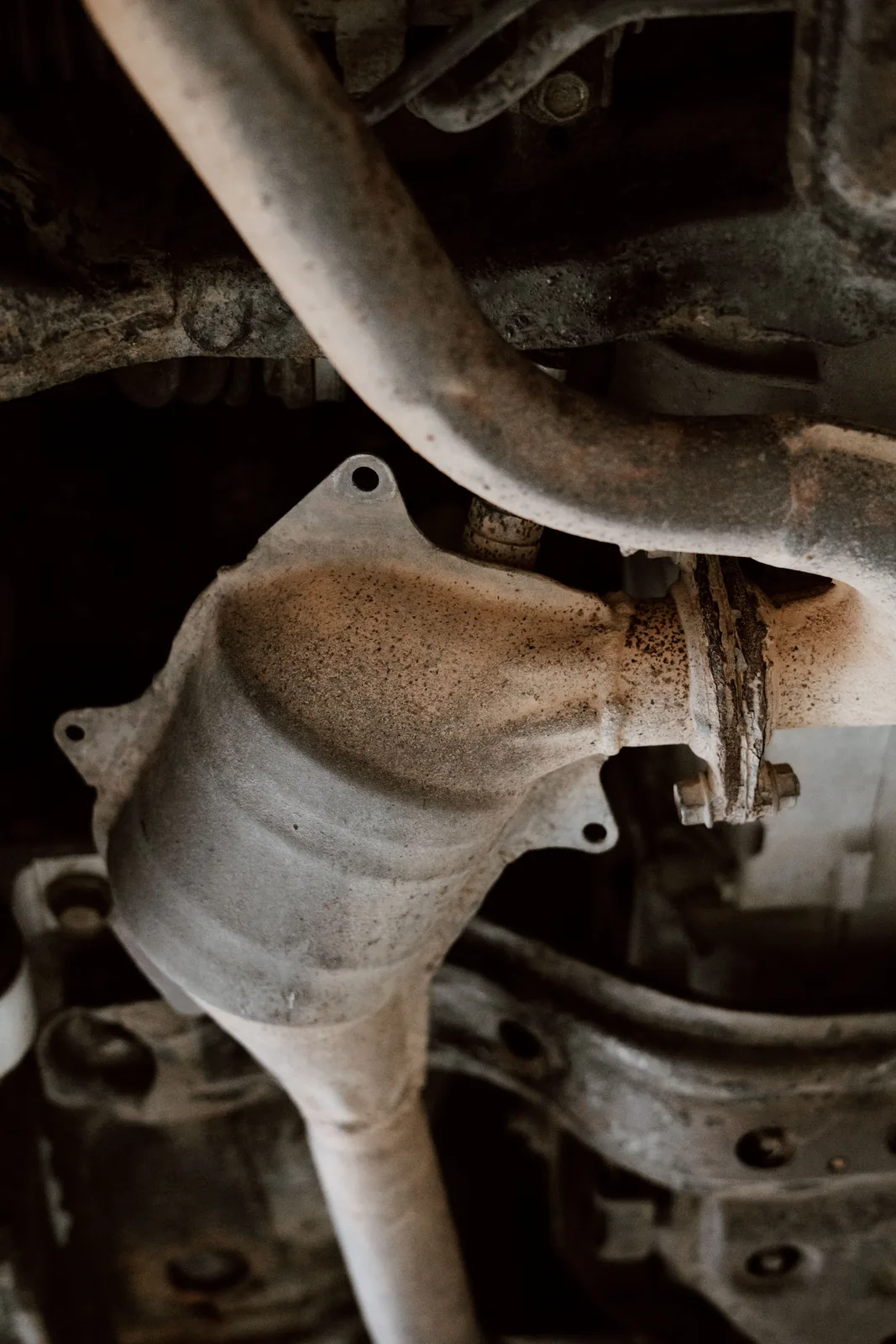
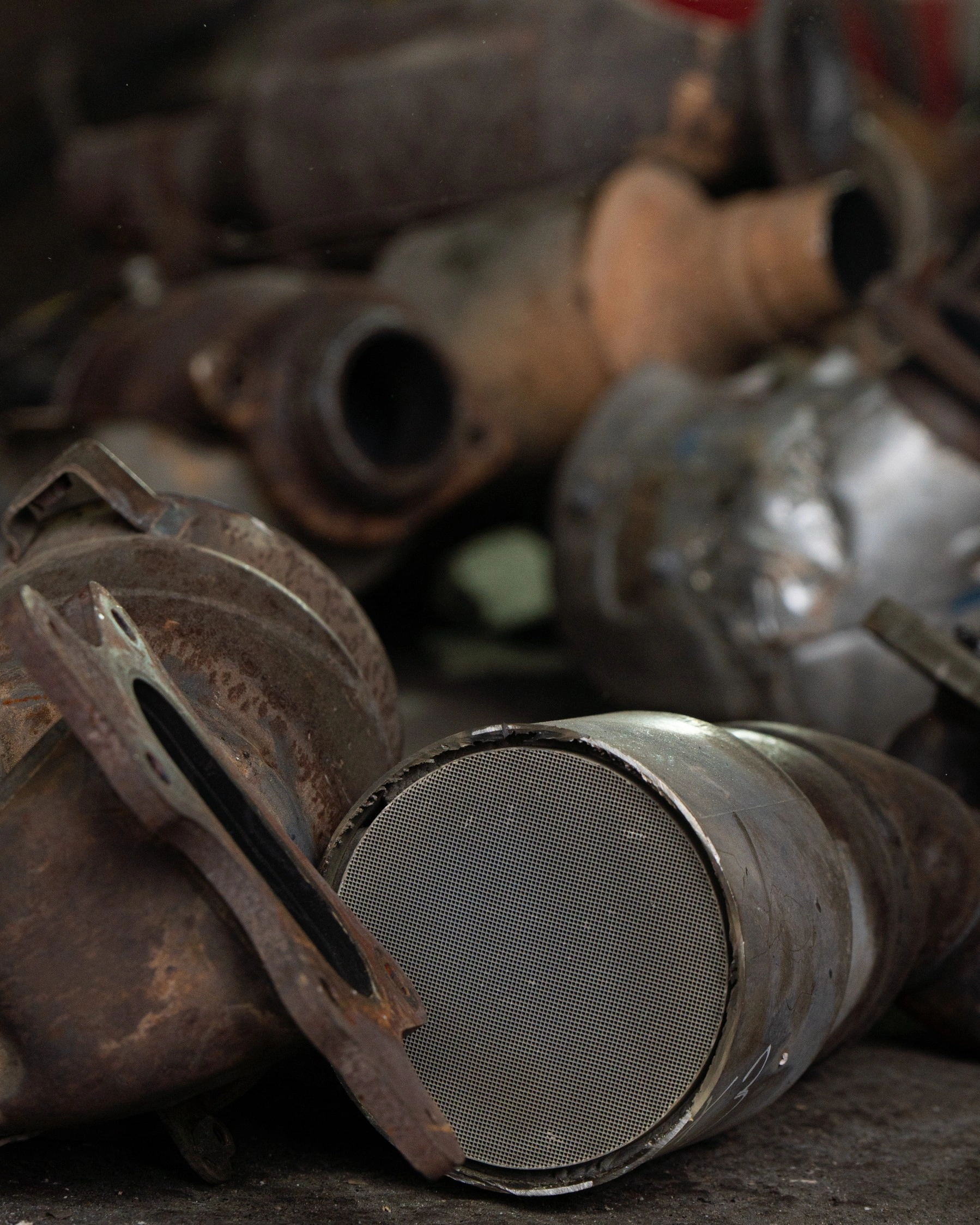
| Catalytic converters from end-of-life vehicles | Platinum, Palladium, Rhodium | Auto emissions control, hydrogen fuel cells |
| Copper cable, wiring, electrical scrap | Copper | Power grid, EV infrastructure, renewable energy |
| Industrial off-cuts, steel scrap, mining residues | Niobium, Beryllium | EV batteries, aerospace, defence applications |
What skills do these streams teach workers quickly?
They teach material awareness, process discipline, and careful handling. Someone who learns to sort boards, wires, batteries, and mixed electronics builds habits that transfer well to wider recovery work. The same is true in catalytic converter operations, where staff need to identify units, handle stock consistently, and avoid mix-ups. These are the kinds of skills that make a worker more useful across the whole yard, not just at one station.What does a skills-first approach look like on the ground?
It looks practical, direct, and tied to live material. Most teams do not need long theory blocks first. They need clear rules, repeatable routines, and training linked to real loads. A short lesson on contamination, for example, works best when workers can see two piles side by side and understand why one pile is easier to move or recover than the other.Which skills matter most for recycling jobs tied to strategic materials?
The top skills are identification, separation, safe handling, recording, and quality control.- Spot useful material in a mixed stream
- Separate by type, grade, or contamination level
- Label and record loads clearly
- Store lots so they stay clean and easy to trace
- Handle risky parts in a safe, calm way
- Communicate well between yard, admin, and buyer
How can employers train without slowing the whole operation?
They can train in short sessions built around normal work. Five to ten minutes before a shift can be enough for one focused lesson. Show workers a common mistake. Explain the impact. Ask them to correct it on the next load. That kind of training is easy to repeat and easy to measure. Over time, it builds stronger habits than a once-off presentation that never reaches the yard floor again.Do workers need formal mining credentials to enter this field?
No. Many people can enter through hands-on recycling work and build from there. People often start with simple searches such as what are rare earth minerals or look for basic examples of minerals. That is a fair starting point. In daily recycling work, though, employers usually care first about practical ability. Can the worker identify mixed scrap? Can they keep lots clean? Can they follow a process, record a load, and ask the right question when something looks off? There is also a lot of confusion around rare earth minerals. For many South African recyclers, the immediate training need is not advanced theory on every mineral group. It is better control of the materials already showing up in urban operations, including copper, tin, tantalum, and platinum group metal-bearing scrap. Basic competence with these streams can open more doors than broad but shallow knowledge.Why does the trading side matter as much as the yard side?
Because material only creates value when someone can identify it clearly and move it through the right commercial channel. A strong recovery team can still lose money if stock is mixed, poorly described, or badly recorded. That is where commercial skill comes in. A reliable mineral trading company needs people who understand quality, consistency, and communication just as much as physical handling. Workers who learn those habits early can move from intake and sorting into stock control, buying support, or trader support roles over time. This is one reason the sector is changing. Recycling no longer stops at collection. It now includes more judgement about grades, movement, and downstream use. Workers who understand that full picture become more valuable very quickly.How do mining and recycling careers compare?
They are different paths, but they share more core skills than many people assume. Mining starts with extraction. Recycling starts with recovery from products, equipment, and scrap. Both depend on material knowledge, safe systems, process discipline, and clear records. For many job seekers, recycling can be the more accessible first step because it places them close to real materials and real commercial decisions without requiring a mine-site role from day one.Table: How mining and recycling career paths differ and overlap
| Topic | Mining path | Recycling path | Shared skill |
|---|---|---|---|
| Material source | Ore from extraction | Scrap, e-waste, industrial discards | Material understanding |
| Work setting | Mine and processing site | Urban yards, plants, depots, workshops | Safety discipline |
| Entry route | Site-specific hiring or training | Yard, sorting, dismantling, intake roles | Hands-on learning |
| Main early challenge | Extraction and process control | Separation and contamination control | Attention to detail |
| Commercial link | Often less visible to entry staff | Often visible early in the process | Record keeping |
| Career growth | Operations, plant, geology, logistics | Quality, procurement, trade, plant support | Team communication |
Why can recycling be a strong starting point for young workers?
Because it gives fast exposure to materials, quality decisions, and real output. In a good recycling operation, the feedback loop is short. Workers can see what happens when a load is clean, when a lot is mixed, or when a handover is sloppy. That speed helps people learn faster. It also makes recycling a smart route for those interested in critical minerals jobs in South Africa but who want a more direct path into work.Why is this shift especially relevant in South African cities?
Because many useful material streams already move through urban business activity every day. Vehicles age. Electronics fail. Cable gets replaced. Factories generate off-cuts. Workshops create mixed scrap. All of that creates steady material flow outside mine gates. That makes recycling a city-level workforce issue as much as a mining issue. It also means skills for mineral recycling can be built close to transport routes, repair networks, warehouses, and local buyers.What should employers in South African recycling focus on first?
They should start with the scrap streams they already handle most often. A simple skills map works well. List the top materials entering the yard. Mark where losses happen. Then train the team around those points. If mixed non-ferrous scrap keeps getting contaminated, fix that first. If intake records are weak, fix that next. If certain loads always slow dispatch, build a clearer sorting rule. Small fixes often create visible gains fast.How can workers prepare for the next wave of job demand?
They should build visible, practical skills before they chase job titles.- Learn one stream well. Become useful in e-waste, catalytic converters, or non-ferrous sorting before trying to know everything.
- Improve your recording habits. Clear notes, labels, and counts matter.
- Ask to rotate tasks. Time in intake, sorting, storage, and dispatch builds a fuller view.
- Watch contamination closely. Cleaner lots often matter more than faster movement.
- Learn the language of quality. Know how staff describe loads, grades, and common problems.
Summary
Critical minerals are changing recycling jobs because they are changing what “good recycling work” looks like. The strongest teams do more than move scrap. They identify, separate, document, and protect value. That is why e-waste workers, catalytic converter specialists, yard sorters, stock controllers, and trade support staff all sit closer to the future of strategic materials than they may realise. For South African businesses, the message is simple: train around the materials already coming through the gate. For workers, the message is just as clear: build practical skill, keep quality high, and learn how value moves from yard floor to buyer. South Group Recycling supports that wider shift through services tied to catalytic converters, e-waste, non-ferrous metals, and minerals across South Africa, which is exactly where scrap-to-skills growth becomes real.FAQ
What are critical minerals and why are they becoming important in South Africa?
Critical minerals are materials seen as strategically important for industry, energy, and technology supply chains. In South Africa, they matter more now because the country has approved a national critical minerals and metals strategy, and many of these materials already flow through scrap, e-waste, and recycling operations. That brings recycling work much closer to strategic supply, especially in cities where electronics, vehicles, and industrial scrap create steady material streams.
Do you need a mining qualification to work with critical minerals?
No. Many entry routes start in hands-on recycling work, including yard sorting, e-waste disassembly, and catalytic converter intake. Employers usually look first for practical skills like material recognition, clean separation, safe handling, and accurate records. Formal mining credentials can support later career steps, but they are not the only way into critical minerals jobs in South Africa.
What is the difference between rare earth minerals and critical minerals?
Rare earth minerals are a specific group of 17 elements with similar chemical properties used in magnets, electronics, and clean energy technology. Critical minerals is a broader category that covers any material a country considers strategically important. Some rare earths are critical minerals, but not all critical minerals are rare earths. Copper, tin, tantalum, and platinum group metals are critical minerals, but they are not rare earths.
Which everyday scrap materials contain critical minerals?
The most common ones include copper cable, e-waste containing tin and tantalum, lithium-ion batteries, and catalytic converters containing platinum group metals. Industrial off-cuts, end-of-life vehicles, and old electronics are some of the most consistent sources for urban recyclers. That is why a yard handling these streams sits much closer to the critical minerals supply chain than it may first appear.
How do skills from recycling jobs transfer to mining or trading careers?
Recycling teaches material knowledge, safe handling, contamination control, and clear record keeping. Those are the same habits mining operations and mineral trading companies rely on. A yard sorter who learns to identify clean lots can move into stock control or buying support. A worker confident with e-waste streams can grow into quality control or commercial support roles, where understanding grade, traceability, and customer requirements becomes the next step.