
- Old electronics should not go into general waste.
- Recycling helps recover useful materials and reduce landfill pressure.
- Households and businesses both play a key role in safe disposal.
- Clear collection, sorting, and handling systems matter.
- South Africa needs more awareness, access, and processing capacity.
- Choosing a responsible recycler starts with asking the right questions.
What Can Be Recycled to Support a More Sustainable Future?
Sustainable recycling goes far beyond paper, plastic and glass. Modern recycling also includes electronic waste, catalytic converters, construction metals, batteries, copper wiring, stainless steel appliances and other materials that still hold recoverable value. When these items are processed correctly, they stay in productive use instead of adding to landfill pressure.| Recycling category | Examples | Why it matters |
|---|---|---|
| Traditional recyclables | Paper, cardboard, plastic bottles, aluminium cans and glass | Reduces landfill volume and saves energy in manufacturing |
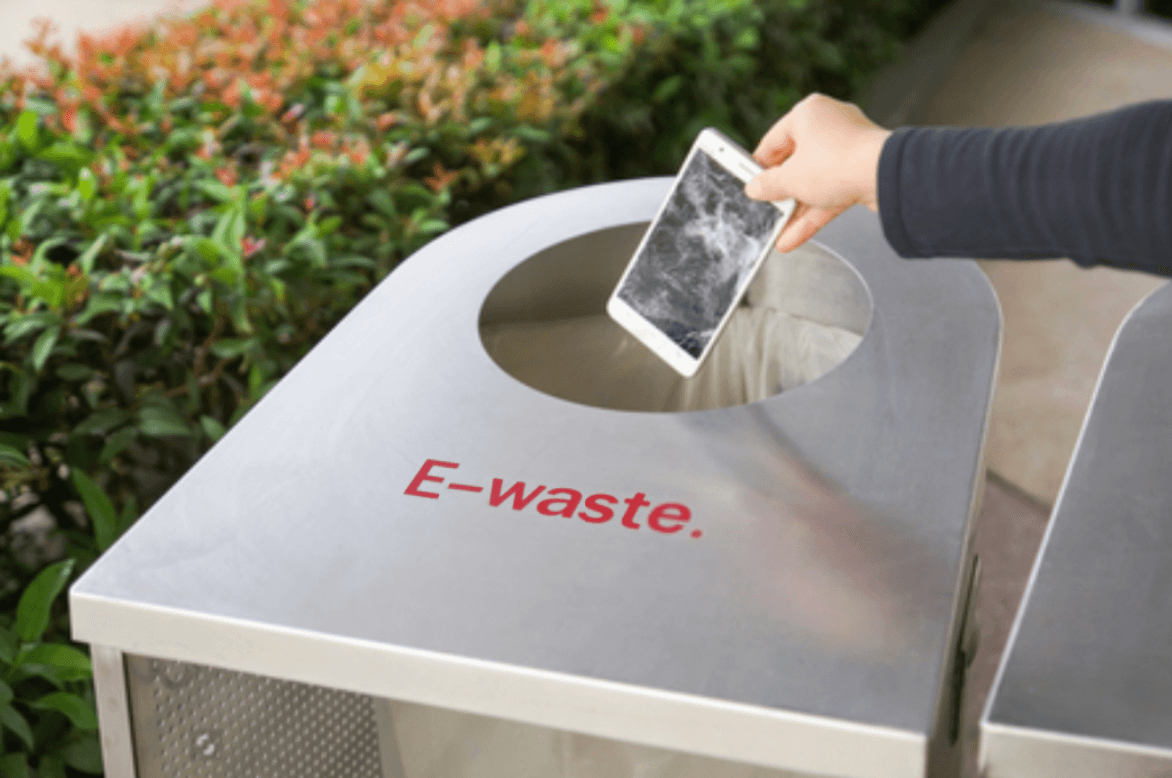
| Electronic waste | Phones, laptops, TVs, routers, gaming consoles and office IT | Recovers metals while preventing hazardous substances from entering soil and water |
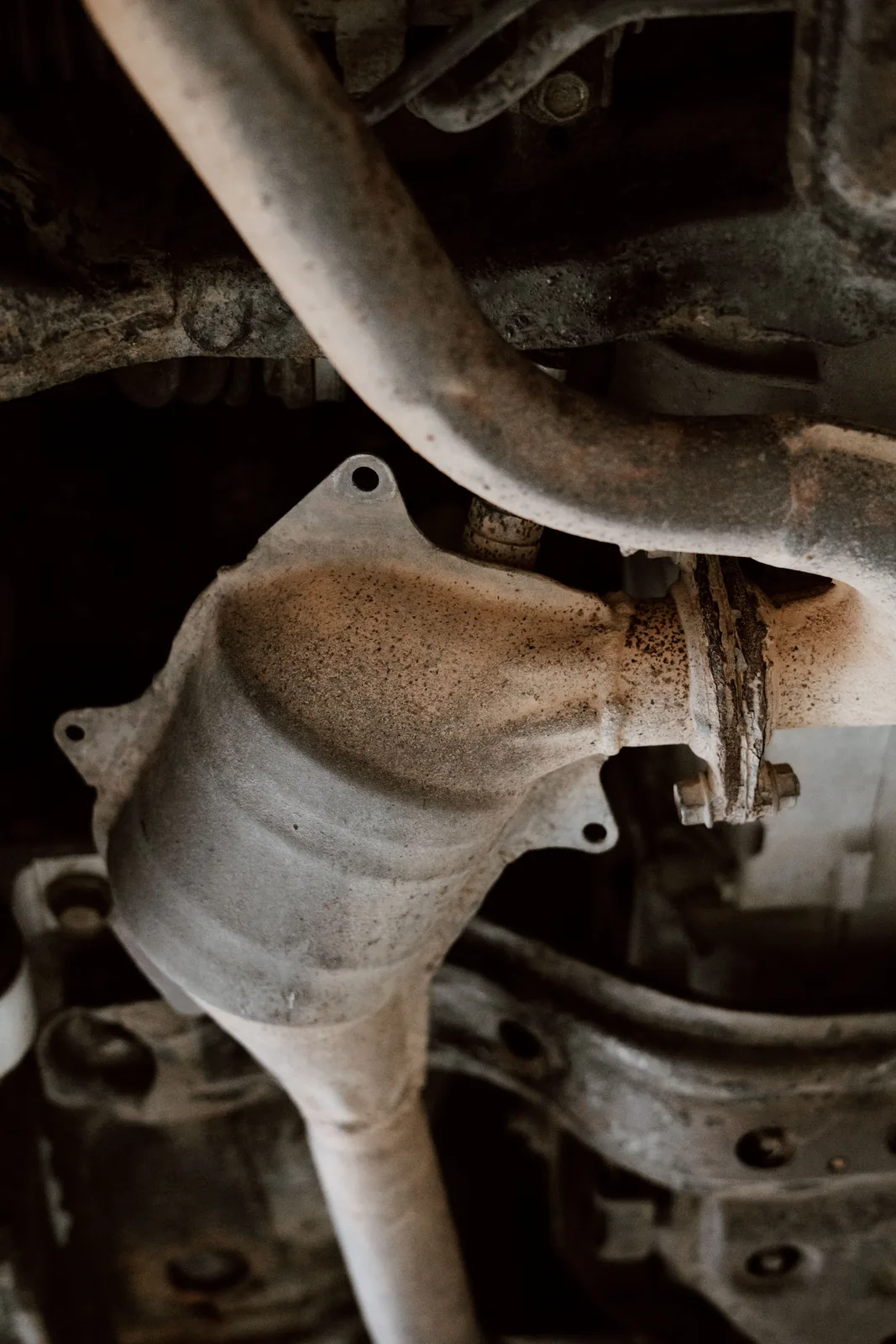
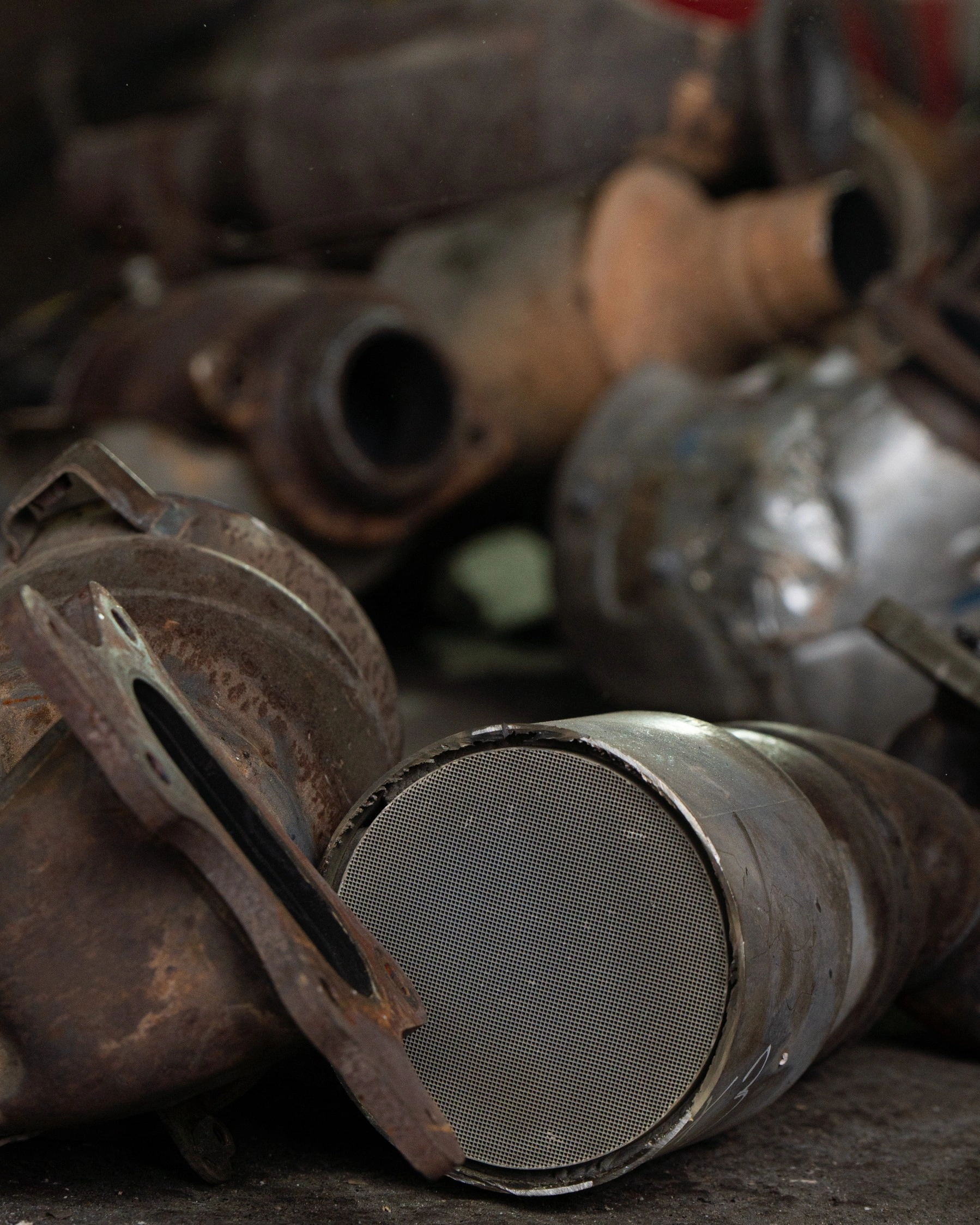
| Catalytic converters | Vehicle emission-control units | Recover platinum, palladium and rhodium for reuse in manufacturing |
| Non-ferrous metals | Copper pipe, aluminium siding, brass fittings and cable offcuts | Supports circular material use and may generate value for sellers |
Why is e-waste rising in South Africa?
South Africa is seeing more discarded electronics because people replace devices more often and rely on them for more parts of life. That turns old phones, laptops, monitors, and other equipment into a growing waste stream that needs proper management. The original message of this article still holds true: more devices in circulation means more devices reaching end of life. The difference now is scale. Homes often have multiple phones, routers, chargers, screens, and computers. Businesses cycle through equipment faster to keep systems current. Schools, clinics, and offices also depend on digital tools more than ever. When those items are forgotten in cupboards, mixed into general waste, or handed to the wrong channel, the problem grows quietly. That is why better awareness matters. Searches such as How does Recycle the One ensure environmentally responsible e-waste processing? show that people want proof of safe handling, not vague promises. According to the South African Government, South Africa has a national policy for managing waste electrical and electronic equipment. That matters because it confirms that this is a formal environmental issue that needs structured collection, processing, and accountability.What happens when old electronics are dumped or stored badly?
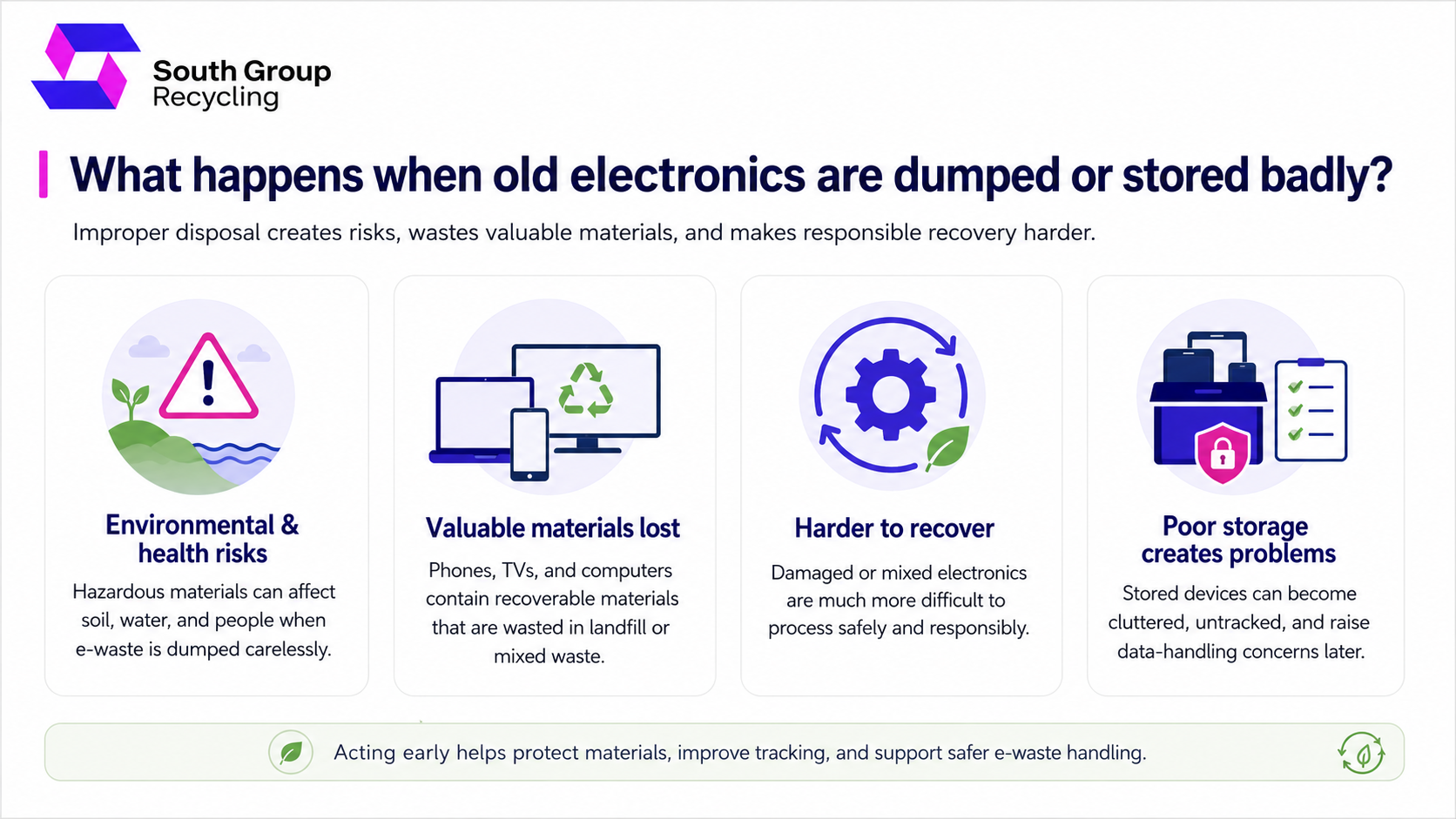 Improper disposal can create environmental and health risks, waste recoverable materials, and make responsible handling far harder later on. Even simple delay has a cost, because unused devices often end up damaged, mixed, or lost outside proper channels.
The lifecycle of electronics like smartphones, TVs, and computers too often ends in landfill or informal disposal. That breaks the chain of responsible recovery. Once devices are damaged, scattered, or mixed with general waste, safe processing becomes more difficult.
Bad storage is also a hidden problem. A broken laptop left in a storeroom for years may seem harmless, but large piles of outdated equipment create clutter, weaken tracking, and increase the chance of careless disposal later. For companies, that can also raise data handling concerns when old devices are not properly logged or cleared before collection.
If you want a plain-language overview of the risks, South Group’s guide on the dangers of improper e-waste disposal explains why careless disposal harms both the environment and the broader waste system.
Improper disposal can create environmental and health risks, waste recoverable materials, and make responsible handling far harder later on. Even simple delay has a cost, because unused devices often end up damaged, mixed, or lost outside proper channels.
The lifecycle of electronics like smartphones, TVs, and computers too often ends in landfill or informal disposal. That breaks the chain of responsible recovery. Once devices are damaged, scattered, or mixed with general waste, safe processing becomes more difficult.
Bad storage is also a hidden problem. A broken laptop left in a storeroom for years may seem harmless, but large piles of outdated equipment create clutter, weaken tracking, and increase the chance of careless disposal later. For companies, that can also raise data handling concerns when old devices are not properly logged or cleared before collection.
If you want a plain-language overview of the risks, South Group’s guide on the dangers of improper e-waste disposal explains why careless disposal harms both the environment and the broader waste system.
Why are the benefits worth the effort?
Recycling electronics helps reduce waste, supports material recovery, and lowers the need to rely only on virgin resources. It also gives households and businesses a practical way to turn disposal into responsible action. The biggest value sits in prevention and recovery. When devices go through proper recycling streams, useful materials can be recovered and reintroduced into productive use. That helps reduce pressure on landfill and supports a more circular approach to resource use. The benefits of e-waste recycling also include cleaner waste handling systems, less unnecessary stockpiling of broken devices, and better alignment with environmental goals. For businesses, responsible disposal can improve internal governance. For households, it removes clutter and reduces the chance that obsolete electronics end up in the wrong place. The benefits of recycling electronics are not only environmental. Good recycling habits support long-term operational discipline. They push people to sort, document, store, and move equipment more carefully. In practice, that is what makes sustainability work – not slogans, but repeatable habits. For organisations looking to build a more reliable disposal process, professional electronic waste recycling can support safer handling and a clearer path from collection to processing. You may also see this described as green device recycling. Whatever term you use, the goal is the same: keep obsolete electronics out of general waste and move them into systems designed for recovery and responsible treatment.Why E-Waste Recycling Has a Direct Influence on Sustainability
Electronic waste is one of the clearest examples of why sustainable living needs practical action. Old smartphones, computers, televisions, refrigerators, laptops and office equipment often contain valuable materials such as copper, aluminium and precious metals. When these materials are recovered through proper recycling, they can re-enter the manufacturing cycle instead of being lost in landfill.
The influence of e-waste recycling is also environmental and health-related. Many electronic devices contain substances that need controlled handling. If electronics are dumped or broken down informally, harmful materials can contaminate soil and water or expose workers and communities to unnecessary risk. Formal electronic waste recycling reduces these hazards by sorting, processing and recovering materials through safer channels.
For South African businesses, responsible e-waste management is also a practical operational decision. Old IT equipment, appliances, cables, batteries and electronic scrap can take up space, create data risks and complicate compliance if there is no disposal plan. A scheduled recycling process turns that problem into a managed resource stream.
South Group Recycling provides e-waste services across major South African regions, including support for larger collection orders. Businesses that want to improve sustainability reporting, clear old equipment and reduce environmental impact can book a collection and move their electronic waste through a responsible recycling route.
Which devices can usually be recycled?
Many common electronic items can be collected for recycling, especially devices used daily at home and in offices. The most common categories include phones, computers, screens, and audio or video equipment. The earlier version of this article mentioned smartphones, TVs, computers, monitors, laptops, scanners, and audio or video equipment. That remains a useful starting point. These are the items many people replace regularly, and they often hold the strongest potential for better recovery when handled correctly.Which common items belong in the recycling stream?
Phones, laptops, desktop computers, monitors, scanners, and similar equipment are typical examples of recyclable electronics. The key is to separate them from general waste and move them through a recycler that can manage them properly. Not every recycler accepts every item in the same way, so it is always smart to confirm accepted categories before drop-off or collection. Still, the table below gives a practical guide to the types of equipment that are commonly included.| Device category | Examples | Why proper handling matters |
|---|---|---|
| Mobile devices | Smartphones and similar handheld electronics | These are widely used, replaced often, and easy to store incorrectly in drawers or cupboards. |
| Computing equipment | Desktop computers, laptops, and monitors | They are common in homes and offices and often need both safe disposal and data-aware handling. |
| Home entertainment | TVs and audio or video equipment | These bulky items can end up in landfill if recycling channels are not clear or convenient. |
| Office peripherals | Scanners and related electronic accessories | They build up over time in businesses and are often overlooked during equipment upgrades. |
What are the main challenges in South Africa?
South Africa’s e-waste system still faces gaps in awareness, collection access, and processing capacity. The issue is not only about having recyclers – it is also about making proper disposal easy, trusted, and routine. The phrase South Africa e-waste recycling challenges captures a real set of barriers. Many people are unsure where to take old electronics. Some businesses delay disposal because internal processes are unclear. In other cases, convenience wins, and devices stay boxed in storerooms or move into the wrong waste stream. There is also a wider infrastructure question. According to CSIR, support for investment in electronic waste recycling technology is important. That highlights a simple point: responsible systems need not only public awareness, but also capacity, technology, and steady participation. This is where practical e-waste recycling solutions matter most. People need clear drop-off options, businesses need documented collection processes, and recyclers need efficient routes for sorting and handling material. Without those basics, even well-meaning consumers often do nothing.How can households recycle responsibly?
Households can make a real difference by keeping old electronics out of general bins, storing them safely, and using a reliable recycling channel. Small habits, repeated often, have a big effect over time. Start with a simple rule: do not throw outdated electronics away with everyday household waste. Keep them together in a dry, secure place until you are ready to recycle. If a device stores personal information, clear it properly before handing it over. That step is especially important for phones, laptops, and desktop computers. It also helps to sort before you recycle. Separate working devices from broken ones. Set aside cables and accessories if your chosen recycler accepts them. A little preparation makes the handover cleaner and faster. If you are unsure about older computer equipment, this guide on where to dispose of old computers in South Africa offers a useful starting point, including the reminder to wipe data securely before disposal. For households, the best approach is consistency. One drawer of dead devices may not feel urgent, but every delayed item adds to a wider national problem. Routine, visible action is what turns awareness into progress.How can businesses manage e-waste better?
Businesses manage e-waste better when they treat it as an ongoing process, not a once-off cleanout. A simple policy, clear ownership, and scheduled collections usually make the biggest difference. Offices often generate more obsolete electronics than they realise. Equipment upgrades, remote work changes, branch closures, and staff turnover all create old devices that need tracking. Without a process, those items pile up in storerooms and disappear from view. A workable system does not need to be complex. Start by listing device categories your business uses most. Decide where redundant equipment will be stored. Assign one team or role to track handover. Make data clearing part of the offboarding process. Then set a regular review date so old stock does not sit for years. For larger organisations, partnering with a provider that supports electronic waste and recycling services can help create a steadier, more accountable disposal routine.What should a simple company policy include?
A basic company policy should cover storage, data handling, collection timing, and who approves final disposal. If those four points are clear, most organisations already avoid the biggest mistakes.- Define which devices fall under the policy.
- Set a secure holding area for obsolete electronics.
- Require data clearing before devices leave company control.
- Record what is collected and when.
- Review the process after major IT refresh cycles.