
What makes a metal “non-ferrous” – and why buyers pay more
Non-ferrous metals are those that do not contain significant amounts of iron. They do not rust in the same way as steel, they usually weigh less, and many of them conduct electricity very well.
The main non-ferrous metals most small and large sellers handle are:
- Copper – cables, plumbing, motors, transformers.
- Aluminium – window frames, pots and pans, engine parts, drink cans.
- Brass – taps, valves, door hardware, plumbing fittings, some electrical components.
These metals often fetch higher prices per kilogram than common ferrous metals such as mild steel. There are a few simple reasons.
Why non-ferrous metals fetch higher prices
Non-ferrous metals usually trade at higher levels because:
- They are more scarce in the earth’s crust than iron.
- They deliver special performance, such as high conductivity (copper) or low weight (aluminium).
- They maintain their quality when recycled, so industry wants them back again and again.
Recycling these metals also saves huge amounts of energy compared with producing them from ore. For example, recycling aluminium uses about 95% less energy than producing new metal from bauxite ore, according to the United States Environmental Protection Agency.
This combination of scarcity, performance and energy savings explains why buyers care so much about the quality and purity of your non-ferrous loads. The better you prepare them, the better the price you can negotiate.
Sorting copper, aluminium and brass for maximum value
Many sellers lose money not because of low demand, but because their materials arrive mixed, dirty or poorly stored. Clean sorting is one of the most powerful habits you can build, whether you are a plumber, a small yard, or a major industrial site.
Sort by metal type first
Start with the basics. Keep copper, aluminium and brass separate at all times. Even small bits of steel or other metals in a bag or crate can push your load into a lower grade.
A simple routine that works well on most sites:
- Have clearly labelled bins or cages for “Copper”, “Aluminium” and “Brass”.
- Train staff and contractors on where each item goes.
- Keep bins close to where offcuts or scrap are generated to reduce “I’ll sort it later” piles.
Sort copper by grade
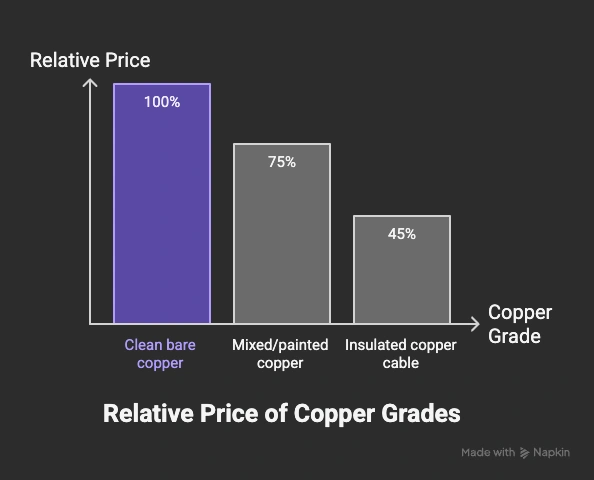
Copper is usually graded by how clean it is and whether it is bare or insulated.
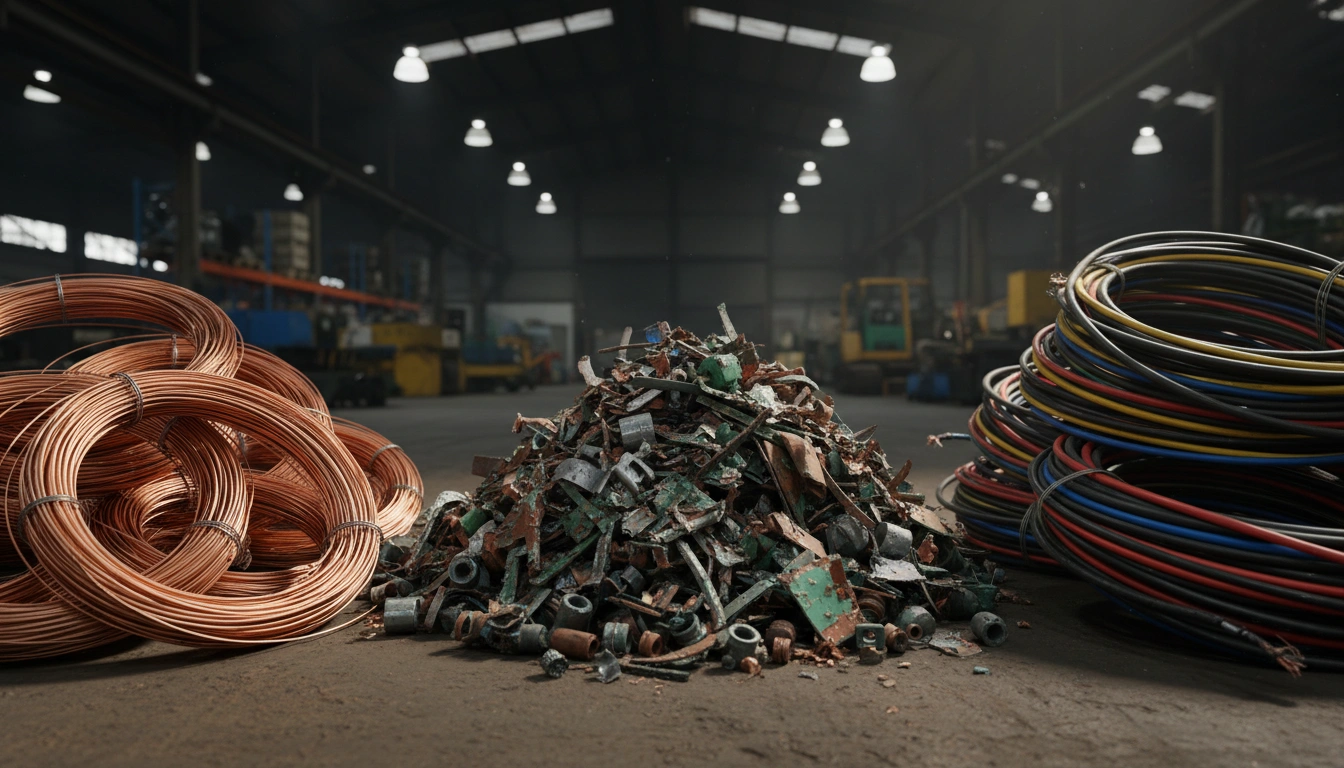
- Clean bare copper – bright stripped wire or pipe with no paint, solder, fittings or insulation.
- Mixed or painted copper – pipes with paint, solder joints, small brass fittings still attached.
- Insulated copper cable – any copper wire still covered in plastic or rubber.
Where possible, remove obvious contamination such as steel brackets, heavy solder or large brass fittings. Do not burn insulation off wire – it is unsafe, illegal at many sites, and can cause buyers to reject your load.
Prepare aluminium correctly
Aluminium also gains value when it is clean, dry and separated:
- Separate clean profiles (window frames, extrusions) from mixed aluminium (pots, cast parts).
- Remove steel screws, hinges and other visible attachments.
- Keep aluminium drink cans separate from heavier cast items.
If you run a factory that produces regular aluminium offcuts, speak with your buyer about setting up dedicated cages or skips for clean scrap only. That can support better long-term terms.
Sort brass with care
Brass often appears in plumbing and electrical gear. Typical items include taps, valves, compression fittings, and some light fittings.
- Remove obvious steel pieces such as screws or back plates.
- Keep brass separate from copper – they look similar at a glance.
- Do not mix brass with zinc die-cast or mystery metals.
A small magnet on a keyring helps. Brass and copper are not magnetic, while many steel parts are.
How South African scrap trends affect non-ferrous sales
Non-ferrous prices in South Africa move with global metal markets, exchange rates, export conditions and local demand. Local supply – for example, from power projects, construction, and manufacturing – also plays a role.
While you should never rely on a single headline rate, tracking broader scrap metal prices in South Africa trends helps you decide when and how to sell, and which materials to focus on.
Some useful habits include:
- Watching news about global copper and aluminium demand, especially from large manufacturing regions.
- Keeping an eye on the Rand’s strength against major currencies, because much non-ferrous trade links to global benchmarks.
- Paying attention to export regulations and compliance rules, which can affect yard buying behaviour.
South Group Recycling publishes guidance on how sellers can monitor such changes and build them into their planning. Guidance like the company’s article on staying updated on catalytic converter and scrap prices can help smaller sellers understand the bigger picture without tracking every market tick.
How to store non-ferrous metals so value is preserved
Good storage protects your load from theft, contamination and damage. Poor storage can turn a neat pile of clean copper into a mixed mess that brings a lower offer.
Basic storage tips that work on any site
- Use dedicated containers for each metal and grade, such as stillages, drums or cages.
- Keep containers off bare soil to avoid moisture and dirt mixing into the load.
- Cover outdoor containers when possible to limit rain and corrosion.
- Lock high-value items such as stripped copper cable away from open yards.
Factories, workshops and recyclers who generate regular volumes should also look at simple process maps. For example, where does offcut copper go the moment it leaves the machine? Every extra handling step increases the risk of mix-ups.
Common quality problems that cut your payout
From a buyer’s point of view, quality risk is price risk. If they cannot be sure what is in the load, they must protect themselves. That usually means a lower grade.
Some of the most common problems South African yards see include:
- Mixed metals in one container, such as steel screws hidden in brass fittings.
- Burnt cable or melted alloy, which makes grading difficult and can signal unsafe handling.
- Oil, grease, cutting fluids or other residues that require extra cleaning.
- Hidden moisture trapped in sealed pipes or containers.
Addressing these issues is not just about a better price. It also improves safety and environmental performance on your site.
Simple checks before you ship
Before you schedule a pickup or deliver to a yard, take a few minutes to:
- Check for visible contaminants such as plastic, rubber or large steel brackets.
- Confirm that each bin is clearly one metal type and grade.
- Make sure your scales or weight records are accurate.
- Keep documentation for any industrial waste classifications, where required.
Clear photos of your loads, taken in good light, can help your buyer advise you upfront on any obvious grading problems.
How South Group Recycling supports non-ferrous sellers
South Group Recycling trades both ferrous and non-ferrous metals through its network of South African locations. For sellers of copper, aluminium and brass, that means access to a consistent buyer that understands quality standards, compliance, and long-term relationships.
The company focuses on environmentally responsible recycling and aims to keep material away from landfill through structured buyback initiatives. This approach benefits regular suppliers who want steady offtake, reliable reporting and support with sorting and logistics.
Many sellers do not only handle clean metal scrap. They also deal with old electronics, cables and IT equipment. Instead of mixing those items into general scrap, it usually makes more sense to send them through dedicated e-waste channels, where metals, plastics and components can be processed safely.
If you manage a site that generates several waste streams – for example, non-ferrous metal offcuts, mixed scrap steel, and old electronics – South Group Recycling’s one-stop model can simplify life. You work with one partner across multiple recycling needs instead of piecing together several separate buyers.
When non-ferrous meets electronics: managing cables and components
Many of the highest value metals on a typical site sit inside electrical and electronic items. Copper windings, aluminium heat sinks and brass connectors all appear inside motors, control panels and IT hardware.
The global volume of such waste is significant. The United Nations reported that the world generated a record 62 million tonnes of electronic waste in 2022, with only about 22% formally documented as properly collected and recycled.
For South African businesses, that means two things:
- There is a real opportunity to recover value from these materials.
- There is a legal and ethical need to handle hazardous components correctly.
Instead of stripping electronics on site, many sellers prefer to work with a certified recycler. South Group Recycling explains how this works in its electronic recycling and leveraging AI to identify electronics for recycling guide, which outlines safe ways to channel equipment and recover the metals within.
Typical non-ferrous items and how to handle them
Table: Common non-ferrous items and preparation tips
| Item type | Metal | Where it appears | Simple preparation tip |
|---|---|---|---|
| Plumbing offcuts | Copper / Brass | Renovations, new builds, maintenance work | Keep copper pipe and brass fittings in separate buckets; avoid mixing with steel brackets. |
| Aluminium profiles | Aluminium | Window and door fabricators, shopfitters | Store clean offcuts in dry cages; remove heavy steel hardware where possible. |
| Electric motors | Copper / Aluminium | Factories, HVAC, pumps, compressors | Keep motors intact unless you have approved dismantling; do not burn off coatings. |
| Cables and wiring | Copper | Construction, electrical contractors, IT refreshes | Bundle similar cables together; avoid burning insulation; consider specialised cable recycling. |
| Old taps and valves | Brass | Plumbers, facilities maintenance | Remove obvious steel fixings; store separately from copper pipe to avoid confusion. |
Best practice for regular non-ferrous sellers
Whether you bring in a few kilos a month or truckloads each week, consistent habits make your non-ferrous sales smoother and more rewarding.
For plumbers and small contractors
- Carry small labelled tubs in your vehicle for copper, brass and mixed metal.
- Strip large copper offcuts on site only if safe; do not waste time cleaning tiny pieces.
- Schedule a regular drop-off or collection with your buyer, such as monthly or quarterly.
- Keep a simple logbook or spreadsheet of dates, weights and payments for your own records.
For workshops and light manufacturers
- Place clearly marked stillages near cutting and machining stations.
- Train new staff on basic metal identification and storage rules.
- Work with your recycler to set up a collection calendar that fits your production rhythm.
- Separate production scrap from obsolete equipment and e-waste so each follows the right treatment route.
For recyclers and larger industrial sites
- Develop internal grading standards that match what your downstream buyers expect.
- Use clear signage and colour coding for different grades and metals.
- Audit your storage areas regularly for contamination or safety issues.
- Engage early with a metals trading partner that can handle both ferrous and non-ferrous flows at scale.
Across all these groups, communication with your buyer is vital. Share your expected volumes, changes in production, and any special projects that may generate one-off loads such as demolition or decommissioning.
Summary
Non-ferrous metals such as copper, aluminium and brass hold strong value in the South African recycling market, but you only realise that value when your loads are clean, sorted and stored with care. By separating metals on site, removing obvious contaminants and planning storage, you give buyers the confidence to grade fairly and consistently. Watching broader market factors, from global demand to local regulations, helps you choose when and how to sell, while partnering with a specialist like South Group Recycling provides a stable outlet for both your metal scrap and your more complex waste streams. With a bit of structure and the support of experienced recyclers and metal traders, selling non-ferrous metals can become a reliable, responsible part of your business income.