
Introduction: A catalytic converter is small, but its impact is big. It helps clean vehicle exhaust while it is in use, and once it reaches the end of its life, it still holds recoverable materials that should not be wasted. For drivers, workshops, fleets, and scrap handlers in South Africa, recycling catalytic converters is a practical step that supports cleaner waste handling, better resource use, and a more responsible automotive industry.
- Used converters contain recoverable industrial metals that should be returned to the supply chain.
- Recycling helps reduce waste and limits the need for new raw material extraction.
- Proper handling matters because spent units should not be dumped, stockpiled, or mixed with general scrap without care.
- Vehicle owners, workshops, fleets, and dismantlers all benefit from using a specialist recycler.
- Hybrid units also deserve careful handling because they are part of the same emissions-control story.
- South African sellers usually want traceability, clear evaluation, and a straightforward handover process.
What does a catalytic converter do?
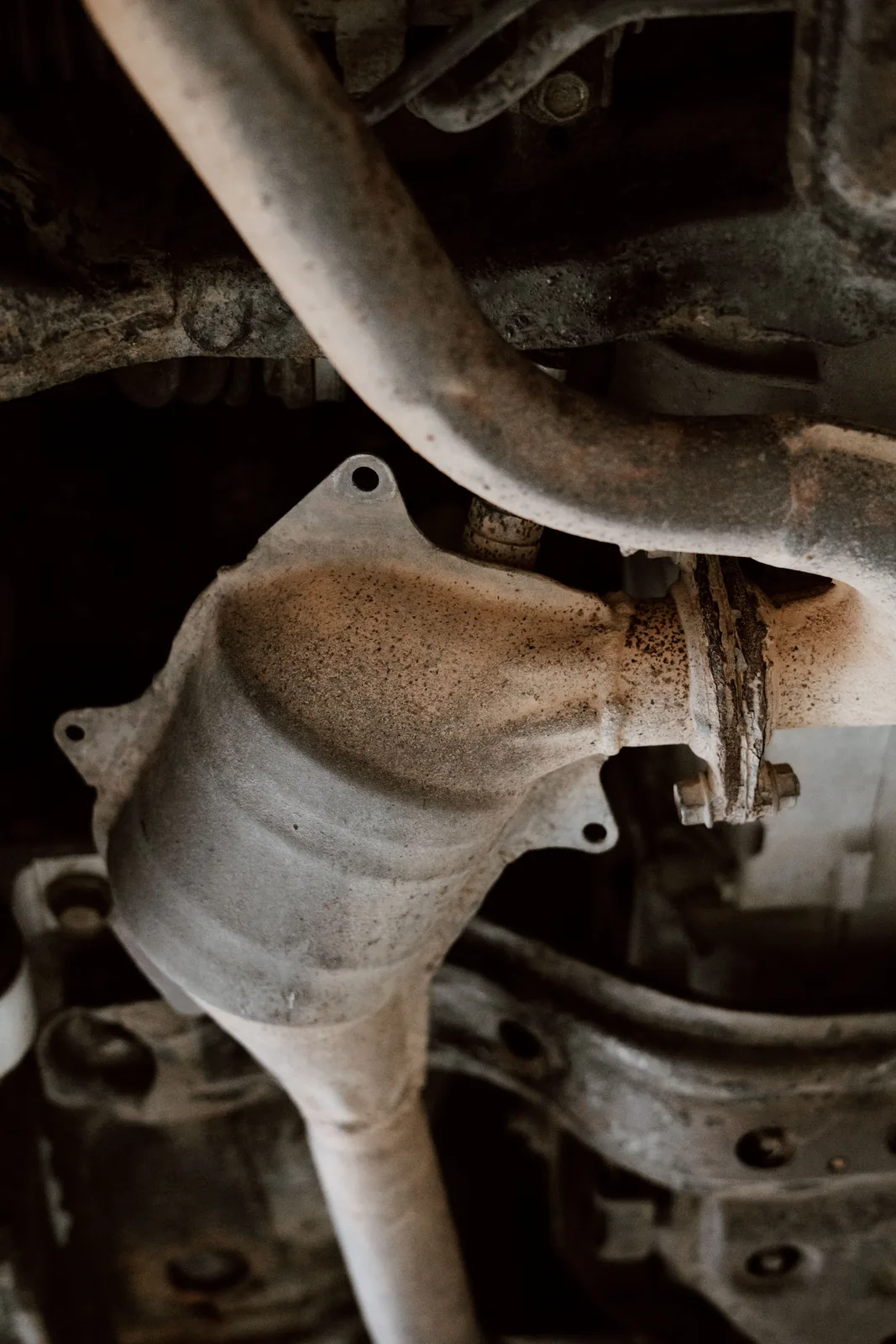
A catalytic converter is part of a vehicle’s exhaust system, and its job is to reduce harmful pollutants before they leave the tailpipe. In simple terms, it helps turn more dangerous exhaust gases into less harmful emissions.
This core role is why the component matters so much. Modern vehicles rely on it to support cleaner exhaust output, which is why replacement becomes necessary when a unit is damaged, clogged, or simply at the end of its service life.
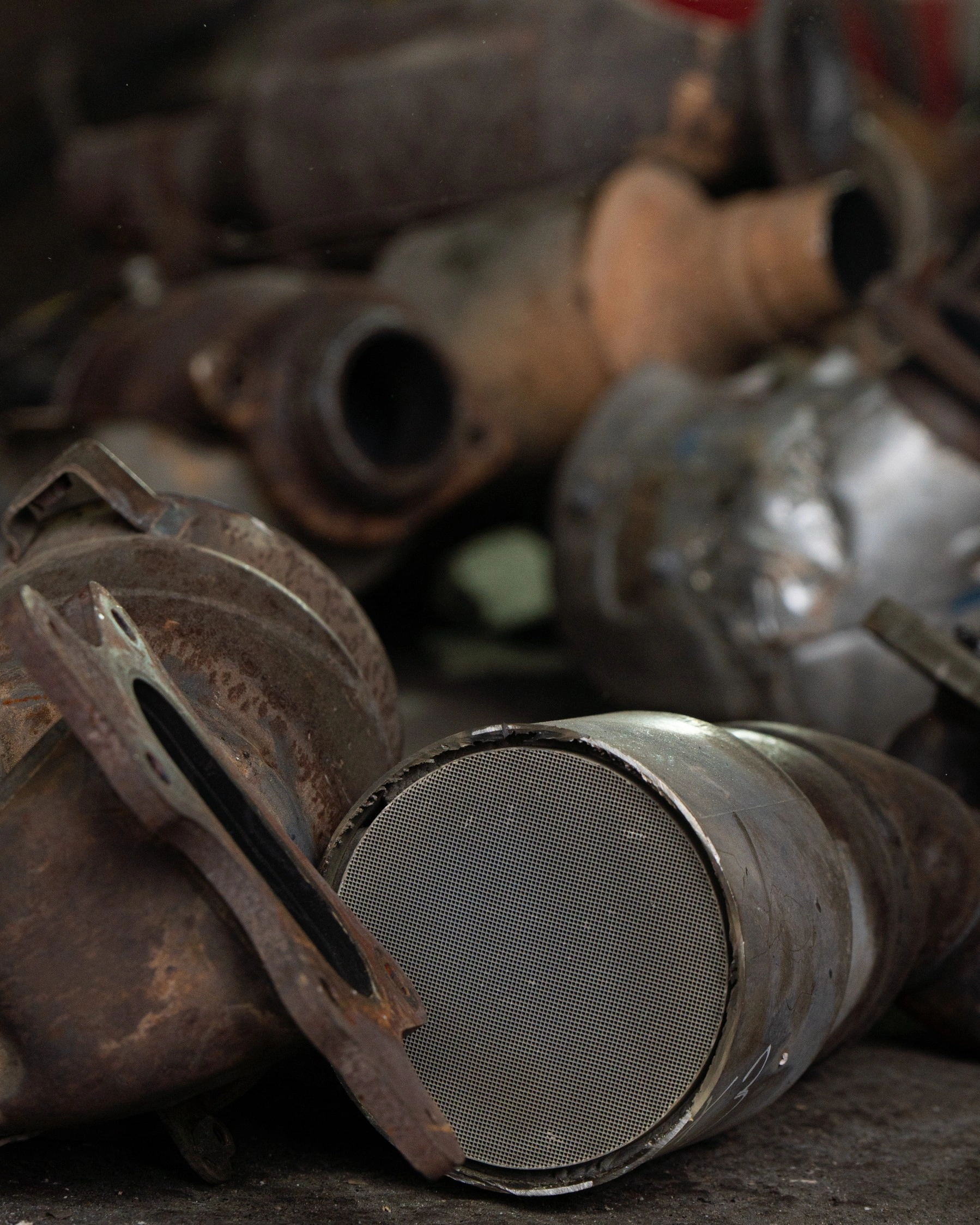
The original article was right to focus on function first. If you understand what the part does on the vehicle, the case for recycling becomes obvious. A spent unit is not just scrap metal. It is a used emissions-control component that still contains materials worth recovering.
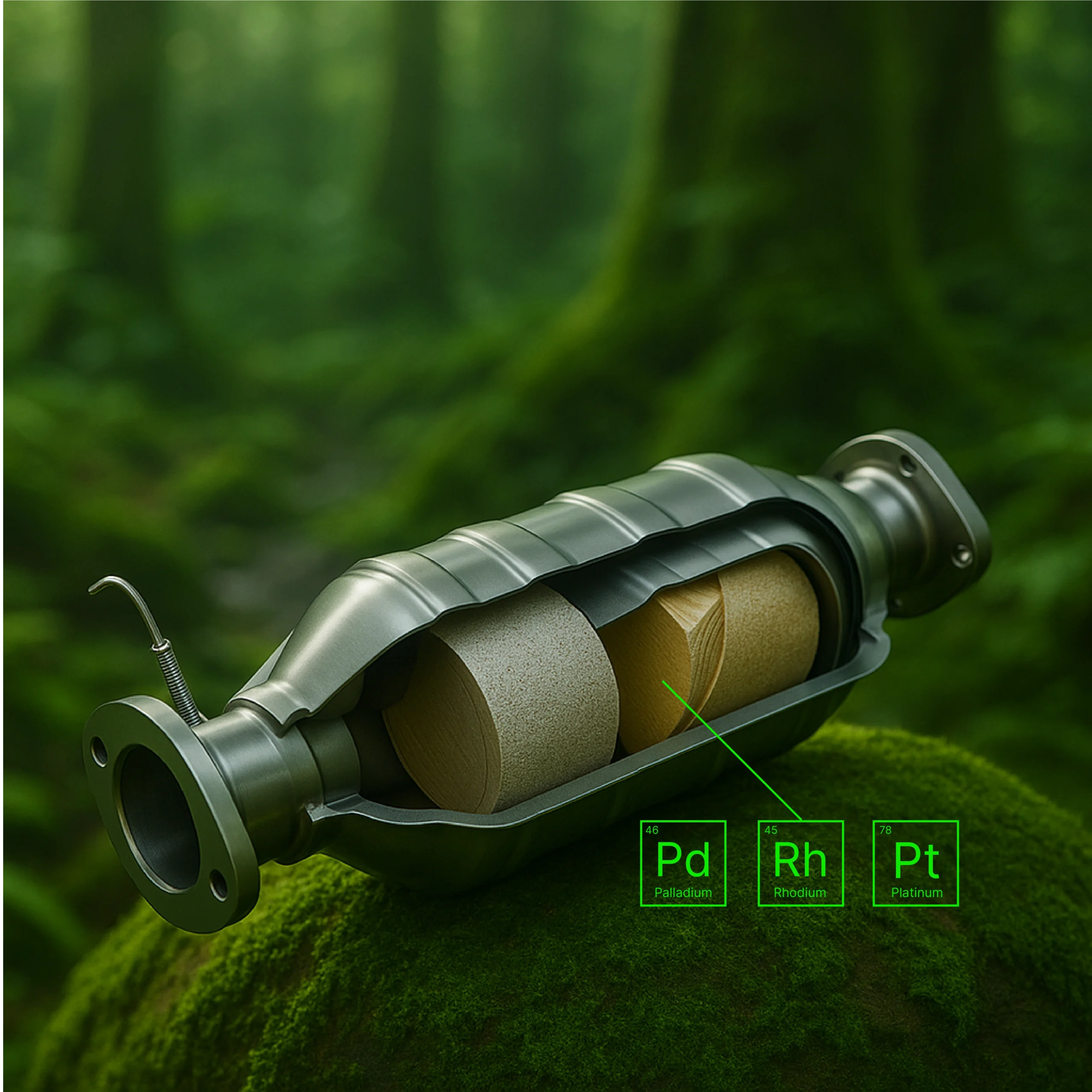
According to the USGS, platinum-group elements include platinum, palladium, and rhodium, which are important industrial metals used in pollution-control applications. That matters here because these are the kinds of materials associated with converters and why end-of-life recovery makes sense.
Why is recycling used converters needed?
Recycling used converters is needed because these parts combine environmental importance with material recovery value. Throwing them away wastes useful resources and creates a poor end-of-life outcome for a component designed to reduce pollution.
There are several reasons this practice has become more important, not less. More vehicles on the road means more replacement parts over time. At the same time, industries worldwide want to recover useful materials wherever possible instead of depending only on newly mined inputs.
This is where the original article had a strong foundation. Valuable metals recovery, environmental protection, and responsible disposal are still the key reasons in 2026. The difference now is that buyers and sellers are more informed. They want a process that is documented, efficient, and handled by a specialist rather than an informal chain.
If you want that whole picture in one place – what sits inside the housing, why converters fail, how the process runs from collection to settlement, and what genuinely determines the value of a spent unit – our complete guide to catalytic converter recycling and the process behind it brings all of it together.
Why are the materials worth recovering?
The materials are worth recovering because a used converter can still contain industrial metals that remain useful after the part stops working on a vehicle. Recovery keeps those materials in circulation instead of letting them disappear into mixed waste.
This is one of the clearest arguments for end-of-life processing. A worn or faulty unit may no longer perform well on the car, yet that does not mean it has lost all value as a recyclable item. Recovery supports resource efficiency and helps reduce pressure on primary extraction.
That is also why people often search with local intent when they are ready to sell or dispose of units. Phrases such as catalytic converter buyers near me, catalytic converter recycling near me, cat converter recycling, hybrid vehicle catalyst recycling, and catalytic converter buyers Cape Town usually signal the same need: a nearby specialist that can handle the item correctly and explain the next step clearly.
How does recycling help the environment?
Recycling helps the environment by keeping recoverable materials out of the general waste stream and reducing the need for virgin raw materials. It turns a discarded automotive part into a source of secondary material instead of an avoidable waste problem.
That principle is well supported beyond the auto sector. According to the US EPA, recycling hazardous materials can conserve natural resources and reduce the need for virgin raw materials. While converters are a specific product category, the broader recycling logic is the same: recover what can be reused and manage the rest through proper channels.
There is also a practical benefit for businesses. Workshops and fleet operators that separate used units from general scrap create a cleaner chain of custody. That makes inventory easier to track and supports more responsible environmental practices across the business.
Why does proper disposal matter?
Proper disposal matters because used converters should not be treated like ordinary rubbish. They are specialized components that need controlled handling, clear identification, and a suitable recycling route.
When these units are dumped, broken up carelessly, or mixed into unsorted waste, everyone loses. Recoverable material is wasted. The item becomes harder to identify. The seller also loses the chance to work through a specialist that can manage the handover in a more transparent way.
For companies, proper disposal is also about process discipline. It helps teams avoid messy storage areas, unclear stock records, and ad hoc decisions about where used parts should go. Even when the goal is simple, the result is better when the route is structured.
Bin it or recycle it: two end-of-life paths
What happens to a spent converter depends entirely on the route it takes. Here is how the two outcomes compare.
Dumped or mixed with general scrap
- No: Recoverable metals are wasted instead of returned to the supply chain.
- No: The unit becomes harder to identify once it is broken up or mixed.
- No: No traceability and no clear record of the handover.
- No: Informal handling with an uncertain, inconsistent outcome.
Recycled through a specialist
Recommended
- Yes: Industrial metals are recovered and kept in circulation.
- Yes: The unit is identified and evaluated within a clear process.
- Yes: Documented handover gives a traceable chain of custody.
- Yes: A structured, repeatable route that sellers can rely on.
Bottom line: The same spent converter can be wasted or recovered – the difference is choosing a specialist route with proper identification and traceability.
Who should recycle end-of-life converters?
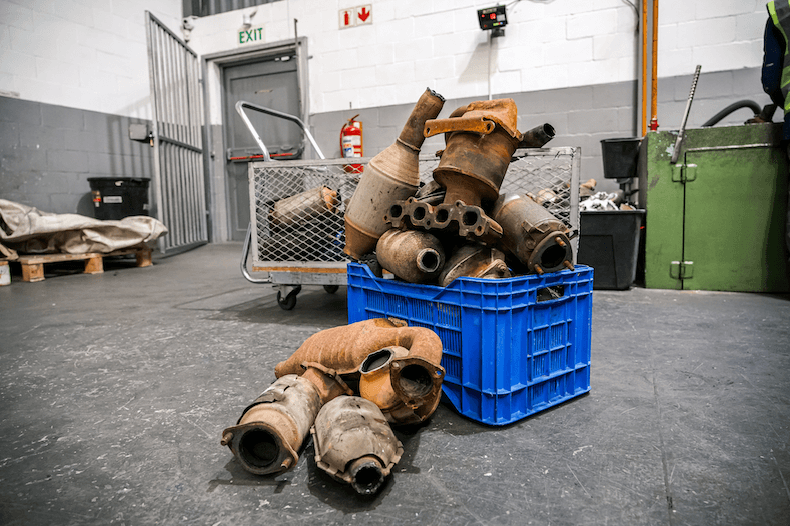
Anyone holding a spent converter should consider specialist recycling, especially vehicle owners, repair shops, salvage operators, and fleet managers. If a unit has been removed from service, it belongs in a controlled recovery stream rather than in a bin or mixed scrap pile.
Private vehicle owners usually need convenience and trust. A workshop may need repeat handling and better recordkeeping. A fleet may care most about consistency across large volumes. Dismantlers and scrap businesses often want dependable evaluation and a stable process for incoming units.
South African conditions make this especially relevant. Distances between sites can be large, and not every buyer handles these parts in the same way. A specialist with established operations and a clear process usually saves time, limits confusion, and reduces the risk of informal handling.
How does the process usually work?
The process usually starts with collection or delivery, then moves into identification, evaluation, and downstream recovery through a specialist recycler. The exact workflow can vary, but the basic aim stays the same: handle the unit safely and recover useful materials responsibly.
If you want a fuller overview, South Group has published a step-by-step guide to how the recycling process works that explains the broader journey from handover to recovery.
In practice, sellers want a process that feels simple. They want to know what the part is, where it goes next, and whether the recycler has experience with vehicle, workshop, and industrial sources.
If you need a dedicated route for catalytic converter recycling, using a specialist service can make identification, handling, and next-step communication much easier.
What happens at each stage?
Each stage has a clear purpose: receive the unit, identify it, move it through responsible recovery, and keep the process traceable. A good workflow reduces confusion for both first-time sellers and repeat trade suppliers.
| Stage | What usually happens | Why it matters |
|---|---|---|
| Collection or drop-off | The used unit is handed over through an agreed channel. | This creates a clear starting point and avoids informal disposal. |
| Identification | The recycler checks the type and source of the item. | Correct identification supports accurate handling. |
| Evaluation | The unit is assessed within the recycler’s process. | This helps separate viable recycling material from general scrap. |
| Recovery pathway | The item moves into the appropriate recycling stream. | Useful materials can be recovered rather than wasted. |
| Documentation and communication | The seller receives clarity on the handover and next steps. | Traceability builds trust and supports repeat business. |
What should you ask a recycling partner?
You should ask how the recycler handles identification, documentation, communication, and the overall handover process. A reliable partner should be able to explain the basics clearly without vague answers.
This matters even more if you supply units regularly. A good partner will help you reduce admin friction, improve storage discipline, and create a repeatable disposal routine instead of a last-minute scramble every time stock builds up.
South Group also covers this topic in its guide on how to choose the ideal recycling partner, which is useful for both individuals and business sellers.
Where do recovered metals go for refining?
Once a unit has been identified and moved into the recovery stream, the material is sent on for refining. A catalytic converter refinery separates and purifies the platinum-group metals so they can be reused in new industrial and automotive applications. This final step is what turns catalytic converters recycling from simple collection into genuine material recovery, closing the loop between a spent part and usable metal. For a fuller picture of how the chain fits together in a local context, see South Group’s overview of understanding catalytic converter recycling in South Africa.
Why does hybrid recycling matter too?
Hybrid recycling matters because hybrid vehicles also use emissions-control components that eventually reach end of life. These units should be handled with the same care and recovery mindset as any other used converter.
As South Africa’s vehicle mix becomes more varied, recyclers need to be ready for more than one type of incoming unit. That does not change the central idea. If the part has finished its job on the vehicle, it should move into a proper recycling stream rather than disappear into mixed automotive waste.
For workshops and dismantlers, this is less about buzzwords and more about operational readiness. The more vehicle types you see, the more useful it becomes to work with a recycler that understands varied sources and can guide the handover process without guesswork.
Why work with a specialist in South Africa?
Working with a specialist in South Africa gives sellers a clearer route for responsible handover, local support, and more predictable processing. It is usually the safest choice when you want less uncertainty and a more professional experience.
South Group’s role in this space is practical. The company offers converter recycling services in South Africa and operates from four locations, which helps improve access for sellers in major regions. That local footprint matters because end-of-life parts are easier to manage when the recycler is established and reachable.
This is also where the original article still holds up well. Local expertise, environmental responsibility, and efficient handling remain the main reasons people choose a specialist rather than an informal buyer.
For sellers who want traceability and a straightforward handover path, experienced catalytic converter buyers can make the final step simpler and more consistent.
How to find catalytic converter buyers near you in South Africa
When sellers are ready to move a unit on, they often search for catalytic converter buyers near me or catalytic converter recycling near me, hoping to find a nearby specialist. What matters is not only distance but process: dependable catalytic converter buyers explain how they identify, evaluate and document each unit before any handover. If you are still weighing your options, South Group’s guide on buying vs recycling options for old catalytic converters compares the routes, while common myths about catalytic converter recycling debunked clears up frequent misunderstandings about recycling catalytic converters. Choosing an established specialist for catalytic converter recycling gives sellers a clearer, more consistent experience.
Summary
A catalytic converter earns attention twice in its life: first when it reduces harmful exhaust emissions, and again when it reaches the end of its use on the vehicle. That second stage is where responsible recovery matters most.
The case for recycling is strong and practical. Used units can contain recoverable industrial metals. Proper handling keeps them out of the general waste stream. Workshops, fleet operators, dismantlers, and private sellers all benefit from a cleaner, more structured process.
In South Africa, the best outcome usually comes from using a specialist with a clear workflow, local presence, and experience with different supply types. That turns a worn-out part into a managed recovery opportunity instead of a disposal problem.