
Overview: This guide explains how catalytic converter recycling works in South Africa – why end-of-life converters matter, the precious metals they contain, how the recovery process works, how scrap prices are set, and how to choose a compliant recycler or refinery. It is written for businesses and individuals across Southern Africa who want to recycle responsibly and get fair value.
Key Takeaways
- Catalytic converters contain platinum, palladium, and rhodium – valuable, but hazardous if disposed of improperly, so responsible recycling matters.
- Recycling recovers these scarce metals, easing mining pressure and preventing environmental contamination.
- The process runs from secure collection to de-canning, crushing, and precise chemical analysis, all under strict environmental compliance.
- Scrap prices track the global metals market, so market awareness and timing affect your returns.
- Choose a licensed, ISO-certified, compliant recycler or refinery to protect both legal standing and reputation.
- Local demand and international trade interest keep demand for compliant recycling in South Africa strong.
Importance of Catalytic Converter Recycling
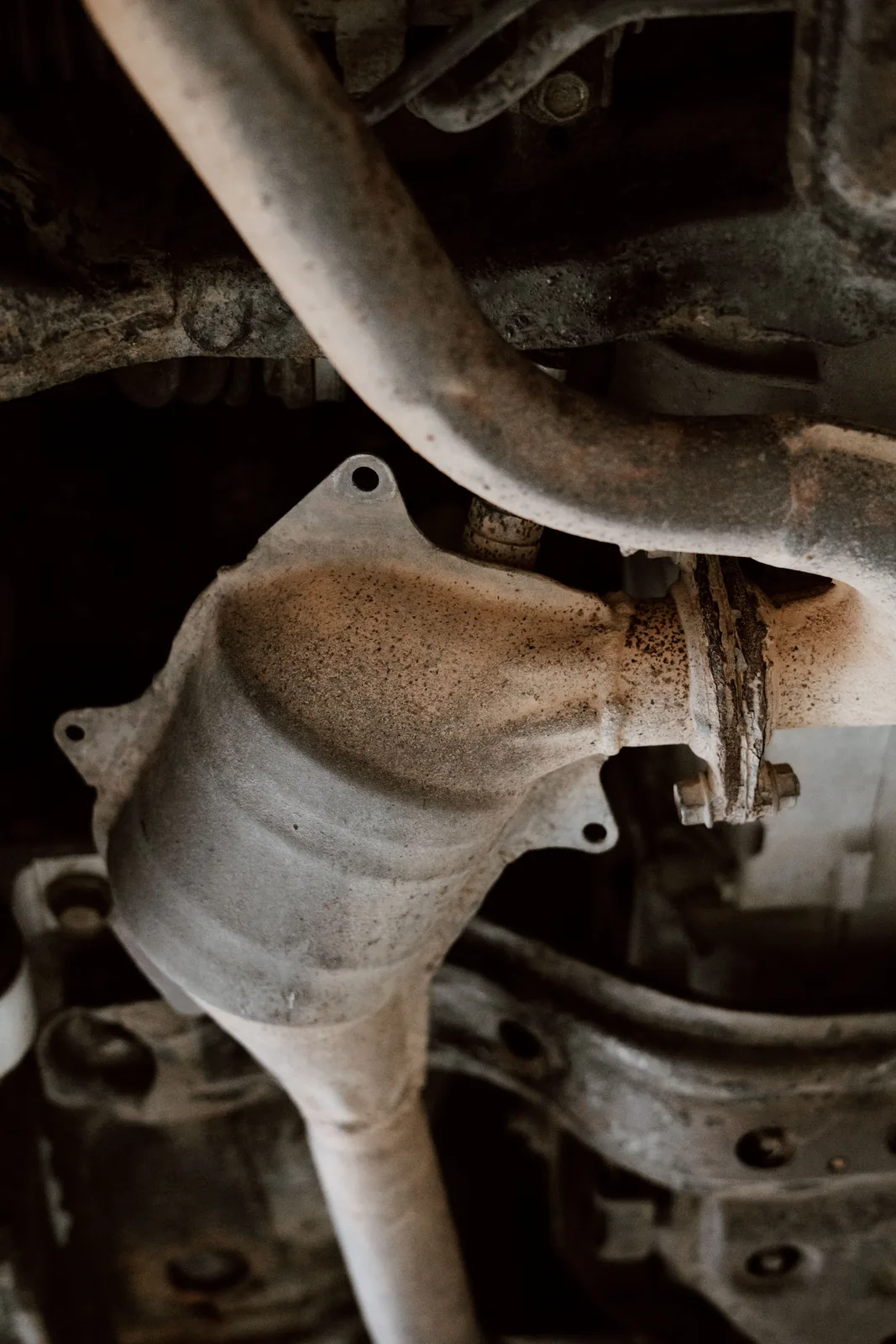
Catalytic converters are an important automotive component designed to reduce harmful emissions. However, at the end of their lifespan, it is essential to recycle them responsibly. In Southern Africa, and particularly in South Africa, both local needs and international trade interests have increased the demand for efficient and compliant catalytic converter recycling services.
How Catalytic Converter Recycling Works
Valuable and Hazardous Metals
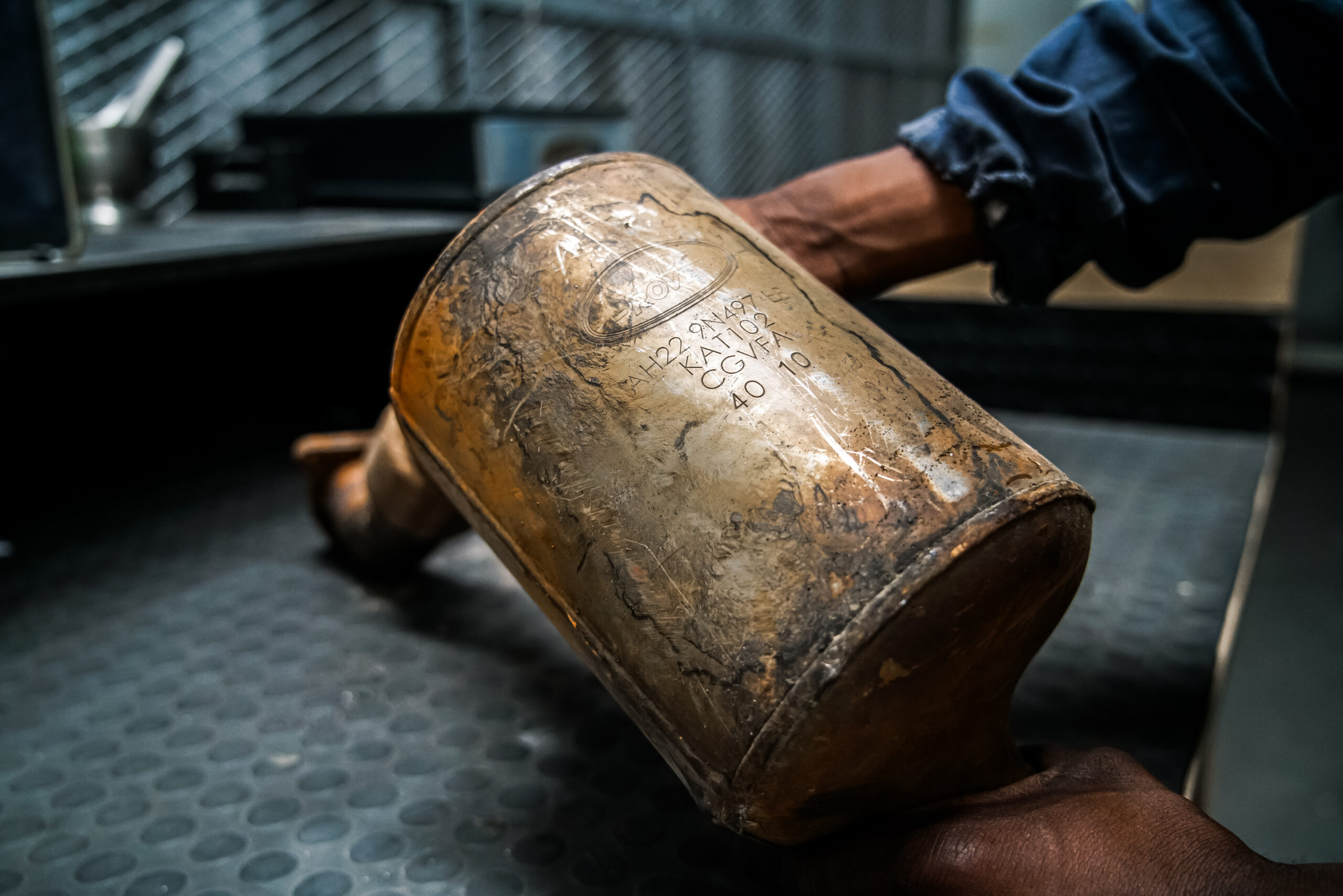
Catalytic converters contain precious metals such as platinum, palladium, and rhodium, which are not only valuable but also dangerous if disposed of improperly. Recycling these components not only conserves natural resources but also protects the environment by preventing these metals from ending up in landfills.
The Catalytic Converter Recycling and Salvage Process
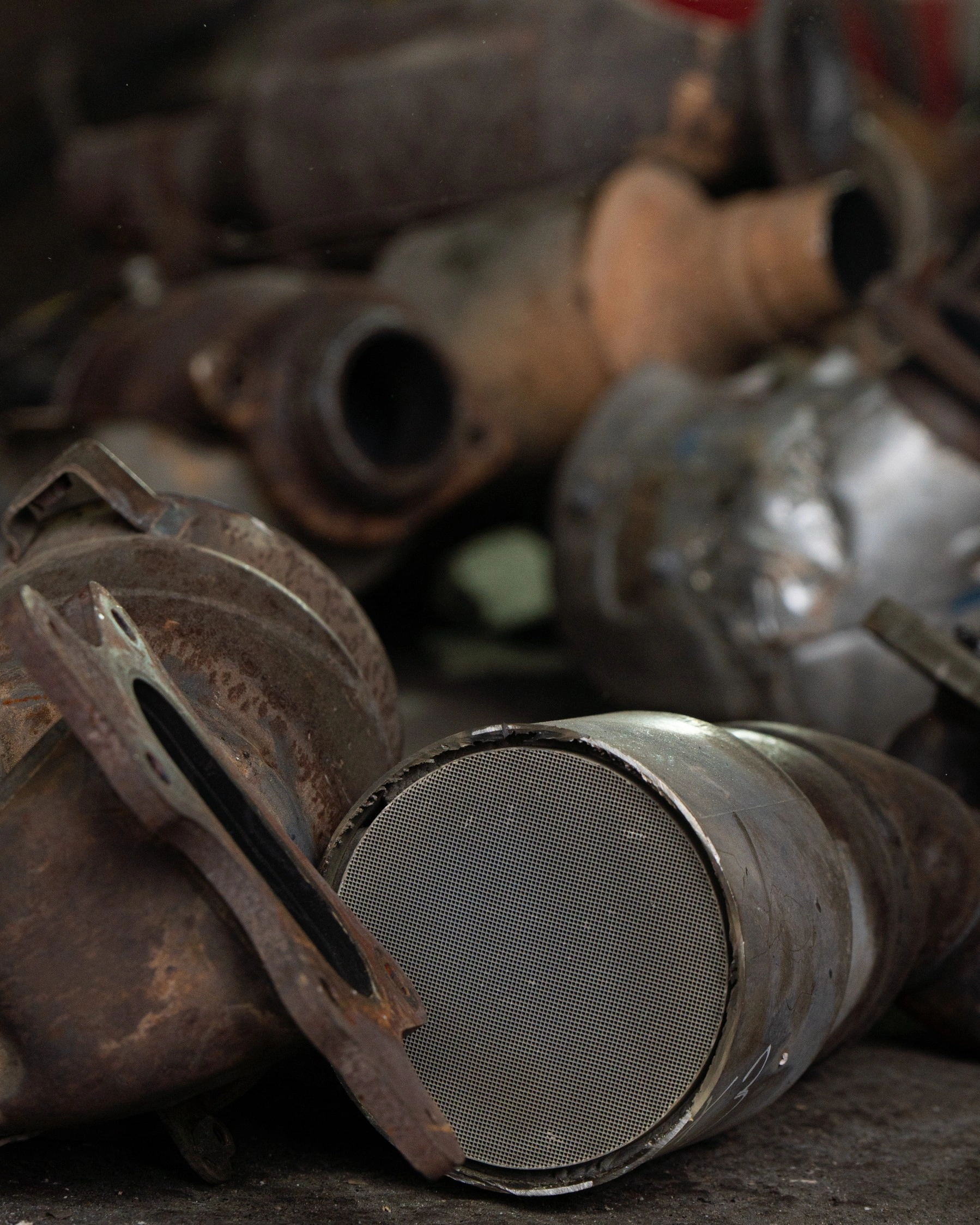
The process begins with the secure collection and transportation of end-of-life catalytic converters to recycling facilities. Here, they undergo a series of steps including de-canning, crushing, and then precise chemical analysis to recover the precious metals. This method ensures efficient extraction and maximum recovery while complying with strict environmental regulations. Done well, this catalytic converter salvage recovers the maximum precious metal from every unit. For a full breakdown, see our step-by-step guide on how catalytic converter recycling works.
Each of these stages deserves a closer look, from the moment a unit is collected to the point where payment is calculated. Our complete guide to catalytic converter recycling and the process behind it walks through all six steps, explains what determines the value of a spent unit, and covers the preparation that helps sellers get a fair assessment.
Market Dynamics and Pricing
Understanding the market dynamics of catalytic converter scrap prices in South Africa is critical for companies involved in recycling. Prices fluctuate based on the global metals market, so staying informed is crucial to profitability. Businesses need to stay on top of these changes to optimize their operations and profitability.
Choosing the Right Catalytic Converter Refinery Near You
For businesses and individuals in Southern Africa, choosing a recycler who adheres to the highest standards of data destruction and environmental compliance is critical. This not only ensures legal compliance but also protects your brand reputation. If you are searching for a catalytic converter refinery near me, prioritise one that is licensed, ISO-certified, and transparent about how it prices your unit.
Conclusion
Catalytic converter recycling is not just a regulatory requirement but a step toward a sustainable future. By choosing the right partners and keeping abreast of market trends, companies can positively impact the environment and their profitability. To go deeper, see our guides on common catalytic converter recycling myths debunked and whether to sell or recycle an old converter.
FAQ
Why is catalytic converter recycling important in South Africa?
Catalytic converter recycling is important because it recovers scarce precious metals – platinum, palladium, and rhodium – while keeping hazardous materials out of landfills. In South Africa, strong local demand and international trade interest, together with environmental regulations, make responsible, compliant recycling both an economic and an environmental priority.
What metals are recovered from a catalytic converter?
The main metals recovered are the platinum-group metals: platinum, palladium, and rhodium. They are valuable and in limited supply, which is why recovering them through recycling eases mining pressure and gives end-of-life converters real financial value.
How does the catalytic converter recycling process work?
The process starts with the secure collection and transport of end-of-life converters to a recycling facility. There, each unit is de-canned, the ceramic core is crushed, and the material undergoes precise chemical analysis to recover the precious metals – all under strict environmental compliance.
What affects catalytic converter scrap prices in South Africa?
Scrap prices are driven mainly by the recoverable platinum, palladium, and rhodium in the unit, priced against the global metals market, which moves daily. The vehicle’s make and model and the converter’s condition also affect value, so an accurate figure comes from analysing the specific unit rather than applying a flat rate.
How do I choose a compliant catalytic converter recycler in South Africa?
Choose a recycler that is licensed and ISO-certified, follows the Second-Hand Goods Act and environmental regulations, and is transparent about how it prices your unit. A compliant recycler protects you legally and reputationally, and should be able to explain its collection, analysis, and payment process clearly.