
Key Takeaways
- Value is set by precious-metal content – platinum, palladium and rhodium – and by current market prices, not by a fixed list.
- In South Africa, scrap value ranges from about R500 for a small petrol unit to R25,000 or more for a high-PGM diesel or large-SUV converter.
- Converter codes indicate a unit’s likely metal content and origin, but a code is a starting point – not a final price.
- An assay-based quote reflects your unit’s actual metal content; flat per-unit pricing can undervalue a converter by 30-60%.
- PGM prices have risen sharply, with rhodium and platinum reaching multi-year highs into 2026 – so timing matters.
- Sell through a compliant recycler with proof of ownership; South Group operates in Johannesburg, Cape Town, Durban and Pretoria.
How catalytic converter scrap prices are set in South Africa
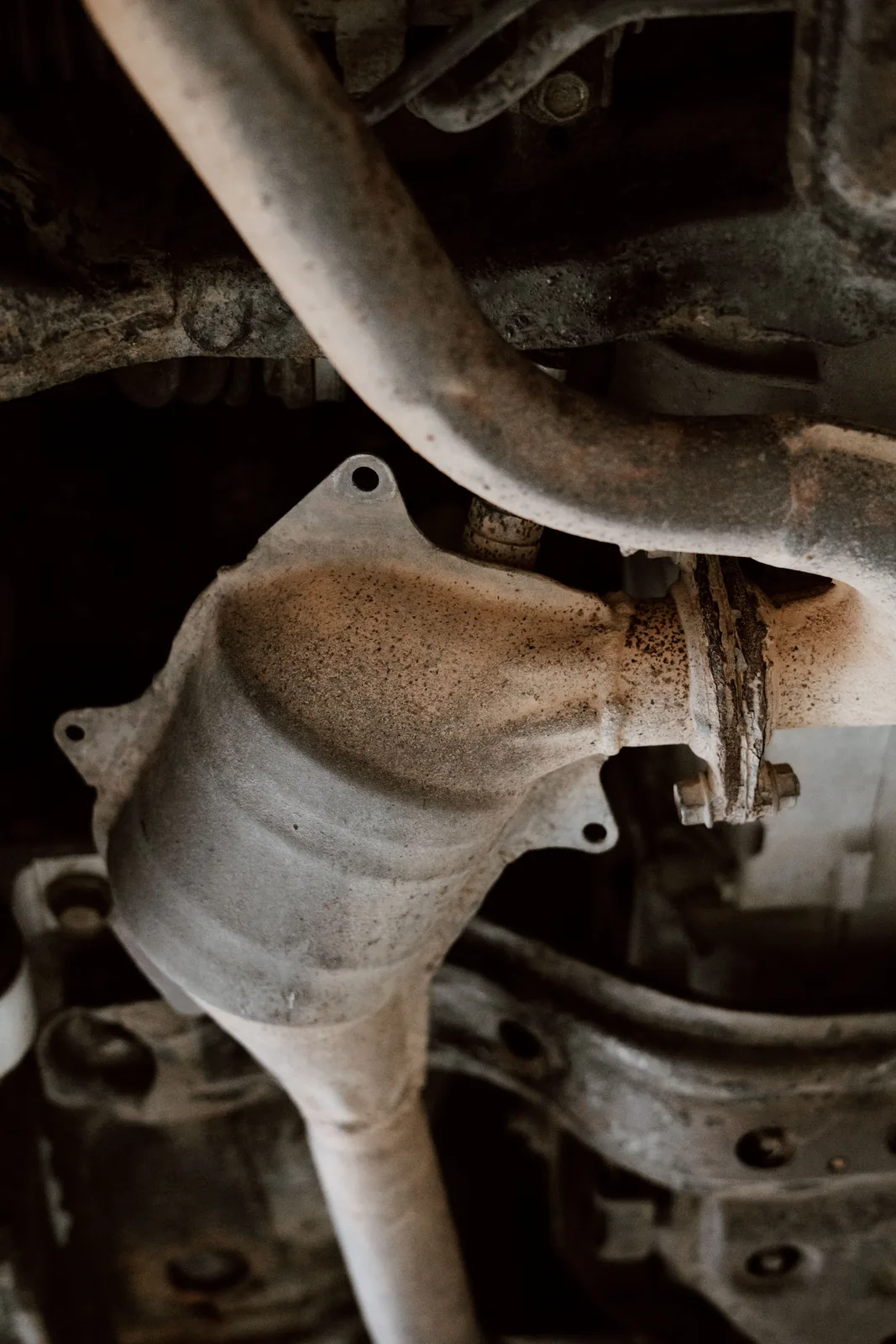
The catalytic converter scrap price for any unit is driven by its recoverable precious metals and the day’s market. A single converter typically holds between 1 and 15 grams of platinum, palladium and rhodium combined, depending on engine size and whether the vehicle is petrol or diesel. In South Africa that translates to a scrap value of roughly R500 for a small petrol car’s unit, up to R25,000 or more for a high-PGM diesel or large-SUV converter.What drives the number
Three factors move the number: the metal content of your specific unit, the current prices of platinum, palladium and rhodium, and the condition of the converter. A complete, intact unit assesses more reliably than a gutted or damaged shell. Because prices track the metals markets, a quote reflects the day it is given rather than a permanent figure. Petrol and diesel units also differ in make-up: diesel converters tend to carry more platinum, while petrol units lean towards palladium and rhodium, so two cars of similar size can still assess quite differently.Is there a fixed catalytic converter price list?
When people search for a catalytic converter price list, they usually expect a single, permanent chart. In practice, price lists are reference tools rather than fixed price tags. Buyers use catalogues and internal coding systems to estimate a unit’s likely PGM content, then adjust the quote for current metal markets, the unit’s condition and local demand. That is why a forwarded screenshot or an outdated table is not the best guide. A list can tell you roughly where a unit sits, but the reliable figure comes from assessing your specific converter under current conditions. Treat any published list as a starting point, not a promise.Catalytic converter codes and prices South Africa: how codes work
Understanding catalytic converter codes and prices South Africa starts with the serial or part codes stamped on the unit. These codes indicate a converter’s likely metal content and origin, which lets a buyer match it against a database and estimate value. At South Group Recycling, units are decoded and evaluated with analysis equipment rather than guesswork.Why a code is only a starting point
A code, however, is only an indicator. Two converters with similar markings can still differ once measured, because wear, contamination and missing internals all affect recoverable metal. So codes narrow down the range, and analysis confirms the figure. The combination of code analysis and a regularly updated reference list is what produces an accurate, transparent quote. This is also why a photo sent by message is rarely enough on its own – the code helps, but the physical unit still needs to be seen and measured before a firm figure can be given.How to do a catalytic converter price check
A proper catalytic converter price check is based on measurement, not a badge or a photo alone. The most accurate method is an assay that measures the actual platinum, palladium and rhodium in your unit. This matters because flat “per unit” pricing can undervalue a converter by 30 to 60 percent compared with assay-based pricing, which reflects what your specific unit truly contains.Steps to check your price
To check your price, have the converter identified by its code and then assessed. Ask whether the quote is based on an assay, whether it reflects current market prices, and whether collection and payment terms are clear. If you are unsure whether the fault is the converter or a cheaper sensor, it is worth confirming before you sell, and comparing quotes from trusted catalytic converter buyers. Transparency beats a headline number every time.Assay vs flat per-unit pricing
How a converter is priced makes a real difference to what you are paid. Here is how the two common approaches compare.
Flat per-unit pricing
- •Applies one rate regardless of what your unit actually contains.
- •Ignores the specific platinum, palladium and rhodium in your converter.
- •Can undervalue a converter by 30-60%.
- •Fast, but a rough average rather than a true figure.
Assay-based pricing
Recommended- •Measures the actual platinum, palladium and rhodium in your unit.
- •Reflects your converter’s real metal content, not an average.
- •Priced against current market prices on the day.
- •Transparent and evidence-based, so you can trust the quote.
Bottom line: Always ask whether a quote is assay-based. Measuring your specific unit is the difference between a fair payout and leaving value on the table.
Used catalytic converter prices: what affects them
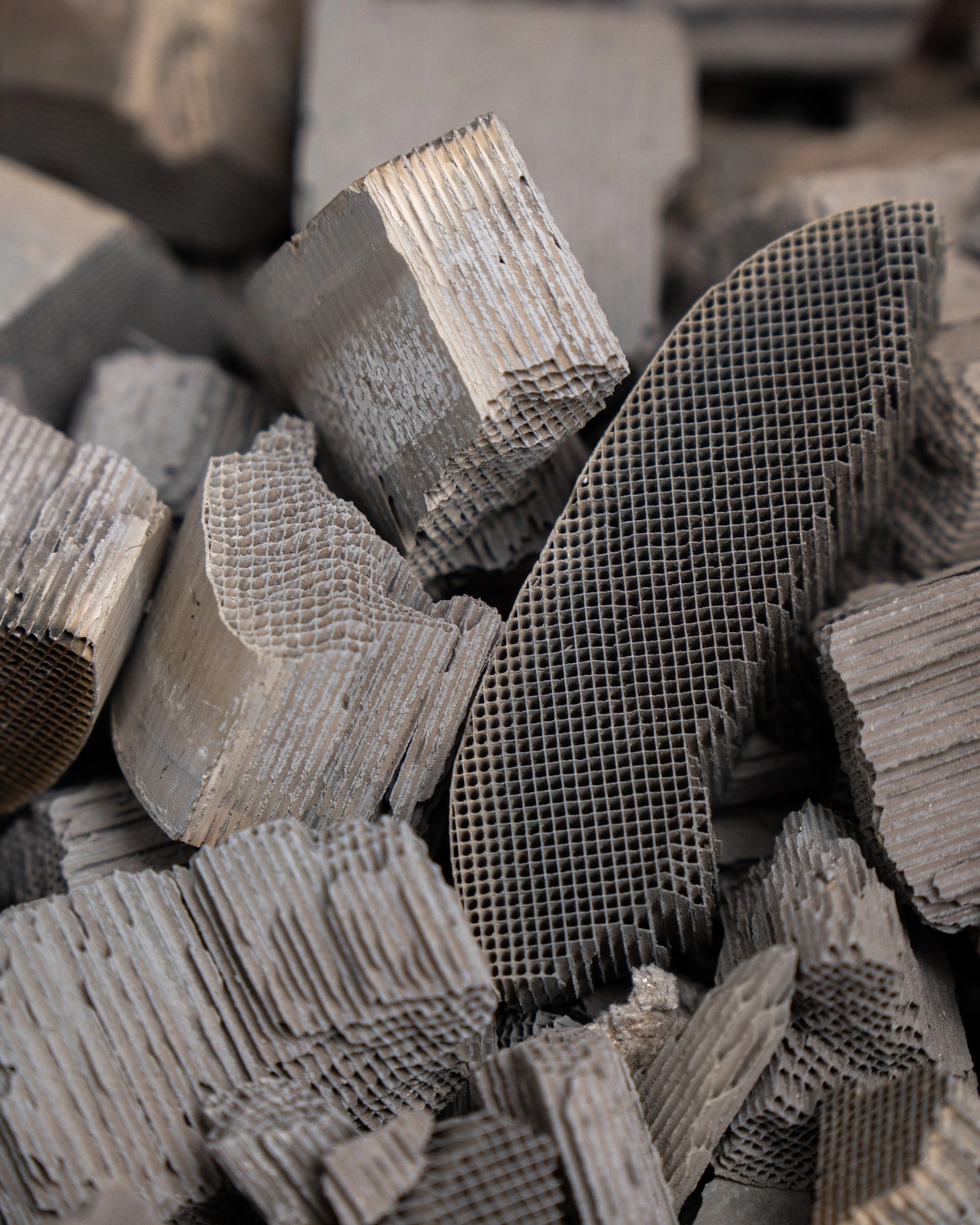
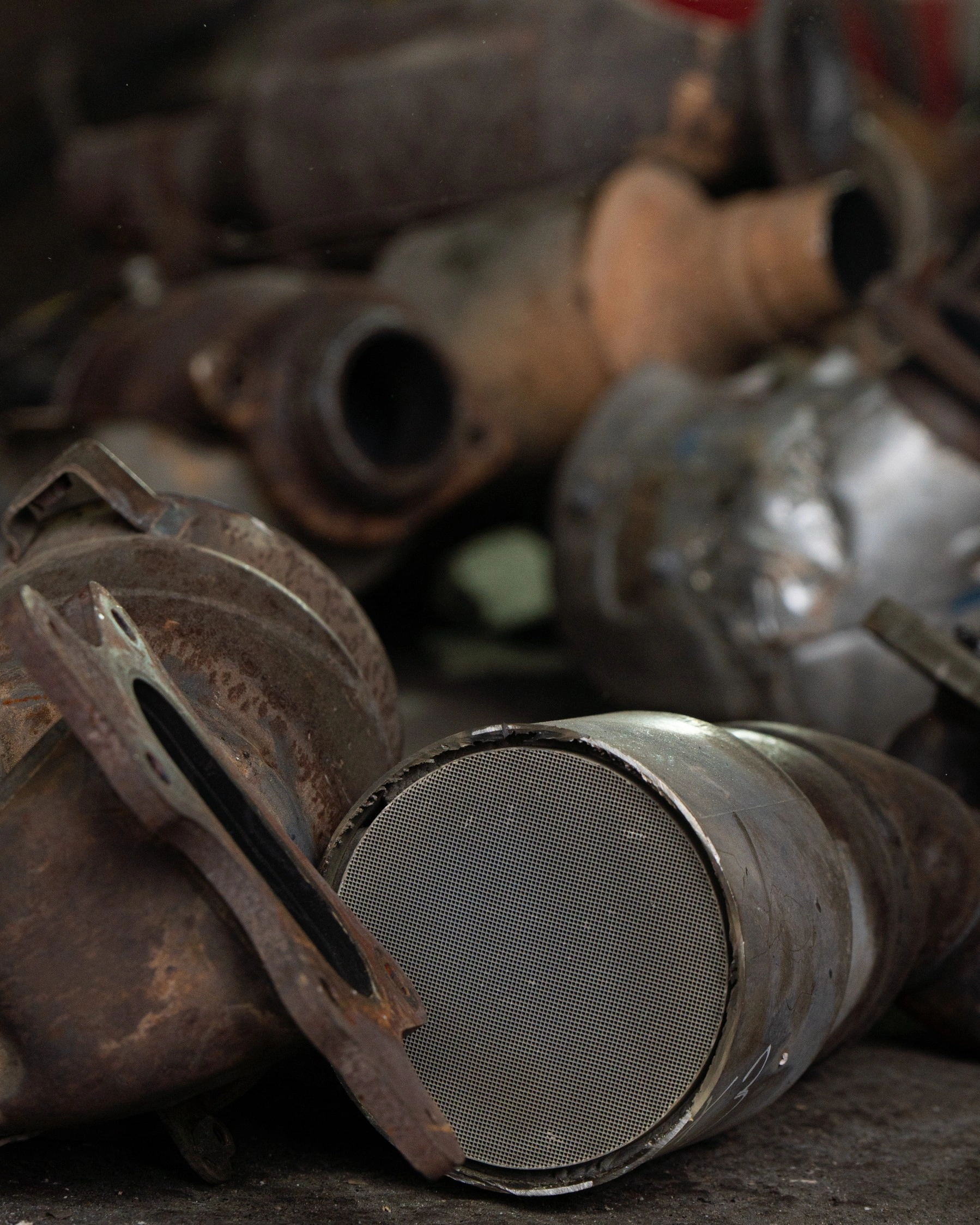
Used catalytic converter prices depend on the same fundamentals – metal content and market – plus the realities of a second-hand part. Condition is decisive: an intact honeycomb with its coating in place is worth more than a rattling, contaminated or partly emptied unit. Vehicle type matters too, since larger engines, diesels and some hybrids carry higher loadings. A used unit that has already had its internals tampered with, or that is missing sections, will always assess lower, because the recoverable metal is simply not there any more.Condition and model differences
Popular models also vary widely, since larger and higher-loading vehicles carry more valuable units. To keep track of where the market sits before you sell, see South Group’s guide on how to stay updated on catalytic converter scrap prices. As always, the reliable figure comes from assessing the actual part.PGM prices and timing: why now matters
Because value tracks the metals markets, timing affects what you are paid. Platinum-group metal prices have risen strongly: rhodium climbed sharply through 2025 and platinum reached multi-year highs heading into 2026, and the momentum has carried forward. For sellers, that means the PGMs inside an old converter are worth considerably more than a year ago. According to Johnson Matthey’s 2026 PGM Market Report, autocatalyst recycling is a major secondary source of these metals, and demand has remained firm. For a South African view of the current cycle, read South Group’s analysis on whether catalytic converter value season is back. Watching the market helps you choose a good moment to sell.Getting a fair, compliant valuation
A fair valuation rests on measurement and compliance. An assay-based quote reflects your unit’s real metal content, and a review published on ScienceDirect notes that spent converters can hold precious metals at higher concentrations than natural ore – which is exactly why accurate measurement is worth insisting on.Compliance and proof of ownership
What to bring when you sell
Compliance protects you as well. Because converter theft is a serious problem in South Africa, legitimate recyclers require proof of ownership in line with second-hand goods rules. South Group Recycling operates across Johannesburg, Cape Town, Durban and Pretoria, offering drop-off and free bulk collection, with quotes based on assay rather than flat rates. Payment is transparent, and every transaction is documented, which protects both the seller and the buyer.| What you have | How value is judged |
|---|---|
| Converter code / markings | Indicates likely metal content and origin – a starting point |
| Intact, complete unit | Assesses reliably; typically higher value |
| Damaged or gutted unit | Lower recoverable metal; value drops |
| Assay result | Confirms actual platinum, palladium and rhodium – the fair figure |
Conclusion
Catalytic converter scrap prices in South Africa are not a fixed chart – they are a live reflection of the platinum, palladium and rhodium inside your unit. Codes point to the likely range, condition adjusts it, and an assay confirms the fair figure. With PGM prices at multi-year highs, an accurate, compliant valuation is the difference between a fair payout and leaving value on the table. To find out what your unit is worth, get a valuation from South Group Recycling.FAQ
How much is a catalytic converter worth in South Africa?
It depends on the platinum, palladium and rhodium inside, so there is no single figure. As a rough guide, scrap value ranges from about R500 for a small petrol car’s unit to R25,000 or more for a high-PGM diesel or large-SUV converter. The only accurate figure comes from assessing your specific unit against current market prices.
Is there a catalytic converter price list for South Africa?
There are reference lists, but no permanent fixed chart. Buyers use coding systems and catalogues to estimate a unit’s likely metal content, then adjust for current metal markets, condition and demand. Treat any published list as a starting point and get your specific converter assessed for an accurate quote.
What do catalytic converter codes mean?
Serial or part codes stamped on a converter indicate its likely metal content and origin, letting a buyer match it against a database. A code narrows the value range, but it is not a final price – wear, contamination and missing internals all affect the recoverable metal, so an assay confirms the figure.
How can I check my catalytic converter price?
Have the unit identified by its code and then assessed by assay, which measures the actual platinum, palladium and rhodium content. Ask whether the quote is assay-based, whether it reflects current market prices, and whether collection and payment terms are clear. That gives a figure grounded in data rather than guesswork.
Why do assay-based prices differ from flat per-unit prices?
A flat per unit price applies a single rate regardless of what a converter actually contains, which can undervalue it by 30 to 60 percent. An assay measures the real metal content of your specific unit, so the quote reflects its true worth rather than an average.
Which cars have the most valuable converters in South Africa?
Larger engines, diesels and some hybrids generally carry higher precious-metal loadings, so their converters tend to be worth more. High-clearance models such as the Toyota Hilux, Fortuner and Land Cruiser are also frequent theft targets for this reason. Even so, the exact value depends on the specific unit and must be confirmed by assessment.
What documents do I need to sell a catalytic converter in South Africa?
Because converter theft is widespread, compliant recyclers require proof of ownership in line with second-hand goods rules, along with your identification. Keeping the vehicle details and any invoice from a replacement job helps confirm provenance and makes the sale smoother and fully legitimate.
Are catalytic converter prices going up in 2026?
Platinum-group metal prices have risen strongly, with rhodium and platinum reaching multi-year highs heading into 2026, which supports higher converter values than a year ago. Prices still move daily, though, so the best figure comes from checking the current market at the time you sell.