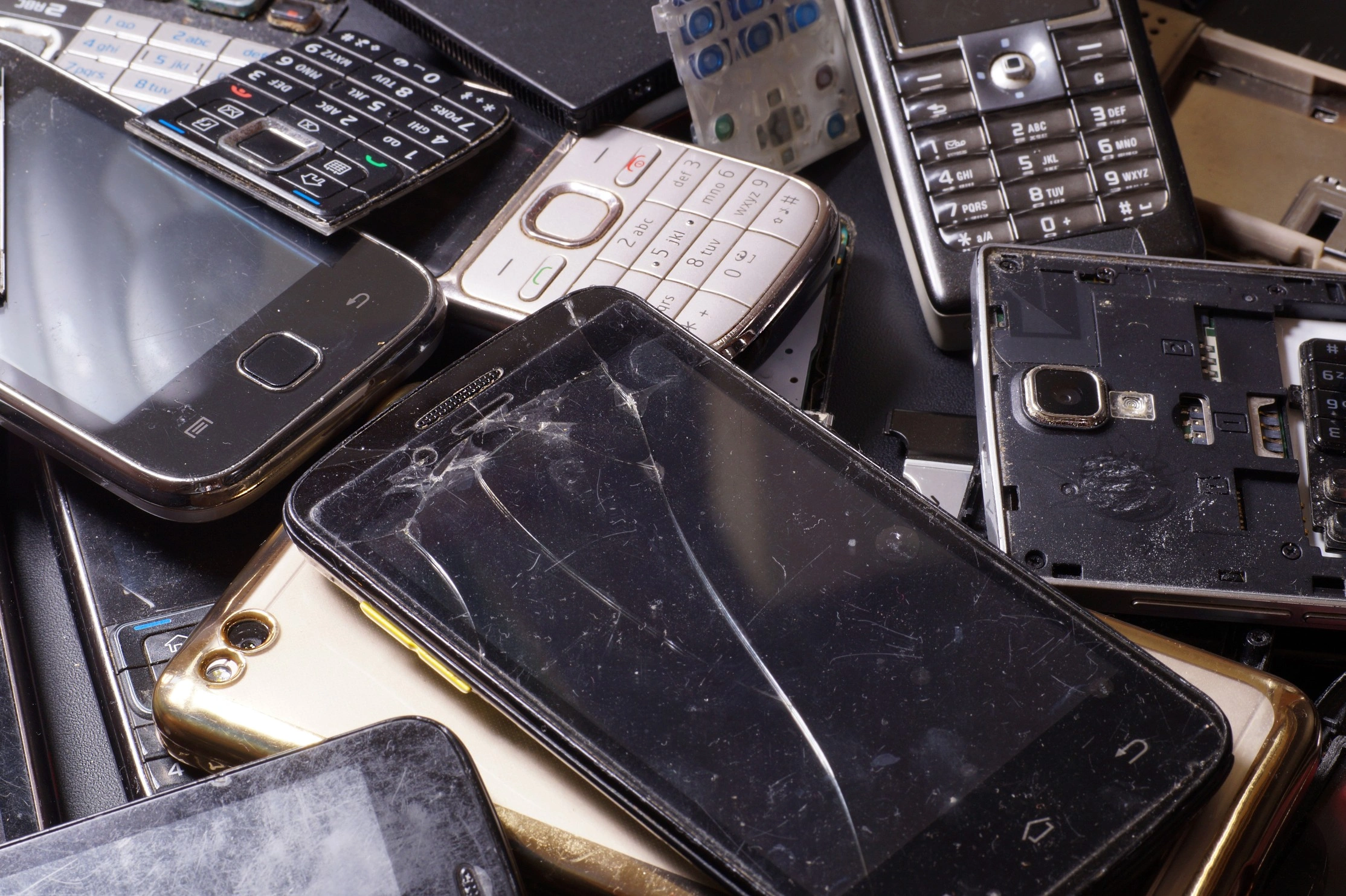

Introduction: If you have an old phone in a drawer, you are not keeping a harmless backup. You are storing a small device with a battery, mixed metals, plastics, glass, and sensitive data. The longer it sits there, the less useful it becomes and the more likely it is to end up damaged, forgotten, or thrown out the wrong way. A clear e waste management route helps you clear clutter, lower risk, and keep valuable materials in the right recycling stream.
Key Takeaways
- Old phones are not harmless drawer junk.
- Lithium batteries can swell, leak, or catch fire if damaged.
- Stored phones lose value the longer they sit unused.
- General bins are the wrong place for phones and batteries.
- Erase your data, remove cards, and separate damaged devices.
- Use a recycler that can handle batteries and mixed electronics safely.
Why is an old phone in a drawer a problem?
Because it is not just clutter. It is a stored battery device that can become a safety, environmental, and data issue over time.
Many people keep old handsets as spares, for photos, or because they plan to deal with them later. However, later often turns into years. Chargers go missing, batteries age, screens crack, and no one knows what to do with the pile.
That habit matters. A phone is small, but it is still part of the wider electronics waste stream. When millions of devices sit idle in homes, offices, and garages, useful materials stay locked away and damaged batteries drift closer to the wrong exit route, such as a household bin.
If you have been hoarding old electronics, you are not alone. The key is to stop treating those phones as harmless drawer fillers and start treating them like items that need proper handling.
What becomes risky inside an unused phone?
The biggest concern is the battery. A phone may look dead on the outside while the battery inside slowly degrades.
Most old smartphones contain lithium-ion batteries. As batteries age, they can lose stability. Heat, moisture, crushing, and poor storage make things worse. A swollen battery, a phone with a cracked casing, or a device that has been left in a hot car or garage deserves attention now, not next month.
The rest of the device matters too. Phones contain mixed materials that should stay in controlled recycling channels. When a device breaks apart in a drawer, bag, or bin, those materials are no longer easy to recover cleanly. That is bad for safety and bad for resource recovery.
Can a dead phone really start a fire?
Yes, it can, especially if the battery is damaged, swollen, punctured, or exposed to pressure and heat. A dead screen does not mean a dead risk.
Battery fires are not just a warehouse problem. As Overstrand Municipality reported, a battery sparked a fire in a refuse truck. That shows what can happen when battery-powered items enter the general waste stream and get compacted or crushed.
A phone sitting quietly in a drawer is less exposed than one inside a refuse truck, but the lesson is the same. Batteries need care. If an old phone feels hot, looks swollen, smells strange, or has visible damage, do not charge it and do not throw it in household waste.
That is one reason electronic waste recycling matters. It gives damaged or unwanted devices a safer path than storage, dumping, or accidental mixing with general rubbish.
What warning signs show that a stored phone needs attention now?
Look for physical change, heat, or damage. If you see any of the signs below, move the phone out of long-term storage and arrange proper recycling.
| Warning sign | What it may mean | What to do |
|---|---|---|
| Back cover lifting or screen bulging | The battery may be swelling | Do not charge it, keep it away from heat, and send it to a recycler soon |
| Cracked casing or bent frame | Internal parts may be under pressure or exposed | Handle gently and avoid storing it with other devices |
| Phone gets hot without normal use | The battery or charging system may be unstable | Power it down if possible and stop using it |
| Corrosion, leakage, or a strange smell | Material breakdown may already be happening | Isolate the device and seek safe recycling help |
| Loose phone in a junk drawer with keys or tools | Physical damage can happen over time | Move it to a dry, cool, protected spot until handover |
Why do people keep old phones for so long?
Usually for simple reasons. Data, convenience, and uncertainty keep phones stuck in storage far longer than planned.
Some people worry about photos, messages, or banking apps. Others keep an old handset as an emergency backup. Many just do not know where to take it. That is why search terms such as recycle old telephones, recycle old electronics, and recycle old electronics near me are so common. People want a local, trusted answer.
There is also a mental trap here. Because a phone is small, it does not feel urgent. A broken TV takes up space, so it gets dealt with. A phone slips into a drawer, so it gets ignored. Then one old device becomes three, then five, along with tangled chargers, earbuds, power banks, and cracked tablets.
If that sounds familiar, it helps to follow a simple disposal process. South Group Recycling explains the basics clearly in its guide on how to properly dispose of old electronic devices, which is useful if you have a mixed pile of gadgets at home or work.
What value are you losing by keeping dead phones?
What’s Inside Your Old Smartphone?
A typical phone is a small package of mixed materials — some recoverable, some hazardous. Here is what every device contains and what happens to each part after recycling.
| Material | What’s inside | Share | Recycling outcome |
|---|---|---|---|
| Plastics and glass | Outer casing, screen, internal housings | 40–50% | Recoverable through specialist processing |
| Common metals | Copper, aluminium, steel | 20–30% | Fully recoverable, re-enters metal supply |
| Battery materials | Lithium, cobalt, manganese, nickel | 10–15% | Recoverable, but hazardous if mishandled |
| Precious metals | Gold, silver, palladium, platinum, rare earths | 5–10% | High recovery value, industrial reuse |
| Toxic substances | Lead, mercury, cadmium, brominated flame retardants | Under 5% | Must be contained, never landfilled |
You are losing material value, possible reuse value, and space. The longer a phone sits forgotten, the fewer recovery options you usually have.
Some devices still have resale or refurbishment value if they work. Others may be useful for parts. Even fully dead phones contain recoverable materials, but that only helps if they reach a proper recycling stream while the device is still intact.
According to The Global E-waste Monitor 2024, the world generated 62 million tonnes of e-waste in 2022, and only 22.3% was documented as formally collected and recycled. That gap means a huge amount of material remains lost, unmanaged, or handled outside formal systems.
Old phones are a small part of that big picture, but they add up fast. A drawer full of retired devices is not just dead tech. It is delayed recovery.
Sending devices into a proper e waste stream keeps materials in circulation and cuts the chance that damaged batteries end up in general waste or informal dumping.
If you want a good overview of why older gadgets still matter, South Group Recycling also covers the hidden value in old electronics. That is a useful reminder that even obsolete devices can still serve a purpose once they leave your drawer.
What should you do with phones in different conditions?
The right next step depends on the phone’s condition. The table below shows a simple way to sort your devices before you hand them over.
| Phone condition | Likely next step | Why that makes sense |
|---|---|---|
| Works well and holds charge | Back up, erase, and assess reuse or resale first | You may still recover direct value before recycling |
| Turns on but is outdated or slow | Erase it and send it for formal device handling | It may still have parts value or material recovery value |
| Dead but physically intact | Store safely for a short time and book recycling | It is easier to process if not broken or contaminated |
| Battery swollen or phone damaged | Isolate it and move it out quickly through a recycler | Safety becomes the top concern |
| Wet, burnt, or heavily corroded | Do not test or charge it again | Damage may be hidden and the battery may be unstable |
How should you prepare an old smartphone before recycling in South Africa?
Start with your data. Then make the device safe to store and transport.
If you want to dispose old smartphone South Africa without stress, keep the process simple. You do not need a technical background. You just need a short checklist and a trusted recycler.
What are the basic prep steps?
Back up what you need, remove personal access, and keep the device physically safe. Those three steps cover most household situations.
- Back up photos, contacts, notes, and files.
- Sign out of email, cloud, banking, and app stores.
- Remove the SIM card and memory card.
- Factory reset the phone if it still powers on.
- Do not tape a damaged screen with heavy pressure if the phone is bulging.
- Keep each device separate instead of tossing several into one box.
- Store it in a cool, dry place until handover.
For businesses, schools, and offices, add an internal record of what was removed and when. That helps with data control and asset tracking.
What if the battery is swollen or the phone is damaged?
Do not charge it again. Do not crush it, puncture it, or leave it in direct sun.
Move the device away from paper, fabrics, and heat sources. If possible, place it in a non-flammable container or on a non-flammable surface while you arrange collection or drop-off. Keep it where children and pets cannot reach it. If the device is smoking, hissing, or very hot, treat it as urgent and keep clear.
The goal is simple. Keep the phone stable for a short time, then get it out of the house or office through the right route.
Where should you take old phones instead of storing them?
Take them to a recycler that handles batteries and mixed electronics properly. Do not leave them for general waste collection.
This is where people often get stuck. They know the phone should go, but they do not know who should take it. A decent recycler should be able to explain what happens to devices, how batteries are handled, and what you should do before handover.
What should you ask before handing a phone over?
Ask a few direct questions. Clear answers matter more than fancy claims.
- Do you accept phones with built-in lithium batteries?
- Can you handle damaged or swollen devices?
- What should I do with my data before drop-off?
- Do you process mixed electronics, or only certain items?
- If I am a business, can you provide records for collected items?
Those questions help you avoid the wrong outlet. They also help you move faster, because you know exactly how to pack and separate what you have.
When is it time to stop storing and act now?
If you have more than one old phone, the time is now. If any device is damaged, the time is now.
There is rarely a good reason to keep a dead handset for another year. If you truly need a backup phone, keep one working device, charge it safely from time to time, and recycle the rest. That approach is far safer than a drawer full of unknown battery condition.
A practical next step is to gather every retired phone, charger, cable, power bank, and small device in one place this week. Sort what still works from what is clearly finished. Then move the finished pile into ewaste recycling instead of keeping it in storage.
Why does recycling old phones matter beyond your home?
Because one small drawer habit becomes a much bigger national waste problem when repeated across thousands of homes and offices. Recycling cuts risk and supports better material recovery.
South Africa has been placing more public attention on electronics waste, and that matters. Phones, laptops, chargers, and batteries are now everyday waste items with real handling needs. When they stay in drawers, they are delayed. When they go into bins, they become dangerous or harder to recover.
On a personal level, clearing out old phones frees space and removes uncertainty. On a wider level, it supports formal recycling channels instead of leakage into unsafe disposal routes. That is better for households, workplaces, collection systems, and resource recovery.
Summary
An old phone in a drawer is not harmless clutter. It is a battery device with stored data and recoverable material value. Over time, unused phones can become harder to reuse, less safe to store, and more likely to end up in the wrong waste stream. The smart move is simple: collect them, sort them, erase what matters, separate damaged units, and send them through a proper recycler. If you need a local route in South Africa, South Group Recycling offers services across four locations, which makes it easier to move old devices out of storage and into responsible handling.
FAQ
How do I safely wipe data from an old phone before recycling it?
To safely wipe data, follow four steps in order: back up anything you need, sign out of all accounts (email, cloud, banking, social media), remove the SIM and memory cards, then perform a factory reset. For Android phones, enable encryption before resetting under Settings > Security — this scrambles any leftover data so it cannot be recovered later. For iPhones, encryption is automatic, so a factory reset under Settings > General > Transfer or Reset iPhone is enough. A regular factory reset alone is not always 100% secure on older Android devices, which is why encryption first matters. If the phone is broken or will not turn on, a specialist recycler can still destroy the data physically.
Can old phones really catch fire or explode while sitting in a drawer?
Yes, but the risk depends on the condition of the battery. Lithium-ion batteries inside phones degrade over time, and damaged, swollen, or punctured batteries can overheat, leak chemicals, or ignite without warning. Signs of a dangerous battery include a lifting back cover, bulging screen, strange smell, or a phone that feels warm when not in use. Drawer storage with keys, coins, or tools nearby increases physical damage risk. The safest approach is to keep old phones in a dry, cool place separated from other items until you can recycle them — and never charge a phone that shows any signs of battery damage.
Are old phones worth any money, or should I just recycle them?
Many old phones still hold real value. Industry data suggests the average old phone fetches around $50–$100 (R900–R1,800) on trade-in or resale platforms, with newer flagship models reaching higher. Even phones that no longer work can be worth a few rand because they contain recoverable metals like copper, gold, palladium, and rare earth elements. The best approach is to assess the phone first: if it works and is less than 5 years old, sell or trade it in; if it is older, broken, or has battery damage, send it directly to a recycler. Either way, the financial loss of leaving it in a drawer increases the longer it sits.
Do I need to remove the battery before recycling a phone?
For most modern smartphones, no — and you should not try. Today’s phones have sealed batteries that require specialist tools to remove safely, and forcing one out risks puncturing the battery and causing a fire or chemical leak. A licensed e-waste recycler has the equipment and trained staff to remove and process batteries separately under safe conditions. The exception is older phones with user-removable battery covers, where the battery can simply slide or pop out — those should be taken out and recycled in a dedicated battery collection bin, not the same one as the phone shell.
What harm does an old phone cause if I throw it in the regular bin?
Throwing a phone in regular household waste creates three real harms. First, the lithium battery can rupture under compaction in a refuse truck and start a fire — this has happened in South Africa, including the Overstrand Municipality refuse truck incident. Second, toxic substances inside the phone, including lead, mercury, cadmium, and brominated flame retardants, can leach into soil and groundwater from landfill, contaminating local water supplies. Third, your personal data may still be recoverable from the phone’s memory chips, exposing you to identity theft. Recycling through a licensed e-waste handler avoids all three risks and keeps recoverable materials in circulation.