
Overview: If you have a used converter, you have three options: sell it to a recycler, have it priced, or list it for sale yourself. This guide explains what used catalytic converter prices are based on, when selling to a specialist beats listing a unit for sale, and how to check a fair figure before you commit – written for owners, workshops, and dismantlers across South Africa.
Key Takeaways
- Used catalytic converter prices are set by the platinum, palladium, and rhodium inside, priced against current metal markets – not by size or looks.
- Selling to a specialist recycler that assays the unit usually beats listing it “for sale” on a marketplace, both on value and on compliance.
- “Catalytic converter for sale near me” searches often mean sellers looking for a local buyer, not a shop – a licensed recycler is the safe route.
- Always check prices on used catalytic converters with an assay-based quote before accepting any offer.
- In South Africa you must be able to prove ownership; reputable buyers require it to keep stolen units out of the trade.
- South Group Recycling buys across Cape Town, Johannesburg, Durban, and Pretoria, with free collection for bulk lots.
What sets used catalytic converter prices?
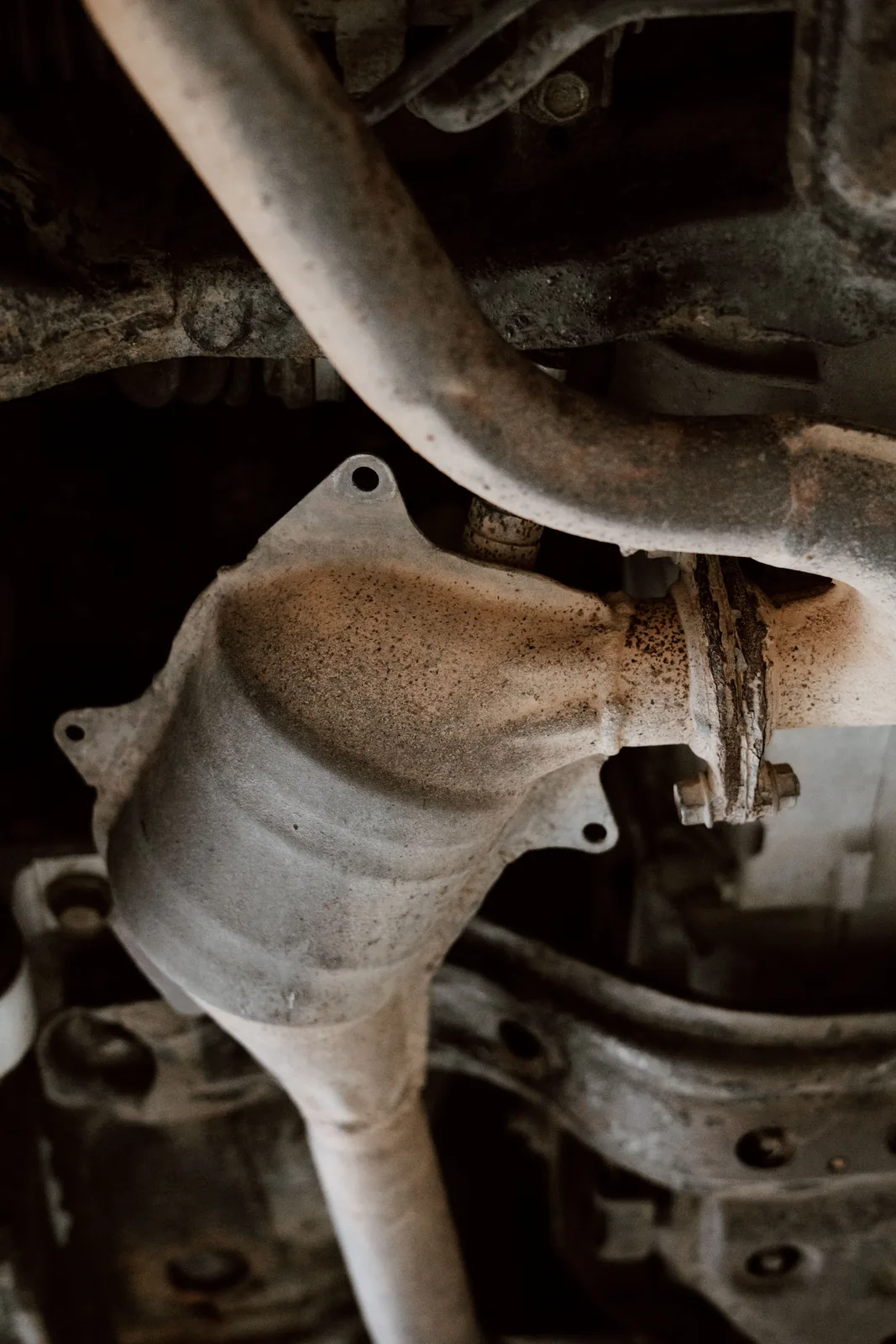
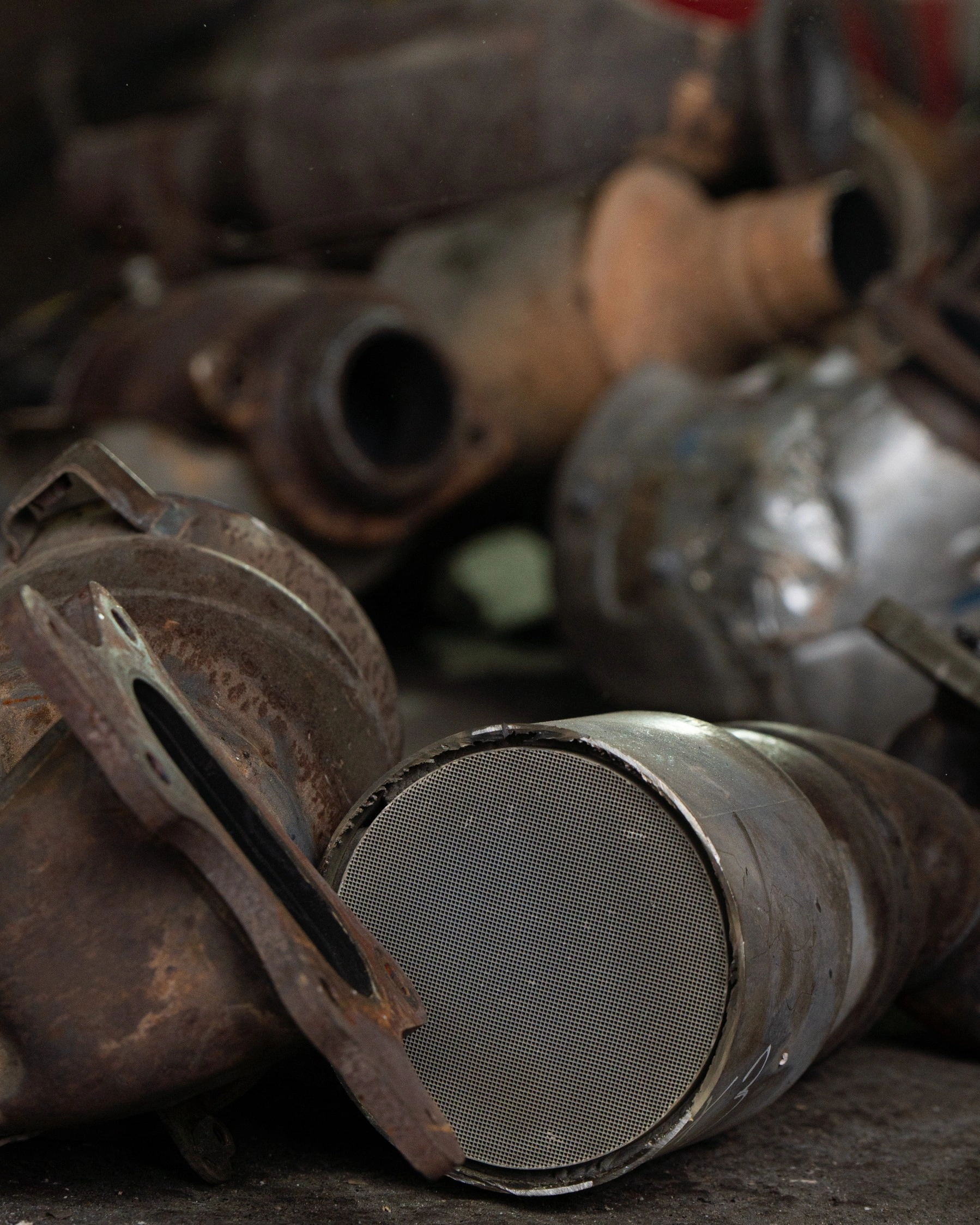
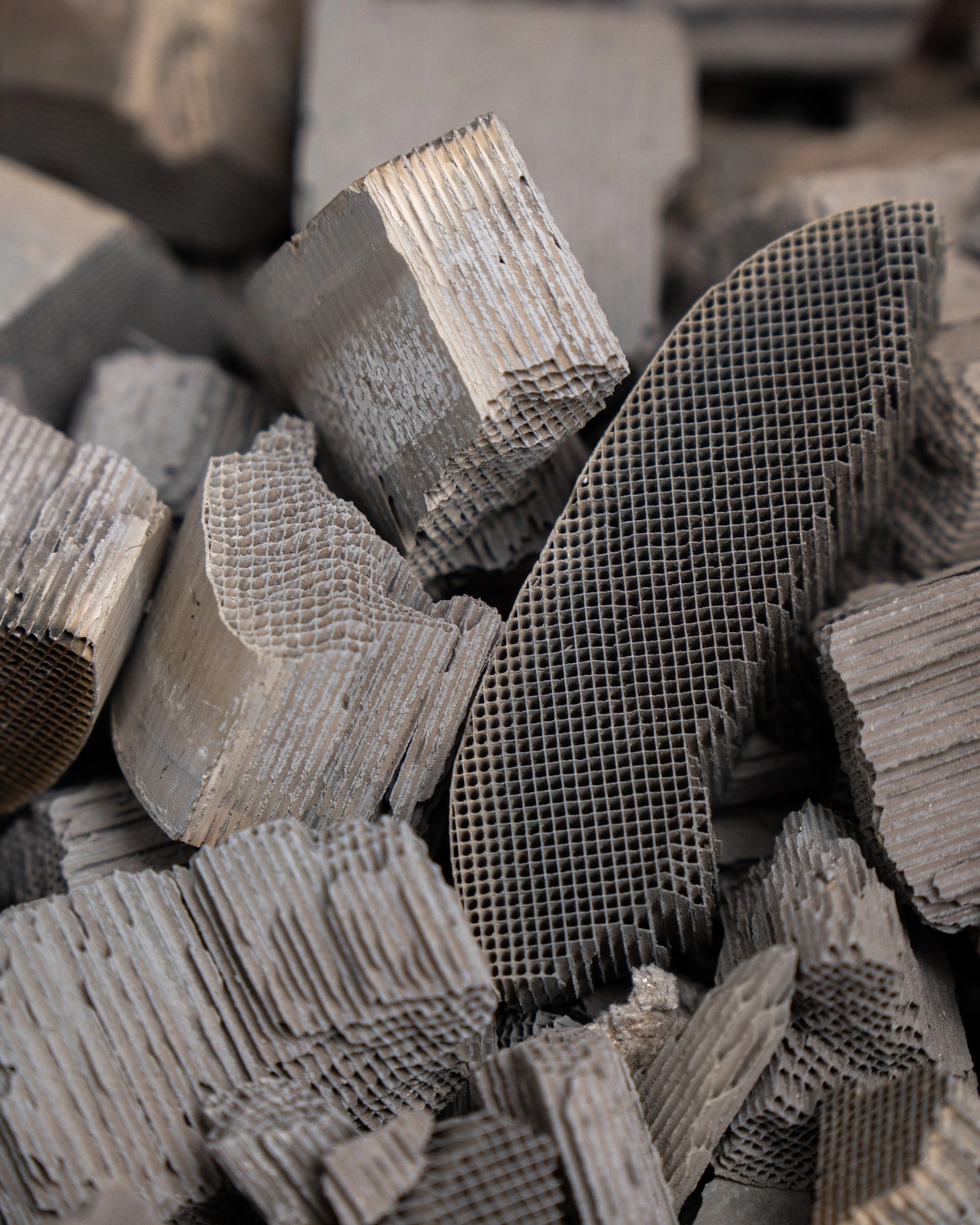
Used catalytic converter prices are set by the amount of platinum, palladium, and rhodium in the unit, valued against current metal-market prices, then adjusted for the vehicle type and condition. Because the value lives in the coated ceramic honeycomb rather than the steel shell, two converters that look identical can be worth very different amounts. This is why a flat, one-size figure rarely reflects real worth. According to a review published on ScienceDirect, spent converters contain precious metals at higher concentrations than natural ore and already supply a large share of Europe’s platinum-group-metal demand – a useful reminder of why a used unit holds genuine value. In South Africa, where platinum-group metals are a major industry, that value is well understood by established recyclers.Should you sell a used catalytic converter or list it for sale?
Sell, price, or list? Find your best route in two questions
Answer two quick questions to see whether to sell your used catalytic converter, price it first, or list it for sale.
-
1 Is the converter complete and can you prove it’s yours?
- If No → sort out ownership and keep the unit intact first; a recycler will need proof.
- If Yes → go to Step 2.
-
2 Do you want the best value with a compliant, documented sale?
- If Yes → Sell to a recycler (assay-based).
- If Not sure of the value → Get it priced first.
- Only in narrow cases (a complete, traceable unit for regulated reuse) → List it for sale.
Sell to a recycler (assay-based)
An assay pays for the real metal content and keeps the sale legal – best for most sellers.
Get it priced first
Get an assay-based quote so you know the true value before you decide. Quote is valid for that day.
List it for sale
Only worth it for a complete, traceable unit suitable for regulated reuse; the buyer guesses the value, so there is more risk.
Whichever route you choose, prices are based on precious-metal content and current markets – not on weight or looks.
When listing a used catalytic converter for sale makes sense
Listing a unit for sale can make sense only in narrow cases – for example, a complete, traceable converter suitable for regulated reuse. Otherwise, material recovery through an assay-based sale almost always returns more, because the buyer pays for the actual metal content rather than a rough marketplace estimate. If you are weighing the two paths, South Group’s guide on where to sell your catalytic converter lays out what to look for in a buyer.“Catalytic converter for sale near me”: what it means for sellers
Many “catalytic converter for sale near me” searches actually come from sellers looking for a nearby buyer, not shoppers looking for a part. If that is you, the safest and most rewarding route is a licensed local recycler rather than an informal cash buyer. A specialist assesses the unit properly, offers a fair figure, and completes the sale with the paperwork that protects you. Location still matters for convenience and collection. South Group Recycling operates across Cape Town, Johannesburg, Durban, and Pretoria, so a nearby option is usually within reach – see the guide on where to sell a catalytic converter near you in South Africa for the closest points and how collection works.Used catalytic converter for sale: is a used unit worth buying?
A “catalytic converter for sale” listing usually refers to a used or reconditioned unit, and whether it is worth buying depends on fit, legality, and condition. For a road vehicle, a replacement must be the correct type and, ideally, compliant – a mismatched or non-compliant unit can cause running problems and fail testing. This is why many buyers prefer a verified source over an anonymous listing. From a seller’s perspective, this same logic explains why recyclers pay well for the right units: the metal inside a used converter is valuable regardless of whether the part is resold or recovered. Rather than chase a private “for sale” deal, most South African sellers get a stronger, safer outcome from an assay-based sale to a recycler.How to check prices on used catalytic converters
To check prices on used catalytic converters, get an assay-based quote rather than relying on a generic online figure. The accurate number comes from identifying the unit and measuring its metal content, usually with XRF or ICP analysis, then applying current metal-market values. A reputable buyer will explain exactly how the figure was reached.Why timing affects prices on used catalytic converters
Because metal prices move, timing matters. According to Johnson Matthey’s 2026 PGM Market Report, strong platinum-group-metal prices are supporting a recovery in autocatalyst recycling, and rhodium in particular can swing sharply – which is why a quote is only meaningful against the day it was given. Tracking the trend loosely helps you recognise when prices on used catalytic converters are strong enough to sell.How to sell a used catalytic converter in South Africa
To sell a used catalytic converter in South Africa, choose a licensed recycler, have the unit assessed, and complete the sale with proof of ownership. Selling your own converter is legal, but you should be ready to show documentation that the unit came from your vehicle – reputable buyers require this to keep stolen converters out of the trade. This protects honest sellers and keeps the transaction clean.Drop-off, collection and payment
Practically, you can drop off single units or arrange free collection for bulk lots, and payment follows once the assessment is complete. For a full walk-through of buyer types and how pickup works, see the guide on who buys scrap catalytic converters and how collection works. Workshops and dismantlers with regular volume benefit most from a consistent collection arrangement.How to get the best price before you sell
You get the best price by keeping the converter intact, identifying it correctly, and selling to a buyer who assays rather than estimates. Do not cut the unit open or empty the honeycomb, as this removes the very material that carries the value. Note the vehicle make, model, and any part number, since accurate identification improves the offer.Simple steps that lift your payout
Small steps add up. Gather multiple units into a documented batch, keep them dry and complete, and time the sale with the market where you can. For a detailed checklist, South Group’s guide on maximising the value of your catalytic converter before recycling covers each step.| Route | Best for | Trade-off |
|---|---|---|
| Sell to a recycler (assay-based) | Most sellers wanting best value + compliance | Price tied to current metal market |
| List “for sale” privately | Complete, traceable units for regulated reuse | Buyer guesses value; more risk |
| Have it priced first | Anyone unsure of the value | Quote is valid for that day only |
Source: South Group Recycling – selling routes and valuation practice; figures confirmed by assay.
Conclusion
Sell, price, or list? For most South African sellers, the strongest and safest outcome is to have the unit assayed and sell it to a licensed recycler – you capture the real metal value and keep the sale compliant, rather than gambling on a private “for sale” listing. Check a fair figure first, keep the converter intact, and be ready to prove ownership. To get an assessment, contact the South Group Recycling team at your nearest branch.FAQ
How much is a used catalytic converter worth in South Africa?
A used catalytic converter’s worth depends on the platinum, palladium, and rhodium it contains, the vehicle type, and its condition, all priced against current metal markets. Because the value sits in the coated core, two similar-looking units can be worth very different amounts. The only accurate way to know is an assay-based assessment rather than a generic online figure.
Is it better to sell a used catalytic converter or list it for sale?
For most sellers, selling to a specialist recycler is better than listing a unit for sale, both on value and on safety. A recycler assays the unit and pays for the real metal content, while a private ‘for sale’ listing relies on a buyer guessing and carries more risk. Listing only makes sense for a complete, traceable unit suitable for regulated reuse.
Where can I find a "catalytic converter for sale near me"?
Most ‘catalytic converter for sale near me’ searches come from sellers looking for a nearby buyer rather than shoppers looking for a part. If you want to sell, a licensed local recycler is the safest, best-value option. South Group Recycling operates across Cape Town, Johannesburg, Durban, and Pretoria, so a nearby branch or collection is usually within reach.
Is it legal to sell a used catalytic converter in South Africa?
es, selling your own catalytic converter is legal, but you should be ready to prove ownership. Reputable buyers require documentation showing the unit came from your vehicle, which helps combat the trade in stolen converters and protects both parties. If a buyer does not ask for any proof, treat that as a warning sign.
How are prices on used catalytic converters calculated?
Prices on used catalytic converters are calculated from the measured precious-metal content, valued against current market prices, then adjusted for condition. Reputable recyclers use XRF or ICP analysis to measure the metal accurately rather than guessing from appearance. A trustworthy buyer can explain exactly how your offer was reached.
Can I sell a damaged or aftermarket converter?
es, but the value is usually lower. A damaged or incomplete unit is harder to assess and may be missing recoverable metal, while aftermarket converters typically contain less precious metal than original parts. It is still worth selling them to a recycler rather than discarding them, as they retain recoverable value.
Should I clean or cut open my converter before selling?
Clean off loose dirt, but never cut it open or empty the honeycomb. The value is in the coated ceramic core, so opening the unit removes recoverable metal and can lower your payout. Keep it intact, dry, and complete for the best result.
How quickly do I get paid?
Payment usually follows once the assessment is complete. Single units are often settled quickly, while larger bulk lots that go through full assay analysis may take a little longer. Arranging collection for bulk quantities keeps the process efficient for workshops and dismantlers.