

Introduction: Educators and industry leaders still recognize the urgent need to bring sustainability into every stage of product development. In automotive and engineering training, lessons on materials recovery, lawful sourcing, and catalytic converter recycling help students connect design decisions to real environmental outcomes. That matters in South Africa, where practical skills, traceability, and responsible recycling can shape how future technicians, engineers, and workshop managers handle used parts. The strongest programs do more than teach theory. They show learners how vehicles become systems of recoverable materials, how recycling supports compliance, and how trusted partners such as South Group Recycling fit into that process.
- Recycling education helps engineering students think in full life cycles, not just production stages.
- Catalytic converters are valuable teaching tools because they combine design, emissions control, and recoverable materials.
- Hands-on workshops build real skills in inspection, sorting, documentation, and safe handling.
- Students should learn lawful chain-of-custody, especially in South Africa.
- Valuation lessons should focus on identification and condition, not guesswork.
- Strong school-industry partnerships turn classroom ideas into practical competence.
Why teach recycling in auto and engineering?
Recycling belongs in auto and engineering education because it teaches students how products move from design and use to recovery and reuse. It turns sustainability into a practical skill set rather than a vague ideal.
Environmental awareness grows when students understand how recycling fits into the bigger picture of engineering and automotive design. A learner who studies materials, maintenance, and end-of-life recovery at the same time is more likely to design parts that are easier to inspect, remove, sort, and process later.
This is where engineering recycling becomes more than a classroom topic. It teaches lifecycle thinking, design for disassembly, contamination control, and basic material identification. Those are useful skills whether a graduate works in a workshop, a fleet environment, manufacturing, or quality control.
Good programs also help students see waste differently. A vehicle is not a single-use product. It is a collection of steel, alloys, plastics, electronics, and specialist components that can often be reused, repaired, or processed through formal recycling channels. Once learners see that clearly, they tend to make better technical and operational choices.
What should students know about catalytic converters?
Students should know what the part does, what materials it contains, and why lawful recovery matters. They should also understand that identification and traceability are essential from removal to final processing.
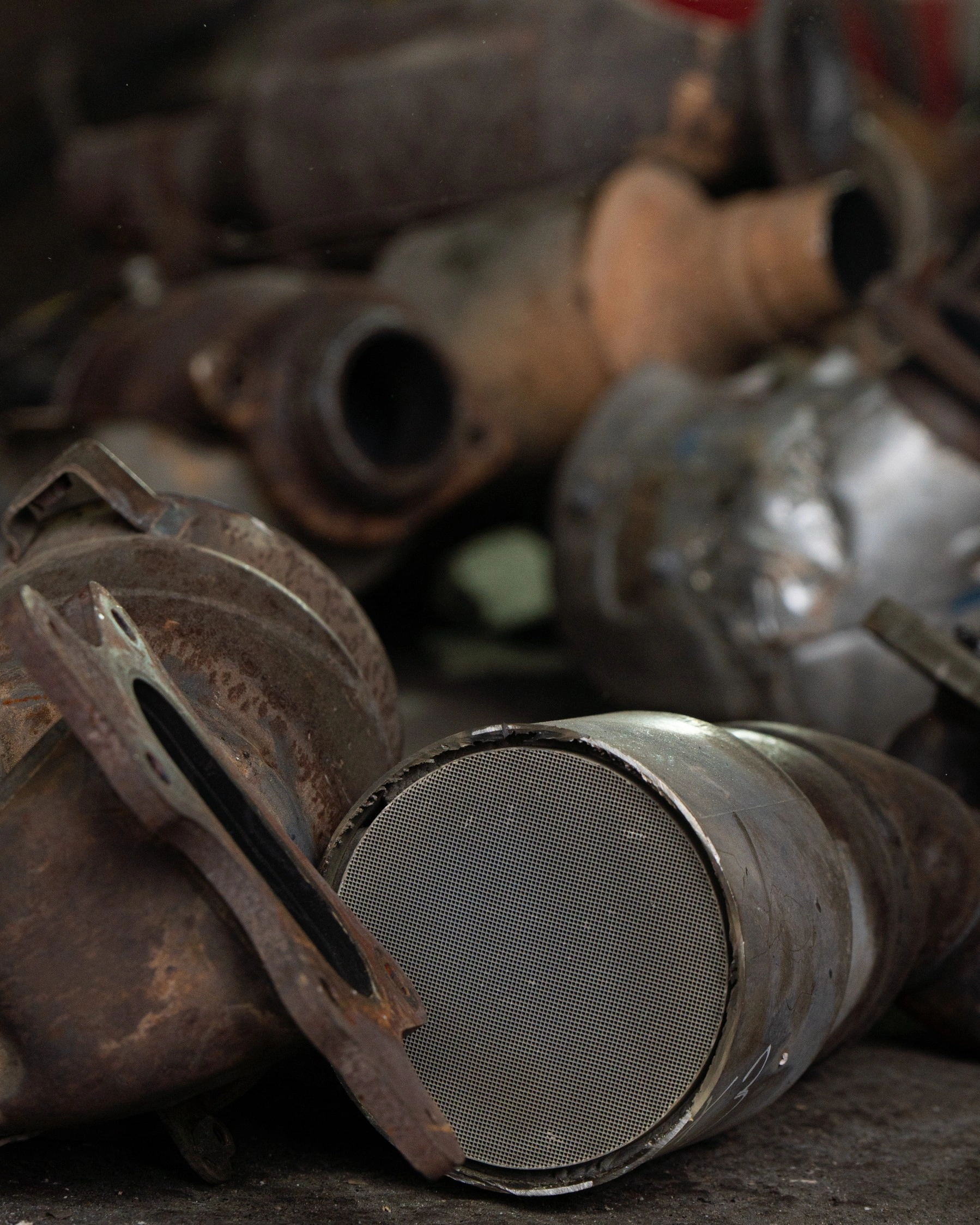
A useful lesson often begins with the question what’s inside a catalytic converter. That question leads students into core topics such as ceramic or metallic substrates, coatings, contamination risks, serial markings, and why some units need specialist assessment before any recycling decision is made.
According to the U.S. Geological Survey, platinum-group metals are important industrial materials. That makes catalytic converters a strong teaching example because students can link emissions control to resource recovery without reducing the subject to scrap talk alone.
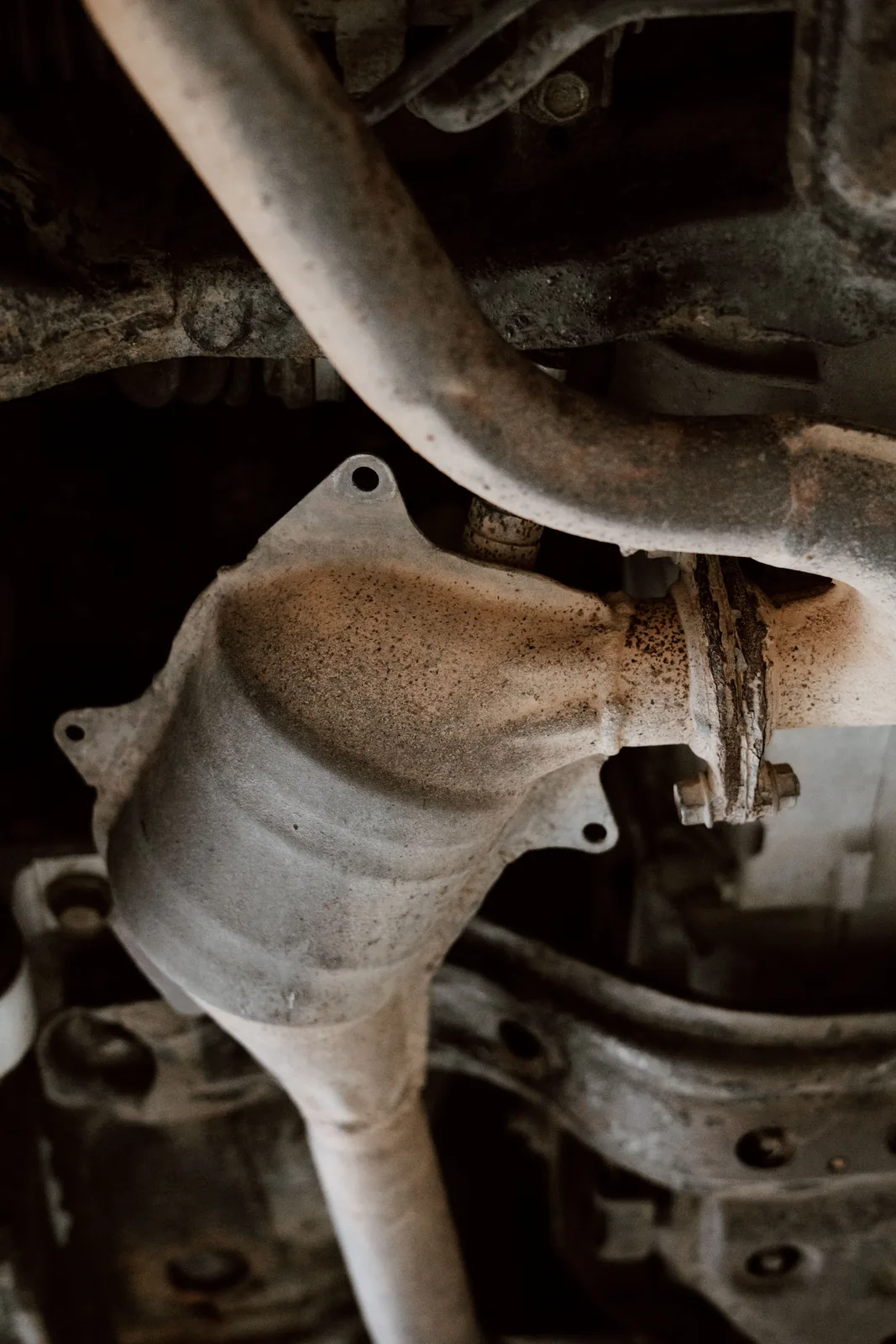
Automotive learners also need to understand where this part sits in the system. The exhaust pipe catalytic converter is not just another metal housing. It is part of the emissions pathway, and its design affects heat exposure, contamination patterns, service removal methods, and inspection steps. That makes it ideal for teaching how mechanical systems, regulations, and material recovery intersect.
Why does this part matter so much?
This part matters because it connects environmental performance with recoverable materials in one visible component. In education, that makes it easier to teach both technical function and responsible end-of-life handling.
When learners study converters, they can move from theory to process very quickly. They can identify the unit, discuss its role in emissions reduction, compare original equipment and replacement parts, and then learn why damaged, removed, or spent units should enter formal channels instead of informal trade. For a broader overview, this guide on why recycling catalytic converters matters adds useful context for classroom discussion.
How do workshops improve learning?
Workshops improve learning because students remember procedures they have actually performed. Handling real parts builds judgment, accuracy, and confidence in ways that slides alone cannot.
Schools that include targeted recycling workshops give learners hands-on experience in dismantling, sorting, tagging, and documenting used components. That practical exposure teaches small but vital habits such as checking part markings, separating mixed materials, recording provenance, and avoiding contamination during storage.
- Read part codes, labels, or serial markings
- Check for cracks, rust, missing pieces, or contamination
- Pause the exercise if identity or condition is unclear
- Separate metals, electronics, and mixed items
- Do not mix verified parts with unverified units
- Add date, source, and hold / inspect / ready status
- Record identifiers, condition, and who handled the item
- Keep intake forms complete and easy to review
- Store parts dry, labelled, and isolated if damaged or suspect
In the automotive field, these details matter. A student who learns inspection discipline in training is better prepared for real workshop routines later. They will know when a part needs further verification, when a unit should be isolated, and why paperwork matters just as much as physical handling.
Visits and demonstrations can also add value. For example, exposure to operations linked with South Group Recycling Johannesburg can help learners see how inspection, sorting, and recovery work in a formal setting. That kind of experience closes the gap between classroom theory and industry practice.
Students should also learn to question search habits. A phrase like catalytic converter buyers near me should lead them to think about verification, legal sourcing, and traceability, not just convenience. In education, that is a powerful lesson about how digital behavior affects compliance in the real world.
Which skills matter most in training?
The most important skills are identification, safe handling, documentation, and valuation literacy. Together, they prepare students to make sound decisions instead of risky assumptions.
Industry players value graduates who understand both the technical and operational sides of recycling. It is not enough to know that a part can be recovered. Learners need to know how to assess condition, record essential details, and route materials through compliant channels.
What should a strong syllabus include?
A strong syllabus should combine theory, workshop practice, compliance basics, and market awareness. It should show students how recycling decisions are made, recorded, and reviewed in real settings.
| Skill area | Why it matters | Example learning task |
|---|---|---|
| Part identification | Students must recognise common converter types, markings, and basic condition issues. | Compare removed units and record visible identifiers. |
| Safe handling | Incorrect storage or rough handling can damage parts and reduce traceability. | Create a storage and intake checklist for used components. |
| Documentation | Records help prove origin, support compliance, and reduce informal leakage. | Complete a mock intake form with source and condition notes. |
| Valuation literacy | Learners should know that a catalytic converter price depends on verified part details, condition, and lawful sourcing rather than guesswork. | Review sample units and explain which data points matter before assessment. |
| Systems thinking | Students need to connect recycling with manufacturing, emissions control, and resource efficiency. | Map the route from vehicle removal to formal recovery. |
Another useful teaching angle is the wider resource story. When students compare recovery with extraction, they understand why circular systems matter. This article on recycling versus mining in South Africa can support that conversation without overcomplicating the lesson.
Why does compliance matter in South Africa?
Compliance matters because used automotive parts can move through both formal and informal channels. Education helps students recognise that lawful sourcing and proper records protect businesses, workers, and the wider industry.
South African learners need more than technical knowledge. They need to understand chain-of-custody, proof of origin, and why suspicious transactions create risk for everyone involved. That is especially important for parts that attract informal trade.
The compliance point is not theoretical. The South African Revenue Service has reported seizures involving illegal catalytic converters, which shows why traceability and lawful handover matter. For educators, this is a clear case study in how engineering practice, ethics, and regulation meet.
In practical terms, students should learn to ask simple questions. Where did the part come from? Who removed it? Was it recorded properly? Is there enough information to pass it into a formal recycling stream? Those habits reduce poor decision-making later in the workplace.
How should learners read pricing data?
Learners should treat pricing data as an assessment tool, not a shortcut. Good training explains the factors behind valuation so students understand process before payout.
Many people jump straight to numbers, but educators should slow that down. A responsible lesson on converter valuation focuses on model identification, original markings, condition, contamination, and whether the unit enters a compliant channel. That helps students understand why two similar-looking parts may not be assessed in the same way.
This is also the right place to discuss market language. Searches for catalytic converter buyers near me or informal quotes can create the false impression that every unit has an obvious, fixed value. In reality, professional evaluation depends on verified information. Students who understand that are less likely to rely on rumours, screenshots, or unverified lists.
Educators can therefore use guides on catalytic converter prices in South Africa as teaching references, not promises. The aim is to show how formal recyclers assess units in context and why transparent, documented evaluation is a better standard than speculation.
How can schools and recyclers work together?
Schools and recyclers work best together when they share practical goals. The strongest partnerships give students safe exposure to real processes while keeping the learning focused on skills, ethics, and traceability.
Effective curriculum design benefits from alliances between educators, workshop trainers, and recycling specialists. Guest talks, site visits, mock intake exercises, and materials-identification sessions all help students see how classroom principles apply in day-to-day operations. This is especially useful for automotive departments that want learners to understand both emissions systems and end-of-life recovery.
Industry partnerships also help colleges stay current. Staff can refine examples, improve workshop tasks, and show how documentation, transport, and material handling work in the field. That keeps learning practical, not abstract.
For students, the long-term benefit is clear. They leave training with a better grasp of recovery systems, lawful handover, and how valuation works in the real world. For businesses, that means new entrants who can think beyond immediate repair work and make smarter choices around reuse, storage, and recycling.
Summary
Recycling education in auto and engineering is no longer a nice extra. It is a practical part of modern technical training. When learners understand lifecycle thinking, material recovery, converter identification, and lawful chain-of-custody, they become more useful professionals from day one.
Catalytic converters are a strong teaching example because they combine emissions control, recoverable materials, and real compliance issues in a single component. That makes them ideal for classroom lessons, workshop exercises, and industry collaboration.
The best programs keep things simple and practical. Teach students how to identify parts, handle them safely, document their origin, and interpret valuation responsibly. Pair that with site exposure and trusted recycling partners, and education starts producing people who can support both the automotive sector and a more circular economy.
FAQ
What is the main goal of recycling education in automotive training?
The main goal is to teach students how vehicles and parts move through a full lifecycle. That includes design, use, removal, recovery, documentation, and responsible recycling.
Why are catalytic converters useful in engineering lessons?
They are useful because one component can teach several ideas at once. Students can learn about emissions control, material recovery, inspection, and legal chain-of-custody through a single real-world part.
What should students record before a used part is handed over?
They should record the source of the part, visible identifiers, condition, and any relevant intake details required by the process. Clear records improve traceability and reduce risk.
Should a training program focus mostly on payout values?
No. A strong program should focus on identification, compliance, safe handling, and how formal assessment works. Valuation makes more sense once those basics are in place.
How do industry partnerships improve classroom learning?
They give students direct exposure to real procedures, real documentation, and real quality standards. That makes lessons more credible and helps learners move from theory to practical competence.